
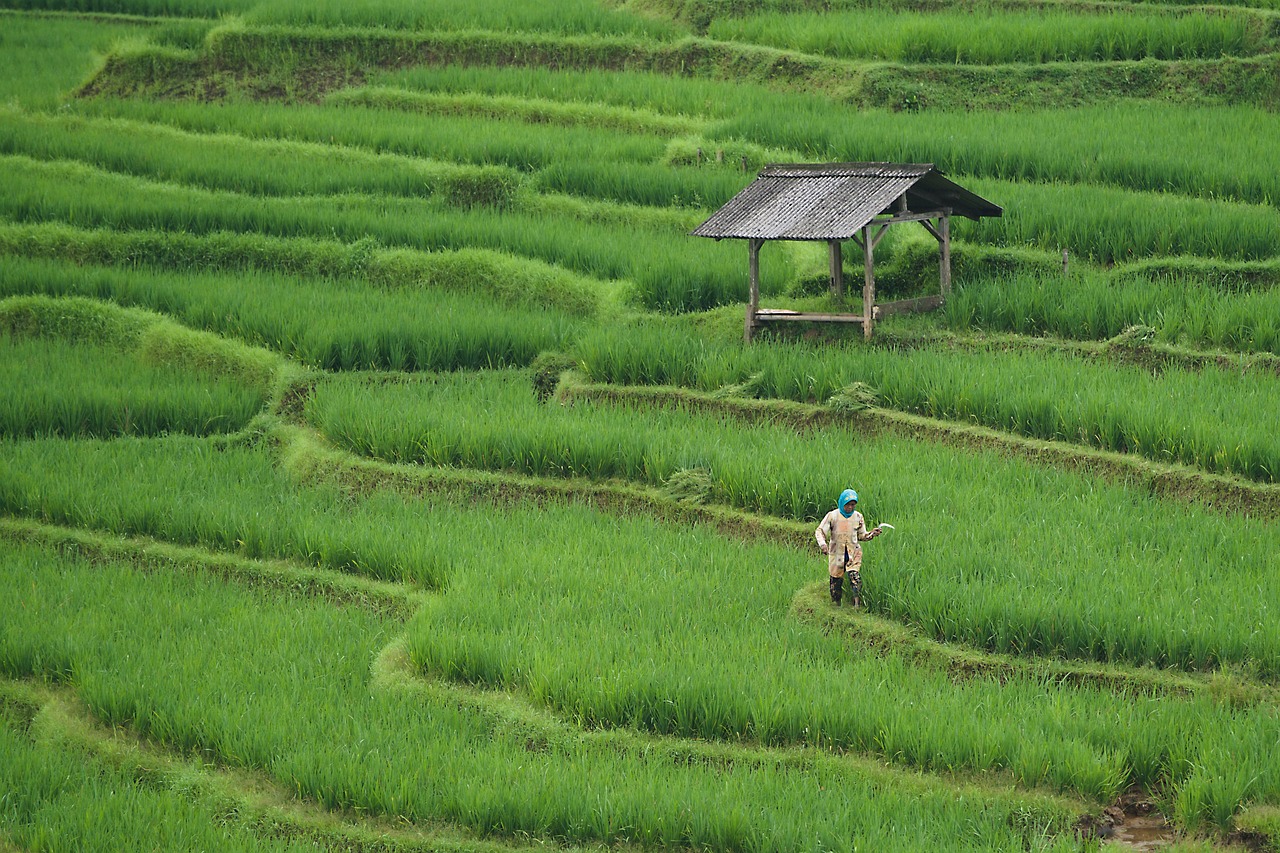
Introduction: Rediscovering Ancient Wisdom
In an era dominated by rapid technological advancements and globalized solutions, the profound insights of Indigenous communities often remain underappreciated. Yet, these communities have cultivated intricate knowledge systems over millennia, offering sustainable practices that address contemporary challenges such as climate change, biodiversity loss, and resource management. Recognizing and integrating Indigenous Knowledge Systems (IKS) is not merely an act of cultural preservation but a strategic imperative for a resilient future.
Understanding Indigenous Knowledge Systems
Indigenous Knowledge Systems encompass the cumulative and dynamic body of knowledge, practices, and beliefs developed by Indigenous communities through generations of interaction with their natural environments. Key characteristics include:
- Oral Transmission: Knowledge is passed down through stories, rituals, and communal activities.
- Holistic Approach: Emphasis on the interconnectedness of ecosystems, spirituality, and community well-being.
- Adaptive Practices: Continuous evolution in response to environmental and social changes.
- Community-Centric: Collective ownership and shared responsibility in knowledge dissemination and application.
Indigenous Knowledge in Sustainable Land Management
Agroforestry and Companion Planting
Indigenous communities have long practiced agroforestry, integrating trees and shrubs with crops to enhance biodiversity, soil fertility, and crop yields. For instance:
- Kuojtakiloyan in Mexico: The Nahua and Totonaku peoples cultivate diverse species like avocados, sweet potatoes, and cinnamon in forested landscapes, promoting ecological balance and food security.
Fire Management Practices
Controlled burning, or “fire-stick farming,” is a traditional method used to manage landscapes:
- Australian Aboriginal Communities: Employ “cool burning” techniques to reduce wildfire risks, promote new growth, and maintain biodiversity.
Water Conservation Techniques
Innovative water management systems have been developed to adapt to varying climatic conditions:
- Rüza in Nagaland, India: The Angami and Chakhesang Naga tribes construct ponds to harvest rainwater, channeling it through gravity-fed systems for irrigation, integrating agriculture with aquaculture and livestock rearing.

Indigenous Knowledge in Climate Change Resilience
Traditional Ecological Knowledge (TEK)
TEK encompasses the understanding of local ecosystems, weather patterns, and resource management:
- Inuit Communities: Utilize deep knowledge of sea ice patterns and animal behaviors to navigate and survive in Arctic environments, contributing to climate monitoring efforts.
Weather Prediction and Phenological Observations
Indigenous communities employ natural indicators for weather forecasting:
- Toda Tribe in Tamil Nadu, India: Predict monsoon rains by observing ant behaviors.
- Jarawa Tribe in the Andaman and Nicobar Islands: Anticipate cyclones by monitoring fish movements.
Climate Adaptation Strategies
Indigenous practices offer adaptive strategies to climate variability:
- Apatani Tribe in Arunachal Pradesh, India: Implement wet rice cultivation combined with fish farming, optimizing land and water use.
Indigenous Contributions to Biodiversity and Ecosystem Management
Forest Conservation and Biodiversity
Indigenous territories often coincide with regions of high biodiversity:
- Amazon Rainforest Tribes: Engage in sustainable practices that preserve vast tracts of rainforest, contributing to global carbon sequestration efforts.
Wildlife Management and Sustainable Harvesting
Traditional practices ensure sustainable use of wildlife resources:
- Anishinaabe Tribes in North America: Follow the “Honorable Harvest” principle, taking only what is needed and ensuring resource regeneration.
Challenges Facing Indigenous Knowledge Systems
Erosion of Indigenous Languages
Language is a vessel for cultural and ecological knowledge:
- UNESCO Reports: At least 40% of the world’s 6,700 languages are at risk of extinction, threatening the loss of invaluable knowledge systems.

Land Displacement and Resource Exploitation
Indigenous communities face threats from external development pressures:
- Colombian Indigenous Groups: The Kogui, Wiwa, Kankuamo, Arhuaco, and Ette Naka face potential extinction due to armed conflicts and territorial encroachments.
Intellectual Property and Knowledge Appropriation
Lack of legal frameworks leads to exploitation of Indigenous knowledge:
- Nagoya Protocol: An international agreement aiming to ensure fair sharing of benefits arising from the utilization of genetic resources and associated traditional knowledge.
Integrating Indigenous Knowledge into Modern Frameworks
Collaborative Research and Policy Development
Incorporating Indigenous perspectives enhances research outcomes:
- Great Bear Rainforest in Canada: Collaboration between Indigenous communities and scientists has led to effective conservation strategies.
Education and Knowledge Exchange
Promoting Indigenous knowledge through education fosters mutual respect:
- Firesticks Alliance in Australia: Facilitates workshops on cultural burning practices, bridging traditional knowledge with contemporary fire management.
Legal Recognition and Rights Protection
Ensuring Indigenous rights is crucial for knowledge preservation:
- UN Declaration on the Rights of Indigenous Peoples: Advocates for the protection of Indigenous cultures, lands, and knowledge systems.
Embracing Indigenous Wisdom for a Sustainable Future
Indigenous Knowledge Systems offer time-tested solutions to some of the most pressing challenges of our time. By recognizing and integrating these systems into modern practices, we not only honor the cultural heritage of Indigenous communities but also pave the way for a more sustainable and resilient world. The silent power of Indigenous knowledge, when acknowledged and respected, can guide humanity towards harmony with nature and a more equitable future.
About The Author


