
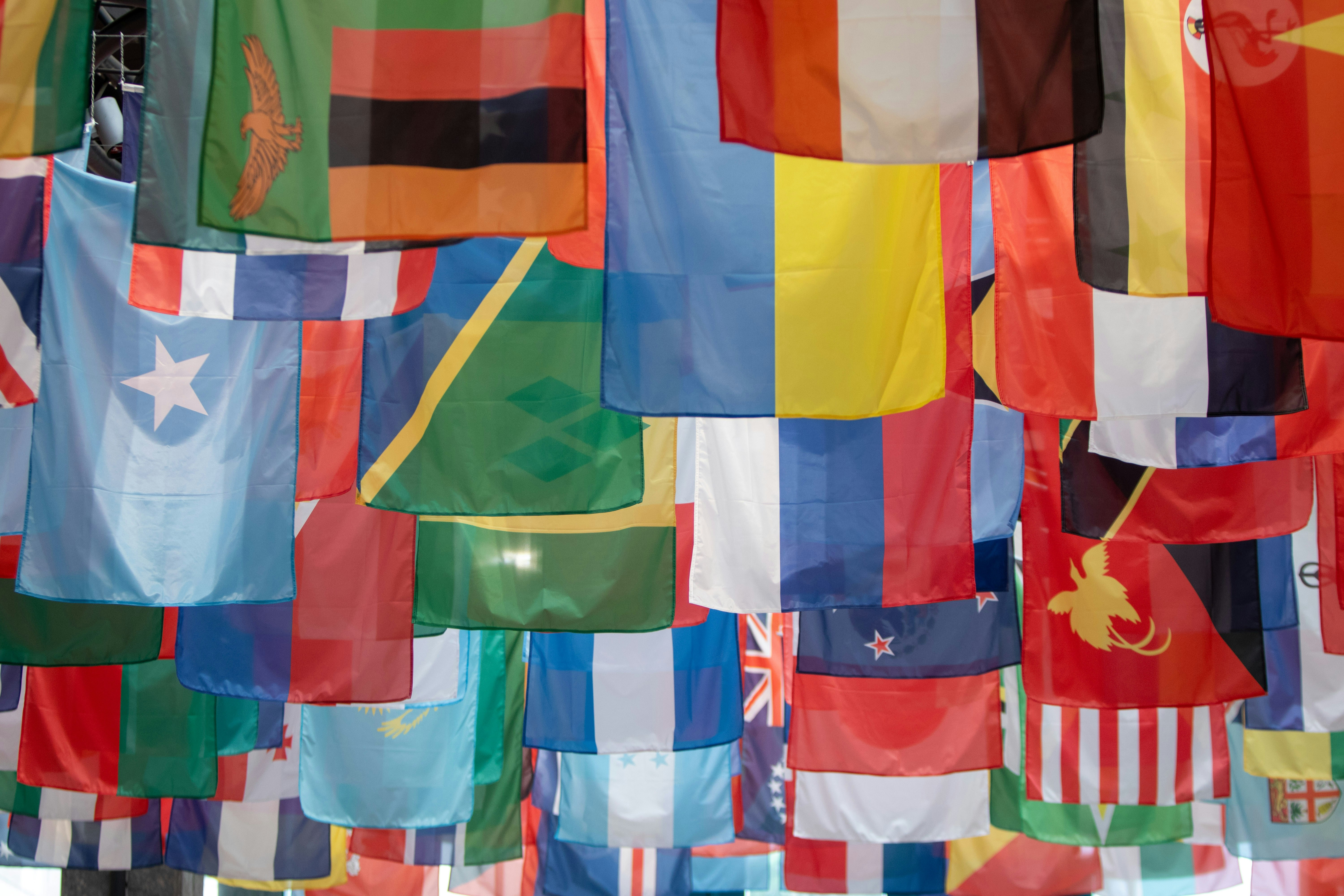

How Globalization is Redefining Cultural Identity Worldwide
In an era where TikTok dances trend across continents and anime conventions pop up in Paris and São Paulo, one thing is clear—culture no longer lives in silos. Globalization has reached deep into our homes, schools, and screens, reshaping what it means to belong. But is this cultural exchange a bridge to understanding or a threat to identity?
What Does Cultural Identity Mean Today?
Cultural identity used to be largely rooted in birthplace, language, religion, and traditional customs. Today, it’s far more fluid. You might see a Nigerian teenager rapping in Korean or an American entrepreneur practicing Japanese Zen calligraphy. These are not anomalies—they’re indicators of a changing world.
Modern cultural identity includes:
- Consumption of global media
- Cross-cultural relationships
- Multilingualism
- Hybrid values
The internet and global markets have amplified exposure to external cultures. But is this growth sustainable without dilution?
Globalization and Its Cultural Reach
Globalization is not just about free trade and international finance. It extends to music, fashion, cuisine, education, and ideologies. As borders open economically, they also soften culturally.
According to Pew Research, more than 60% of adults in emerging economies access the internet regularly, making them part of a global conversation:
https://www.pewresearch.org/global/2019/10/08/internet-use-and-social-media-in-emerging-economies/

Cultural Exports at Scale
- K-pop and Korean Dramas: Once local phenomena, now billion-dollar global exports.
- Hollywood and Netflix Originals: Influence narratives worldwide.
- Anime and Manga: Once niche, now part of global youth identity.
- Fast Fashion: Translates cultural aesthetics into mass-produced trends.
This level of exchange has led to what scholars call “glocalization”—a blend of global influence with local adaptation.
The Risk of Homogenization

While cultural exchange offers access and learning, it also poses risks:
- Dominance of Western norms in education, media, and tech platforms.
- Loss of indigenous languages, some of which disappear every two weeks according to UNESCO.
- Cultural appropriation, where sacred symbols become fashion accessories.
Statista reports that 49.4% of internet content is in English, marginalizing voices that communicate in other languages:
https://www.statista.com/statistics/262946/share-of-the-most-common-languages-on-the-internet/
This digital dominance often pushes smaller cultures into the background.
Hybrid Identities: A New Normal
Cultural identity today is often hybrid, especially among Gen Z. They mix influences from multiple cultures to create something unique.
Examples include:
- Latin American youth blending reggaeton with Afrobeat.
- Indian creators remixing Bollywood with Western pop.
- Arabic influencers fusing modest fashion with high couture.
This does not dilute culture. It redefines it.
Education and Cultural Fluidity
Globalization impacts not just entertainment and consumer behavior, but also education. International curricula, language immersion, and study abroad programs have created a new cultural literacy.
According to the World Bank, student mobility has tripled since 1990:
https://www.worldbank.org/en/topic/health/overview
Students increasingly see themselves as “global citizens” while still maintaining strong national identities. This dual awareness fosters empathy and critical thinking but may also lead to identity conflict.
Diaspora and Cultural Preservation
Immigrant communities play a vital role in preserving cultural identity while adapting to new environments.
Consider:
- Chinatown in New York
- Little India in Singapore
- The Somali communities in Minnesota
These enclaves maintain:
- Native languages
- Religious practices
- Traditional cuisine and fashion
Diasporas balance adaptation with memory. They are evidence that culture travels—but doesn’t disappear.
Social Media: Mirror or Manipulator?
Platforms like Instagram, TikTok, and YouTube offer a stage for every culture, but they also favor viral content, which often flattens nuance.
Positive effects:
- Marginalized groups gain visibility.
- Niche art forms get global traction.
- Cross-cultural friendships form instantly.
Negative effects:
- Trends prioritize aesthetics over meaning.
- Memes mock sacred customs.
- Speed replaces depth.
AlsoAsked.com reveals that people frequently ask, “How has TikTok changed youth culture globally?”—a sign that people are actively exploring this shift:
https://alsoasked.com
National Responses to Cultural Globalization
Some governments have reacted by investing in cultural preservation:
- France mandates radio stations to play at least 40% French music.
- China heavily censors foreign media to maintain ideological control.
- India promotes regional language cinema to counter Bollywood dominance.
These actions are attempts to preserve cultural uniqueness in a borderless digital age.
Globalization’s Two Faces
| Positive Impact | Negative Impact |
|---|---|
| Cultural awareness | Cultural dominance |
| Innovation through diversity | Homogenization |
| Global citizenship | Erosion of local traditions |
| Hybrid art and media | Misrepresentation of cultures |
What the Future Holds
- AI and Translation: Tools like ChatGPT can bridge language barriers, making knowledge accessible—but whose culture does the AI reflect?
- Virtual Reality: As immersive tech grows, cultural experiences will become digital and shared.
- Sustainability Movements: Indigenous wisdom is being recognized in climate talks, bringing forgotten traditions into the mainstream.
According to the United Nations, recognizing cultural diversity is key to sustainable development:
https://www.un.org/en/observances/cultural-diversity-day
Cultural identity is not dissolving—it’s evolving. While globalization brings challenges, it also offers unprecedented opportunity for mutual respect, co-creation, and understanding. What we choose to preserve, share, and change will determine not just the future of culture, but the future of human connection.
About The Author


