
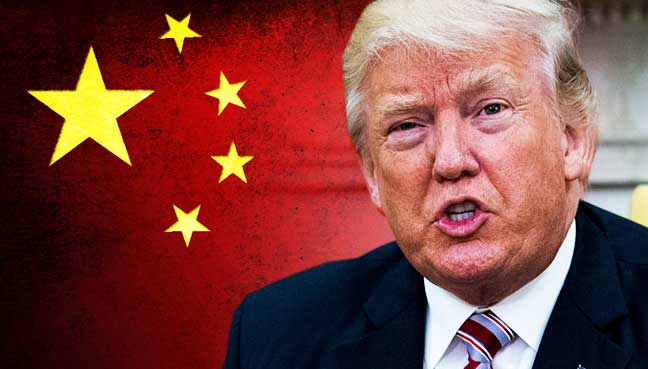
In the unpredictable theater of global economics, leadership transitions in powerhouse nations often serve as seismic events, sending ripples across trade networks, energy markets, and geopolitical dynamics. The return of Donald Trump to the White House in 2025 is no exception. With renewed vigor, the Trump administration has embarked on reshaping U.S.-China relations, sparking a cascade of consequences for the global economy. This article explores the multifaceted impact of Trump’s second term, delving into trade policies, energy strategies, corporate responses, and geopolitical maneuvering, all supported by facts and expert analysis.
Trade Policies: A Renewed Offensive Against China
Central to Trump’s second-term agenda is a recalibration of U.S.-China trade relations. A bipartisan legislative initiative in the U.S. Congress aims to strip China of its Permanent Normal Trade Relations (PNTR) status, reintroducing higher tariffs on Chinese imports. This move, driven by concerns over trade imbalances and the U.S. opioid crisis linked to Chinese-origin fentanyl precursors, signals an intensified economic confrontation.
The economic ramifications of such a policy shift are significant. The reimposition of tariffs could:
- Disrupt supply chains: With over $500 billion in bilateral trade, both nations are deeply entwined in global manufacturing networks. Increased tariffs may force companies to reconfigure supply chains, leading to higher costs for businesses and consumers.
- Escalate inflation: American households could face rising prices for everyday goods, compounding domestic economic challenges.
- Push China toward regional alliances: Beijing may accelerate its “dual circulation” strategy, emphasizing domestic consumption and strengthening trade ties within Asia.
According to analysts, the revocation of PNTR may cost U.S. businesses billions annually while further destabilizing the already fragile global trade system. (Reuters)
Energy Policies: Reclaiming Dominance
The Trump administration has doubled down on its commitment to energy independence, with ambitious plans to outpace China in energy production. Senator Jim Justice of West Virginia recently hailed the administration’s executive actions to expand fossil fuel extraction and domestic rare earth mineral production. These efforts are not just economic but strategic, reducing U.S. dependence on Chinese-dominated supply chains for critical minerals used in renewable energy and technology sectors.
While these policies promise economic growth and job creation, they also invite criticism. Environmental advocates warn of increased carbon emissions and setbacks in global climate goals. Moreover, expanded U.S. energy production could:
- Disrupt global energy markets: Increased U.S. exports may lower oil and gas prices, impacting economies reliant on energy exports, such as Russia and Saudi Arabia.
- Heighten geopolitical tensions: By reducing dependence on adversarial nations for critical resources, the U.S. could shift the balance of power in energy geopolitics.
These policies align with Trump’s broader strategy of economic self-reliance but raise questions about their long-term sustainability. (NY Post)
Corporate Strategies: A Shift Away from China
Heightened U.S.-China tensions are driving American corporations to reevaluate their operations in China. A recent American Chamber of Commerce survey revealed that 30% of U.S. companies operating in China are exploring alternative manufacturing or sourcing locations—double the percentage from 2020.
Industries most affected include technology and research-intensive sectors, which face mounting regulatory scrutiny and intellectual property risks in China. Companies are increasingly diversifying their supply chains by shifting operations to Southeast Asia, India, and Latin America. However, this transition is not without challenges:
- Cost implications: Relocating manufacturing hubs entails significant capital investment and operational delays.
- Regulatory hurdles: Adapting to varying labor laws, tax regimes, and quality standards in new markets is complex.
Despite these challenges, the exodus reflects a broader trend of de-risking from China, driven by both political and economic considerations. (Financial Times)
Geopolitical Considerations: Balancing Carrots and Sticks
President Trump’s rhetoric underscores a strategic use of economic tools to achieve foreign policy objectives. In a recent interview, Trump asserted that his administration could leverage tariffs and economic deals to prevent China from aggressive actions toward Taiwan and deter Iran’s nuclear ambitions. This approach highlights the administration’s belief in economic leverage as a means of achieving geopolitical stability.
However, such strategies carry inherent risks:
- Potential retaliation: China could counter with its own tariffs, restrict rare earth exports, or strengthen its ties with Russia and Iran.
- Regional destabilization: Heightened U.S.-China tensions may strain alliances in Asia, where nations like Japan and South Korea are wary of being caught in the crossfire.
- Uncertain outcomes: While economic pressure may yield concessions, it could also entrench adversarial positions, prolonging conflicts.
Trump’s assertive foreign policy underscores the interplay between economics and geopolitics, with potential ripple effects on global stability. (NY Post)
The Global Economic Outlook: Navigating a New Normal
The renewed Trump administration’s policies are reshaping the global economic landscape, introducing both opportunities and challenges. Key takeaways include:
- Trade fragmentation: Protectionist measures by the U.S. and China’s response may disrupt global trade networks, forcing nations to realign economic partnerships.
- Market volatility: Geopolitical tensions and shifting trade policies are likely to increase uncertainty in global financial markets.
- Innovation opportunities: Companies diversifying supply chains may drive innovation in logistics, automation, and resource efficiency.
Economists caution that the interplay between U.S. and Chinese policies will be critical in determining the trajectory of the global economy. China’s potential countermeasures—such as currency devaluation or increasing regional trade—could exacerbate tensions, necessitating strategic foresight from all stakeholders.
Conclusion
As President Trump’s second term unfolds, its impact on China and the world economy is profound and far-reaching. The administration’s assertive trade policies, ambitious energy goals, and strategic geopolitical maneuvers reflect a complex calculus of economic and political priorities. For businesses, policymakers, and international observers, the next few years will demand adaptability, resilience, and informed decision-making.
The stakes are high. The actions of the U.S. and China in the coming months will not only redefine their bilateral relationship but also set the course for global economic stability and growth. As the world watches, one thing is certain: the new Trump administration is reshaping the global economic order in ways that will resonate for years to come.
About The Author


