
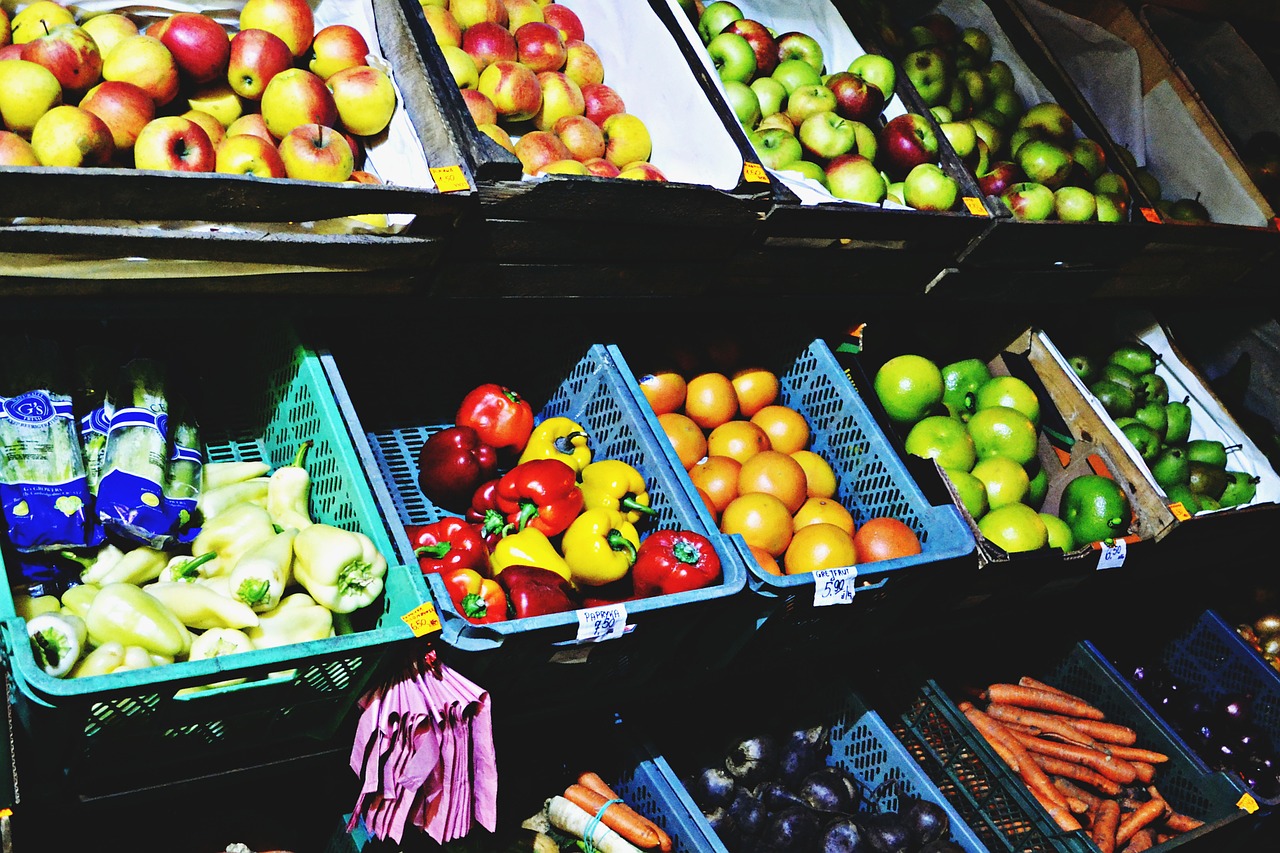
Picture this: you’re standing in the grocery aisle, staring at your receipt and wondering how a week’s worth of food just burned a hole in your budget. If this feels all too familiar, you’re not alone. With inflation impacting food prices globally, saving money on groceries has become more than just a frugal choice—it’s a necessity. But don’t worry; with the right strategies, you can slash your grocery bill without sacrificing quality or nutrition. Let’s dive into actionable tips and real-world insights to help you keep your wallet (and pantry) full.
1. Plan Your Meals Like a Pro
Meal planning is the foundation of cost-effective grocery shopping. Start by:
- Taking Inventory: Before heading to the store, check your pantry, fridge, and freezer to avoid buying items you already have.
- Creating a Weekly Menu: Focus on meals that use overlapping ingredients to reduce waste and save money.
- Using Seasonal Ingredients: Seasonal produce is cheaper and fresher. For example, winter is ideal for root vegetables, while summer offers an abundance of berries and tomatoes.
According to a study by the National Resources Defense Council, the average American family throws away about $1,500 worth of food annually. Meal planning can significantly reduce this waste.
Pro Tip: Apps like Paprika or Mealime can streamline the meal planning process, helping you create shopping lists based on your menu.
2. Shop with a List and Stick to It
Impulse purchases are a budget’s worst enemy. Studies show that unplanned buys account for 20-30% of grocery expenditures. A shopping list keeps you focused and ensures you only buy what you need.
- Prioritize Essentials: Organize your list by categories (produce, dairy, grains) to navigate the store efficiently.
- Avoid Marketing Traps: Items at eye level or end caps are often pricier due to strategic placement by retailers. Look high and low for better deals.
Fact Check: The Food Marketing Institute estimates that shoppers without a list spend 23% more than those who come prepared.
3. Embrace Discount Stores and Private Labels
Discount grocery stores like Aldi, Lidl, or Trader Joe’s offer quality products at a fraction of the cost. Additionally, private label (store-brand) items often match the quality of national brands but are 15-30% cheaper.
- Compare Prices: A 2024 study by Consumer Reports revealed that switching to store brands saves the average shopper $500 annually.
- Try Before You Judge: Many store-brand items are produced by the same manufacturers as name brands, just with different packaging.
Quick Example: Kirkland Signature (Costco’s private label) consistently ranks high in quality while being significantly cheaper than comparable brands.
4. Leverage Coupons, Cash Back, and Loyalty Programs
Gone are the days of clipping coupons from newspapers. Today’s technology makes it easier than ever to save money:
- Digital Coupons: Apps like Coupons.com and RetailMeNot offer instant savings on groceries.
- Cash Back Apps: Use platforms like Ibotta, Fetch Rewards, or Rakuten to earn cash back on everyday purchases.
- Loyalty Programs: Sign up for store loyalty cards to access member-only discounts and promotions.
Example: Ibotta users saved an average of $150 annually in 2023 by redeeming grocery cash back offers.
5. Buy in Bulk (But Smartly)
Buying in bulk can lead to significant savings, especially for non-perishable items. However, this strategy requires careful planning:
- Focus on Staples: Rice, pasta, canned goods, and cleaning supplies are excellent bulk buys.
- Avoid Perishable Overload: Only buy perishable items in bulk if you can freeze or preserve them.
- Membership Savings: Warehouse clubs like Costco or Sam’s Club often offer bulk discounts, but ensure the membership fee aligns with your savings.
Fun Fact: According to The Penny Hoarder, families save an average of $80 per month by shopping at warehouse clubs for bulk items.
6. Shop Seasonally and Locally
Farmers’ markets and community-supported agriculture (CSA) programs are excellent sources of fresh, affordable produce.
- Seasonal Savings: Seasonal produce is cheaper due to lower transportation and storage costs.
- Support Local: Buying locally reduces your carbon footprint and supports small-scale farmers.
Example: In 2024, the USDA reported that consumers saved 20-30% on produce by shopping at farmers’ markets compared to traditional grocery stores.
7. Time Your Shopping Trips
Timing matters when it comes to grocery shopping. Here’s why:
- Midweek Shopping: Stores often restock and run sales midweek, making Tuesday or Wednesday the best days to shop.
- Shop Late: Many stores discount perishable items like bread, meat, and dairy in the evening to avoid waste.
- Follow Sale Cycles: Retailers follow a six- to eight-week sale cycle for most products. Stock up on discounted staples when they hit their lowest price.
Insider Tip: Use the app Flipp to find local store circulars and track sales.
8. Master the Art of Freezing and Preserving
Proper storage can extend the shelf life of your groceries and prevent waste:
- Freeze Wisely: Most fruits, vegetables, and meats freeze well. Label items with the date to avoid freezer burn.
- DIY Preservation: Make jams, pickles, or dried snacks from excess produce.
- Vacuum Sealers: Investing in a vacuum sealer can keep bulk purchases fresh longer.
Statistic: The American Frozen Food Institute found that families who freeze perishables save up to $600 annually by reducing spoilage.
9. Cook at Home and Batch Prep
Eating out is convenient, but it’s costly. Cooking at home is not only healthier but also more budget-friendly:
- Batch Cooking: Prepare meals in bulk and freeze portions for busy days.
- DIY Staples: Make your own bread, sauces, and snacks to save money.
- Leftovers: Get creative with leftovers to minimize waste.
Example: The Bureau of Labor Statistics reported that the average restaurant meal costs $15, while a home-cooked meal costs $4.
10. Avoid Pre-Packaged and Convenience Items
Pre-packaged foods and convenience items come with a premium price tag. Instead:
- Buy Whole: Purchase whole fruits and vegetables instead of pre-cut options.
- Skip Single-Serve: Opt for family-sized snacks and divide them into portions yourself.
- DIY Convenience: Make your own salad kits or smoothie packs at home.
Fact Check: Pre-cut fruits and vegetables can cost up to 40% more than their whole counterparts.
11. Track Your Spending and Adjust
Keep tabs on your grocery spending to identify areas for improvement:
- Budgeting Apps: Use tools like Mint or YNAB to monitor expenses.
- Analyze Receipts: Look for patterns in overspending and adjust accordingly.
- Set Goals: Challenge yourself to reduce your grocery bill by a specific percentage each month.
Example: A 2024 survey by NerdWallet found that families who tracked their grocery expenses reduced overspending by an average of 12%.
12. Be Strategic with Protein Choices
Protein can be one of the most expensive parts of your grocery bill. Save by:
- Choosing Cheaper Cuts: Opt for chicken thighs over breasts or pork shoulder over tenderloin.
- Incorporating Plant-Based Options: Beans, lentils, and tofu are affordable and nutritious protein sources.
- Buying in Bulk: Purchase meat in larger quantities and freeze portions.
Pro Tip: Meatless Mondays are a great way to save money and explore vegetarian recipes.
13. Avoid Food Waste at All Costs
Minimizing food waste is key to maximizing your grocery savings:
- FIFO Rule: Use the “first in, first out” method to consume older items first.
- Portion Control: Cook only what you need to reduce leftovers.
- Creative Cooking: Turn scraps into soups, stews, or compost.
Statistic: The USDA estimates that reducing food waste could save the average family of four $1,500 annually.
14. Use Credit Card Rewards Wisely
Maximize your grocery savings with the right credit card:
- Cash Back Cards: Some cards offer 3-6% cash back on grocery purchases.
- Sign-Up Bonuses: Look for cards with introductory offers for additional savings.
- Avoid Interest: Pay your balance in full to prevent interest charges from negating your rewards.
Example: The Blue Cash Preferred® Card from American Express offers 6% cash back at U.S. supermarkets (up to $6,000 per year in purchases).
15. Stay Informed and Adapt
Grocery prices fluctuate, and staying informed can help you adapt:
- Follow Trends: Monitor food price trends to anticipate cost increases.
- Join Community Groups: Facebook groups or Reddit threads often share local deals and tips.
- Educate Yourself: Learn about food storage, preservation, and cooking techniques to maximize every dollar spent.
Conclusion
Saving money on groceries doesn’t require drastic lifestyle changes; it’s about making informed choices and staying consistent. By planning your meals, shopping smartly, and minimizing waste, you can take control of your grocery budget while enjoying nutritious and delicious meals. Remember, every dollar saved adds up over time—and your efforts today can lead to significant financial relief tomorrow.
Start small, track your progress, and watch your savings grow. Happy shopping!
Sources for Further Reading:
About The Author


