
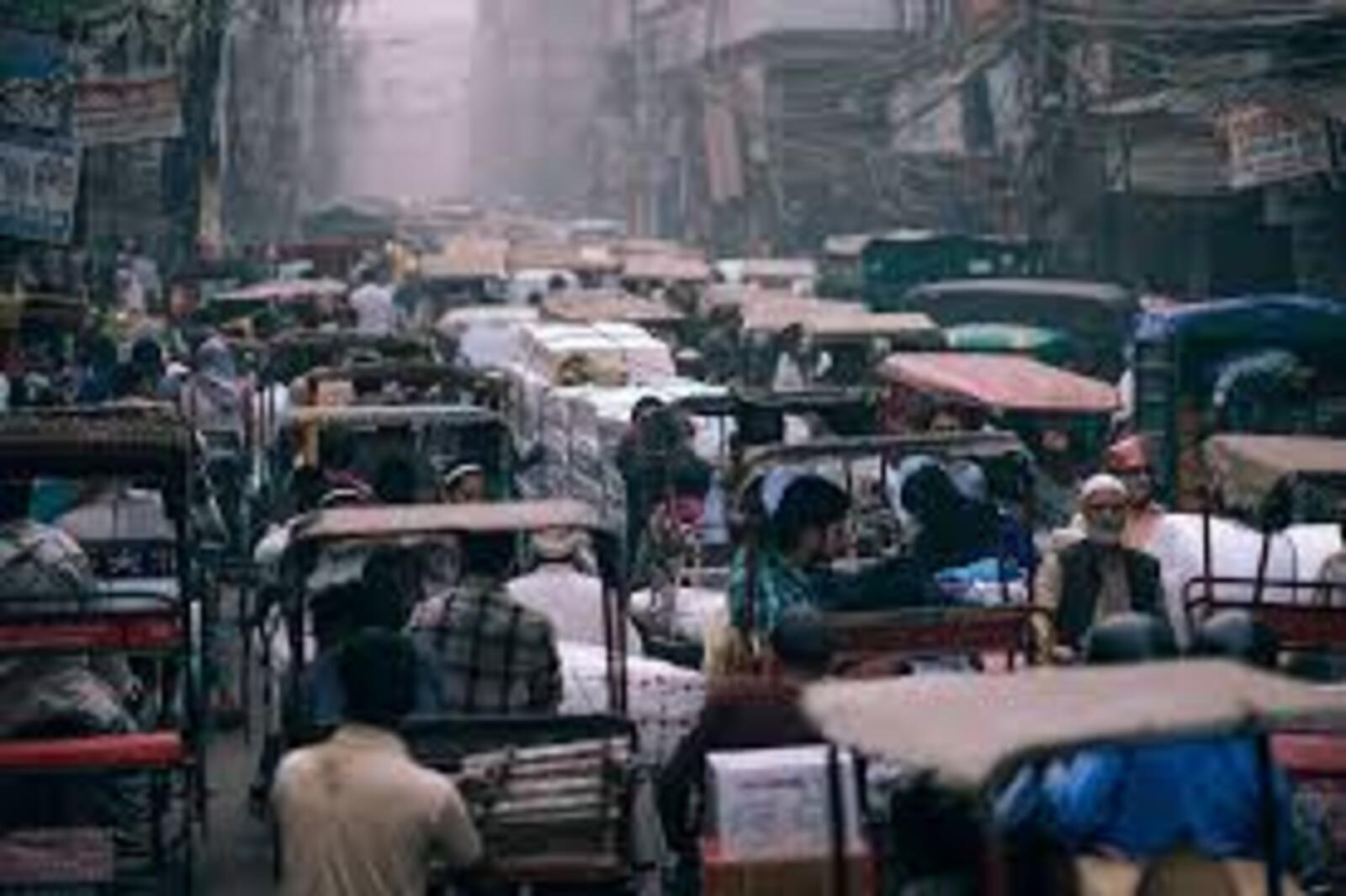
When the sound of an explosion echoed across Old Delhi on the evening of November 10, 2025, the crowd outside the Red Fort froze. Within seconds, smoke filled the sky near the metro station, flames engulfed parked vehicles, and panic replaced the hum of routine traffic. Eight people died, at least twenty were injured, and India’s capital was once again forced to confront a familiar fear — an attack in the heart of its most symbolic heritage zone.
What makes this incident different is not just the location, but the confusion that has followed. Within 24 hours, at least ten distinct narratives began circulating — some grounded in initial investigation, others propelled by social media, and a few deliberately amplified by fringe groups. Each carries political, social, or security implications that touch the life of every citizen.
Below are the ten most discussed and controversial theories surrounding the Red Fort blast — and what each could mean for you.
1. The mechanical malfunction theory
Authorities initially floated the idea of a mechanical failure — perhaps a ruptured CNG tank or short circuit in a parked vehicle. In a city with nearly twelve million registered vehicles, such incidents are not rare. Yet the magnitude of the explosion, which destroyed six cars and three auto-rickshaws, challenges that idea.
For ordinary commuters, this theory underscores the importance of vehicle maintenance and regulatory vigilance. If true, the tragedy highlights how quickly a technical fault can escalate in dense traffic corridors. Expect renewed pressure on city agencies to audit fuel systems, underground parking zones, and emission standards.
2. The planted explosive theory
Soon after, investigators suggested the blast originated from a car loaded with explosives — a classic car-bomb signature. The National Investigation Agency took charge, and sections of the Unlawful Activities (Prevention) Act were invoked.
If proven, this would mark one of the most significant terror-linked incidents in Delhi since 2011. For citizens, it could lead to intensified vehicle screening near monuments, tighter entry zones around metro stations, and broader deployment of automated license-plate surveillance systems. The inconvenience may rise, but so will the security envelope.
3. The suicide-bomber theory
Some eyewitnesses claim to have seen a man enter the car minutes before the explosion. While not confirmed, the detail fueled speculation of a “fidayeen”-style attack inspired by radical groups.
If the suicide-attack angle holds, Delhi’s policing model may shift toward behavior-based surveillance rather than purely physical checks. For the average citizen, that means more cameras with facial-recognition algorithms in public areas and higher scrutiny at heritage and transport hubs.
4. The political-sabotage theory
Every national tragedy in India inevitably collides with politics. Certain opposition figures have alleged the timing — days before the winter session of Parliament — was meant to redirect public attention from rising inflation and unemployment data.
Political sabotage theories can erode trust in institutions if left unchecked. For you, the reader, the danger lies in the politicization of security: when preventive strategy becomes reactive posturing. Staying informed through verified, multi-source journalism becomes your first line of defense against misinformation.
5. The cross-border orchestration theory
Intelligence briefings reportedly mention encrypted chats and digital footprints traced to foreign IP addresses. While no state actor has been named, the insinuation points toward cross-border networks that have previously targeted Delhi.
Such operations, if confirmed, will push India to recalibrate its counter-terror strategy with sharper cyber-intelligence collaboration. It will also justify the expansion of data-sharing frameworks — meaning your online privacy could face greater state scrutiny in the name of national security.
6. The extremist sleeper-cell theory
Several analysts argue that the Red Fort blast reflects the re-emergence of dormant local cells operating under the radar since the 2020 riots. The use of a parked vehicle, low-cost explosives, and the target’s symbolic location all fit the pattern of decentralized radical groups.
For the common man, this implies the threat matrix is no longer limited to high-profile events. Neighborhood vigilance, community policing, and rapid reporting of suspicious storage units or abandoned vehicles could become civic duties, not just official protocols.
7. The security-lapse theory
A major criticism has been the proximity of the blast site to both a metro station and a police picket. CCTV coverage of the zone was extensive, yet no suspicious activity was detected in real time. This suggests either technological blind spots or operational complacency.
If this proves accurate, expect a shake-up in local enforcement structures, retraining initiatives, and possibly a centralized command model for heritage-zone surveillance. For you, it means more security checks, longer commutes, and the normalization of public scanning technology.
8. The digital-manipulation theory
Within hours of the explosion, hundreds of deepfake videos and doctored images circulated online, some claiming responsibility on behalf of obscure groups. The Ministry of Electronics and IT flagged over 400 accounts for misinformation amplification.
Digital manipulation does not merely distort facts; it shapes fear. For citizens, the takeaway is direct: verify before you share. Disinformation campaigns thrive on emotional responses, not evidence. The next phase of counter-terror policy may prioritize digital-forensic monitoring as much as physical policing.
9. The insider-collusion theory
Another emerging angle is the possibility of internal facilitation — someone with knowledge of site routines enabling access. Investigators are reportedly questioning maintenance staff and metro-station contractors.
If insider collusion is proven, systemic reform becomes unavoidable. For the public, this could mean stricter background checks for workers in transport, logistics, and security roles, raising both costs and hiring thresholds in those sectors.
10. The false-flag theory
Among the most polarizing claims circulating online is that the blast was staged or exaggerated to justify expanded surveillance powers. There is no credible evidence supporting this, yet the persistence of the claim shows deep distrust between citizens and institutions.
False-flag narratives flourish when transparency is weak. For the ordinary citizen, the practical response is civic vigilance: demand timely, evidence-based briefings from authorities rather than accepting the loudest social-media speculation.
What All These Theories Point To
Across these ten explanations, a pattern emerges — India’s urban security challenge is no longer about isolated terrorism or random accidents. It is about systemic fragility in surveillance, information control, and civic trust.
The Red Fort blast has already prompted tangible shifts:
-
The Delhi Police have expanded heritage-zone patrol hours and are piloting drone-based monitoring in Chandni Chowk.
-
Metro authorities are re-evaluating parking-lot licensing and installing explosion-resistant trash bins.
-
The Ministry of Home Affairs is forming a joint working group on predictive-risk modeling, using AI to identify clusters of digital chatter linked to violent extremism.
For you, the implications unfold daily — longer commutes, more ID checks, greater data collection. Yet they also highlight how collective security depends on informed citizens. The effectiveness of any preventive system ultimately rests on public participation: spotting anomalies, avoiding rumor-mongering, and pushing for transparent investigations.
The Real Test Ahead
Red Fort has survived centuries of invasion and rebellion. Its walls have witnessed empires rise and fall. But the blast of November 10 is less about bricks and battlements and more about resilience in the information age.
How will Delhi balance safety with liberty? How will institutions rebuild trust in an era when every tragedy becomes a political battlefield? Most importantly, how will you, as a citizen, adapt — not in fear, but in awareness?
The answers will define not only the investigation’s outcome but the shape of urban life in India’s capital for years to come.
References
-
Associated Press – “Explosion near Red Fort in New Delhi kills eight, injures twenty” – https://apnews.com/article/9350a370b80bd5df2da1fd559c527c5c
-
Reuters – “Explosion reported near Red Fort in Indian capital New Delhi” – https://www.reuters.com/world/india/explosion-reported-near-red-fort-indian-capital-new-delhi-television-channels-2025-11-10
-
Al Jazeera – “Delhi Red Fort blast kills 13: What happened as police invoke terror law” – https://www.aljazeera.com/news/2025/11/11/delhi-red-fort-blast-kills-13-what-happened-as-police-invoke-terror-law
-
Wikipedia – “2025 Delhi car explosion” – https://en.wikipedia.org/wiki/2025_Delhi_car_explosion
About The Author


