
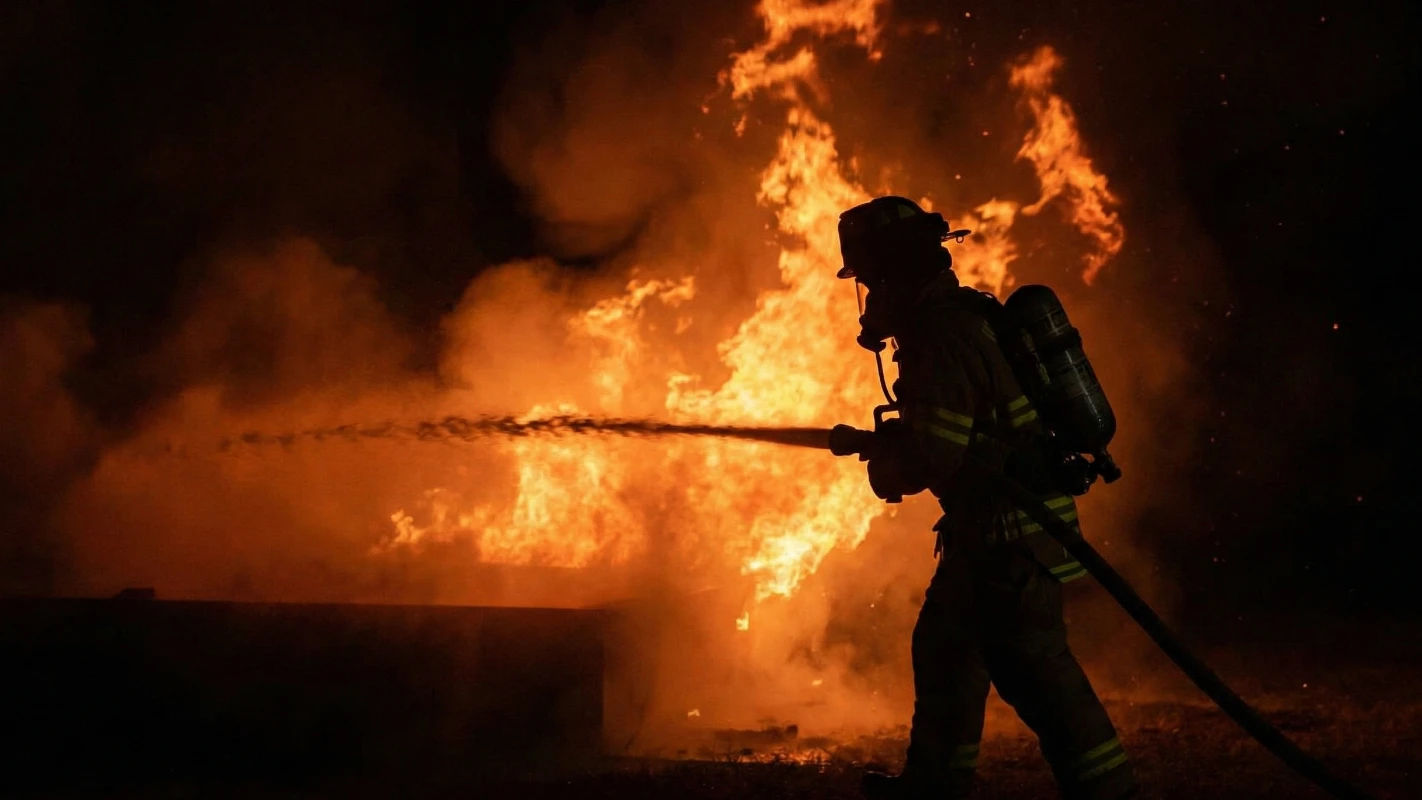
At 1:30 a.m. on New Year’s Day, while most of Europe was still counting down its champagne flutes, emergency lines in southern Switzerland lit up with calls that carried the same message. A popular après-ski venue was on fire. People were trapped. The smoke was overwhelming. Within hours, Switzerland faced one of its deadliest civilian fires in decades, not during war, not during a natural disaster, but during a celebration in a country globally admired for safety, order, and regulation.
If you assume this was an unavoidable freak accident, you are already missing the point. What unfolded at a ski resort nightclub in Crans-Montana exposes uncomfortable truths about crowd management, fire safety enforcement, and how quickly modern leisure spaces can turn lethal when multiple small failures align.
This article walks you through what happened, minute by minute, and why the death toll rose so fast. It also asks a harder question you should care about even if you never ski in Switzerland. Could the same sequence play out in any packed bar, concert hall, or wedding venue near you.
The Night Switzerland Did Not Expect to Turn Deadly
Crans-Montana sits high above the Rhône Valley in Valais, known for luxury chalets, international visitors, and a polished image of Alpine leisure. New Year’s Eve marks peak season. Resorts push capacity. Venues chase atmosphere. Patrons expect celebration without risk.
The venue at the center of this tragedy was hosting a late-night party that drew a dense crowd of locals, seasonal workers, and tourists. By most accounts, the club was packed well past midnight. Music played loud. Lights were low. Alcohol flowed freely.
What followed unfolded in seconds, not minutes.
Swiss authorities later confirmed that a fire ignited inside the venue shortly after 1:30 a.m. Flames spread rapidly across the ceiling area. Thick smoke followed almost immediately. Panic replaced celebration before many people understood what was happening.
By dawn, dozens were dead.
The First Critical Minutes: What We Know So Far
Investigators from Swiss Federal Police and the Valais cantonal authorities ruled out terrorism within hours. Early findings pointed to an accidental fire linked to indoor festivities.
According to reporting by CNN and Swiss media, the fire likely began near decorative elements close to the ceiling. Witnesses described sparklers and celebratory effects used during bottle service. In crowded nightlife settings, these practices are common, accepted, and rarely questioned.
On this night, proximity became fatal.
Once the ceiling materials ignited, heat spread horizontally. This pattern matters. Ceiling fires cut off escape routes visually and physically. Smoke descends fast. Heat builds faster than the human body can tolerate.
People closest to exits survived. People deeper inside faced a wall of smoke within seconds.
Emergency services arrived quickly by mountain standards. Firefighters, paramedics, and helicopters mobilized from across Valais. Speed did not change physics. Smoke inhalation kills faster than flames. Many victims never reached an exit.
Why the Fire Became Uncontrollable So Fast
To understand the death toll, you need to look beyond ignition and focus on escalation. Fires do not kill dozens in modern buildings unless multiple safeguards fail at once.
Combustible Interior Design
Modern hospitality design favors warm aesthetics. Wood panels, acoustic foam, decorative fabrics, and synthetic finishes dominate bars and clubs. These materials ignite easily and release toxic gases when burned.
Investigators noted rapid flame spread across ceiling surfaces. That indicates materials with low fire resistance or compromised fireproofing. Once overhead structures burn, the environment becomes unsurvivable within seconds.
Flashover Conditions
Witness accounts suggest the venue reached flashover rapidly. Flashover occurs when nearly all combustible surfaces ignite simultaneously due to extreme heat buildup. In such conditions, escape becomes almost impossible without immediate access to exits.
You do not outrun flashover. You survive it only by not being there.
Smoke as the Primary Killer
Medical officials in Valais confirmed that most fatalities resulted from smoke inhalation rather than burns. Toxic gases displace oxygen, impair judgment, and cause unconsciousness quickly. Alcohol consumption worsens this effect by slowing reaction time and decision-making.
You may believe you would react faster. In dense smoke, without clear signage or lighting, even trained professionals struggle to navigate.
Crowd Density and Exit Design: A Deadly Combination
Fire safety rules rely on a simple assumption. People can evacuate quickly. That assumption fails when crowd density exceeds design limits.
Reports indicate the venue approached or exceeded its safe capacity. Narrow staircases connected levels. Exit routes converged at choke points.
When panic hits a packed crowd, three things happen almost instantly:
-
People move toward familiar entrances, not emergency exits.
-
Bottlenecks form within seconds.
-
Falls lead to pile-ups that block passage entirely.
Survivors described people collapsing near exits, others climbing over bodies, and some turning back into smoke-filled rooms in confusion. These are not unusual reactions. They are documented patterns in crowd disasters worldwide.
The question is not why people panicked. The question is why the environment allowed panic to become fatal.
Alcohol, Celebration, and Delayed Reaction
New Year’s Eve introduces a variable that safety planning often underestimates. Alcohol.
Alcohol reduces situational awareness. It slows response times. It increases risk-taking. In nightlife venues, it also masks early warning signs like burning smells or minor smoke.
Several survivors told reporters they initially thought the smoke was part of the show. That delay cost lives. Seconds matter when fire spreads overhead.
If you run venues, this matters. If you attend crowded celebrations, it matters more.
Emergency Response: Fast but Overwhelmed
Valais emergency services responded within minutes. Helicopters evacuated the critically injured to hospitals across the region. Temporary triage centers formed near the resort.
Despite rapid mobilization, responders faced severe constraints:
-
Dense smoke limited interior access.
-
Structural instability restricted entry points.
-
Multiple casualties required simultaneous triage.
Switzerland’s emergency infrastructure ranks among Europe’s best. Even so, physics and crowd dynamics outpaced response capacity.
This reality challenges a common belief. Good emergency services reduce harm. They do not erase poor prevention.
Regulatory Compliance Versus Real-World Practice
Swiss building codes rank among Europe’s strictest. Fire exits, occupancy limits, and material standards exist on paper.
The investigation now focuses on a gap you should pay attention to. Compliance at inspection does not guarantee compliance during peak operation.
Questions authorities are examining include:
-
Did the venue exceed licensed capacity during the event?
-
Were decorative elements altered after inspection?
-
Were indoor fireworks or sparklers permitted under existing approvals?
-
Did staff receive adequate evacuation training?
These questions matter because they apply far beyond Switzerland. Every city with nightlife venues faces the same pressures during high-revenue events.
Historical Parallels You Cannot Ignore
This tragedy fits a pattern seen in other high-fatality fires:
-
The Station nightclub fire in Rhode Island killed 100 people in 2003 after indoor pyrotechnics ignited foam insulation.
-
The Colectiv nightclub fire in Bucharest killed 64 in 2015, exposing corruption in safety enforcement.
-
The Kiss nightclub fire in Brazil killed 242 in 2013 due to toxic smoke and blocked exits.
Each case involved celebratory events, combustible interiors, overcrowding, and delayed evacuation. Each prompted promises of reform. Each faded from memory until the next disaster.
You should ask yourself why the pattern keeps repeating.
Accountability and the Legal Path Ahead
Swiss prosecutors have opened a criminal investigation. Venue operators, event organizers, and possibly suppliers of interior materials face scrutiny.
Swiss law allows for criminal liability in cases of negligent homicide if safety violations contributed to deaths. Civil suits from victims’ families will follow.
Accountability matters, not as punishment alone, but as a signal. When consequences fade, shortcuts return.
What This Means for You as a Guest, Organizer, or Operator
You do not need to work in hospitality to learn from this tragedy. You participate in crowded events.
You should ask yourself simple questions when you enter a venue:
-
Can you see at least two clear exits?
-
Does the ceiling contain exposed foam, fabric, or wood near lighting?
-
Are sparklers, flames, or pyrotechnics in use indoors?
-
Does staff appear trained to manage crowds or emergencies?
If you run events, the responsibility multiplies. Revenue pressure never justifies reduced safety margins. Capacity limits exist for reasons written in blood, not bureaucracy.
The Hard Truth Behind the Death Toll
People did not die in Crans-Montana because Switzerland lacks rules. They died because rules met reality and lost.
Small decisions stacked on top of each other. Decorative choices. Event practices. Crowd size. Alcohol consumption. Exit design. Each alone might not kill. Together, they did.
The most uncomfortable lesson is this. The tragedy was not unpredictable. It followed a script written many times before.
If you want this to be the last such story you read, awareness cannot stop at headlines. It must shape how venues operate and how you choose where to celebrate.
References
CNN: Switzerland ski resort fire live updates
https://edition.cnn.com/world/live-news/switzerland-ski-resort-fire-live-intl-hnk
Swissinfo: Deadly fire at Crans-Montana resort prompts investigation
https://www.swissinfo.ch/eng/swiss-politics/deadly-fire-crans-montana-investigation/49063042
BBC News: Switzerland nightclub fire kills dozens at ski resort
https://www.bbc.com/news/world-europe-switzerland-ski-resort-fire
Reuters: Dozens dead after fire at Swiss ski resort venue
https://www.reuters.com/world/europe/fire-swiss-ski-resort-deaths-investigation
About The Author


