
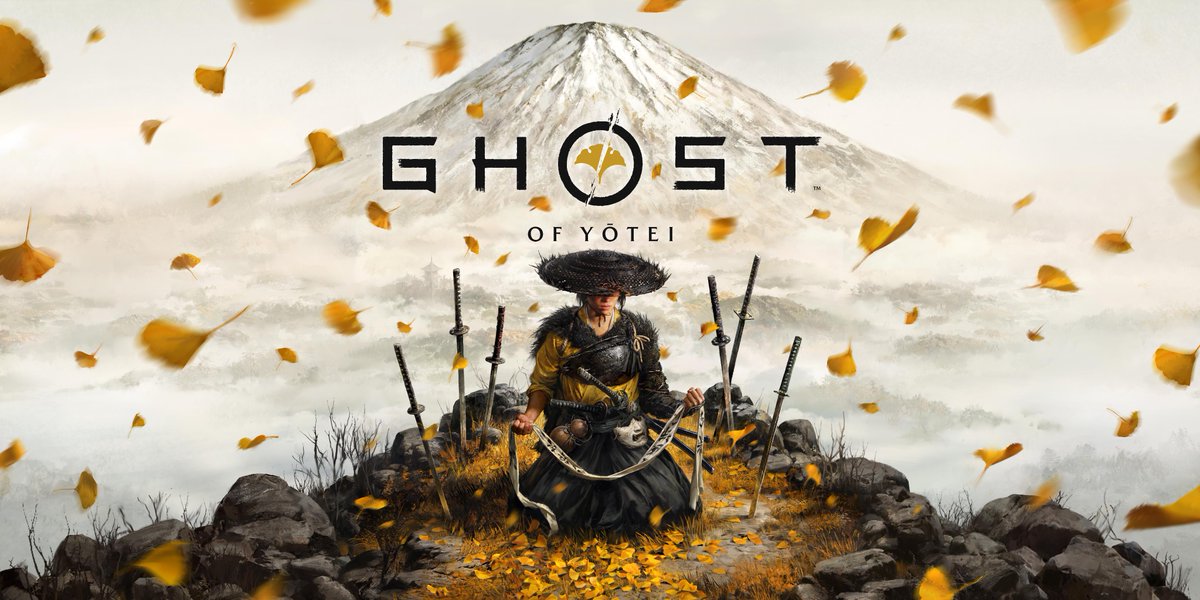
The gaming industry rarely pauses for a single reveal. Yet every once in a while, a title surfaces that compels players, analysts, and competitors alike to stop and pay attention. Ghost of Yōtei, the upcoming action-adventure game from Sucker Punch Productions, has managed exactly that. Announced with cinematic trailers, gameplay showcases, and a viral social media challenge, this project carries the dual weight of fan expectation and corporate strategy. It is not just a sequel in spirit to Ghost of Tsushima; it is Sony’s biggest fall 2025 bet on the power of exclusivity, cultural resonance, and community engagement.
If you play games, cover them, or study the economics behind them, the announcement of Ghost of Yōtei is more than entertainment news. It is a case study in how AAA studios cultivate hype, manage budgets, and balance authenticity with spectacle. The details matter, but the implications matter more.
The Facts Anchoring the Conversation
Every industry analysis begins with the baseline. These are the non-negotiables: the details that frame how you should interpret everything else.
- Developer and Publisher: Sucker Punch Productions is at the helm once again, with Sony Interactive Entertainment as the publisher. The pedigree alone guarantees a baseline of attention.
- Release Date: October 2, 2025. Positioned perfectly for the holiday season and locked as a PlayStation 5 exclusive.
- Setting: The year is 1603. Instead of the Mongol invasions of Tsushima, the story moves north to Hokkaidō, around the imposing Mount Yōtei.
- Protagonist: Players take control of Atsu, a mercenary driven by vengeance after his family is murdered by a shadowy group known as the Yōtei Six.
- Antagonists: The Yōtei Six are no generic foes. Each comes with an identity and mythology — Snake, Oni, Kitsune, Spider, Dragon — under the command of Lord Saitō.
- Narrative Arc: Revenge is the starting point, not the endgame. Developers suggest the story will expand into broader themes of survival, loyalty, and cultural transformation.
- Gameplay Mechanics:
- Weapon variety: katana (including dual wielding), ōdachi, yari, kusarigama, and early firearms like the tanegashima.
- Traversal: grappling hooks (kaginawa) allow vertical exploration.
- Environmental realism: snow, auroras, and weather that alters both visuals and combat dynamics.
- Cinematic immersion: Kurosawa Mode returns, joined by new filters inspired by directors Takashi Miike and Shinichirō Watanabe.
- Multiplayer: Legends mode launches in 2026 as a free update. Expect co-op missions and survival scenarios for two to four players.
- Cultural Grounding: Sucker Punch consulted with Ainu representatives and recorded natural sounds in Hokkaidō to increase authenticity.
With this framework, the announcement becomes less of a teaser and more of a strategic statement.
The Hype Engine in Motion
A game can be technically sound and narratively ambitious yet still struggle if it fails to capture attention. Sony and Sucker Punch know this. Their marketing playbook demonstrates an acute awareness of how modern players consume hype.
The Viral Challenge
The Ghost of Yōtei rollout has already introduced #ヨウテイ竹稽古チャレンジ — the “Yōtei bamboo training challenge.” Fans film themselves performing stylized bamboo strike drills, echoing the in-game mechanic. It is both a community event and a cultural gesture.
Why does this matter? Because it turns players into marketers. A well-designed challenge:
- Extends reach into TikTok, Instagram, and Twitter/X.
- Creates authentic fan-generated content.
- Builds emotional resonance by connecting physical action to digital anticipation.
Challenges like this can fizzle if they feel forced. Early traction suggests this one has legs because it feels grounded in samurai practice, not a gimmick invented in a boardroom.
The Trailer Cadence
The reveal strategy follows a classic drip cycle:
- Initial announcement in September 2024.
- Release date trailer in April 2025.
- Gameplay deep dive during Sony’s July State of Play.
- Multiplayer reveal at Gamescom in August 2025.
Each beat added something tangible — visuals, mechanics, features — without exhausting curiosity. Compare this to franchises that overexpose themselves before launch. By pacing announcements, Sucker Punch sustains momentum.
The Risk of Overheating
Hype is a double-edged sword. Every new trailer raises the bar. Every viral campaign increases expectations. If performance, gameplay depth, or story coherence fails to match the buildup, backlash will be swift.
As a player, you should ask: how much of the footage represents real gameplay? As an industry analyst, you should ask: how sustainable is the hype curve, and what happens if the curve drops after launch?
Why This Game Matters Strategically
The announcement is not just about fans getting a new title. It signals shifts in how Sony and Sucker Punch intend to operate.
Recasting the Franchise
Ghost of Tsushima sold over 13 million copies. It could have been tempting to extend Jin Sakai’s story indefinitely. Instead, Sucker Punch redefined the brand. “Ghost” is no longer tied to one protagonist or one era. It is a thematic universe.
This allows creative reinvention. Atsu is not Jin, and Mount Yōtei is not Tsushima. The studio gains freedom to experiment while still leveraging brand equity.
PlayStation’s Exclusive Strategy
Sony has fewer flagship exclusives this generation. That makes each one critical to console identity. By locking Ghost of Yōtei to the PS5 — at least at launch — Sony signals a continued belief in the power of exclusivity to drive hardware sales and subscription engagement.
This contrasts with Microsoft’s strategy of cross-platform Game Pass availability. Sony is betting that scarcity, not ubiquity, wins loyalty.
Budget Discipline in a Bloated Market
Recent AAA projects ballooned past $200 million in development and marketing. Reports suggest Ghost of Yōtei is more contained, focusing on polish and depth rather than unchecked scale. If this strategy pays off, it could provide a model for sustainable blockbuster development.
Studios and investors are watching closely. The question: can Yōtei deliver AAA spectacle without AAA excess?
Extending Longevity with Multiplayer
The promise of a free Legends mode in 2026 signals long-tail thinking. Single-player epics often struggle with retention after the first six months. A cooperative survival mode extends engagement, provides fresh content streams, and helps Sony maintain recurring player interest.
The Pressure Points
Every ambitious project has weak spots. These are the areas to watch.
- Combat Depth: Will dual wielding and expanded weapon variety feel meaningful, or like cosmetic add-ons? Gamers are quick to punish shallow systems.
- AI Intelligence: Enemy scaling and responsiveness determine whether combat feels immersive or repetitive.
- Cinematic Modes: Kurosawa filters worked in Tsushima because they amplified atmosphere. If Miike and Watanabe modes feel like gimmicks, they could backfire.
- Side Content Quality: Open worlds often stumble with filler quests. If secondary missions lack depth, critics will notice.
- Cultural Sensitivity: The inclusion of Ainu themes is significant. Execution must be respectful and accurate, or risk cultural backlash.
- Performance Standards: Trailers promised visual grandeur. If launch day performance dips — frame drops, bugs, rendering issues — trust will erode fast.
These aren’t abstract risks. They have precedent in past AAA launches that faltered despite hype.
Lessons for Players, Analysts, and Marketers
Whether you are planning to buy the game, review it, or study its commercial arc, the announcement of Ghost of Yōtei offers practical lessons.
- Track Reveal Timing: Marketing cadence tells you how confident a studio is. Sony’s steady rhythm indicates confidence without desperation.
- Benchmark Against Predecessors: Measure improvements not only against promises but against Ghost of Tsushima’s actual systems. That sets a realistic yardstick.
- Observe Community Trends: Fan art, memes, and speculative threads often highlight the features players care most about. Studios sometimes adjust post-launch support based on this feedback.
- Prioritize Early Performance Reviews: When hands-on previews arrive, focus less on scripted sequences and more on unpolished segments. That reveals the truth of design quality.
- Monitor Cross-Cultural Reception: The response from Japanese and Ainu communities will shape global perception. Authentic praise or criticism will ripple internationally.
- Evaluate Long-Term Roadmaps: Multiplayer updates, DLC promises, and patch cadence determine whether a game sustains relevance beyond its opening month.
Questions Worth Asking
To think critically about Ghost of Yōtei, consider these questions:
- What design risks did Sucker Punch avoid by moving away from Jin Sakai’s arc, and what risks did they introduce by starting fresh?
- Will the #ヨウテイ竹稽古チャレンジ sustain cultural traction or fade as a novelty?
- How will Sony measure success: units sold, PS5 hardware boosts, or player retention through multiplayer engagement?
- If budget discipline was central, what corners were cut — and will players notice?
- Could the “Ghost” franchise evolve into an anthology series across Japanese history, similar to how Assassin’s Creed spans civilizations?
These questions frame Ghost of Yōtei not just as entertainment but as strategy.
Final Perspective
The announcement of Ghost of Yōtei reflects the maturity of a studio confident in its brand, the urgency of a publisher needing exclusive hits, and the hunger of a community eager for the next authentic samurai epic.
It is easy to dismiss hype as noise. Yet if you step back, this project illustrates the modern AAA equation: cultural authenticity, disciplined budgets, exclusive positioning, and community-driven hype. Each component is deliberate.
For gamers, the lesson is to temper anticipation with scrutiny. For marketers, the lesson is to design campaigns that empower communities rather than dictate to them. For analysts, the lesson is to treat every announcement as both art and signal in a $200 billion global industry.
When October arrives, we will find out if Ghost of Yōtei is a defining chapter for PlayStation 5 or another case study in the dangers of expectation inflation. Until then, the industry watches, players speculate, and the hype machine rolls forward.
References
- Ghost of Yōtei — Wikipedia: https://en.wikipedia.org/wiki/Ghost_of_Y%C5%8Dtei
- PlayStation Blog: Ghost of Yōtei Release Announcement: https://blog.playstation.com/2025/04/23/ghost-of-yotei-comes-to-playstation-5-on-october-2/
- Ghost of Yōtei at State of Play (July 2025) — CBR: https://www.cbr.com/ghost-of-yotei-state-of-play-july-2025/
- TechRadar — Legends Multiplayer Mode: https://www.techradar.com/gaming/latest-ghost-of-yotei-trailer-confirms-a-free-legends-multiplayer-mode-will-arrive-next-year
- GamesRadar — Development Philosophy: https://www.gamesradar.com/games/open-world/ghost-of-yotei-devs-say-they-werent-aiming-to-make-their-tsushima-sequel-longer-but-improve-its-sense-of-grandness-and-scale/
- The Verge — PS5 Release Coverage: https://www.theverge.com/news/654227/ghost-of-yotei-ps5-release-date-trailer
- Tom’s Guide — Early Review Discussion: https://www.tomsguide.com/gaming/ghost-of-yotei-review
- Ghost of Tsushima Sales Figures: https://en.wikipedia.org/wiki/Ghost_of_Tsushima
About The Author


