In the 21st century, climate change has moved beyond being a purely environmental challenge to becoming a core geopolitical issue. Rising global temperatures, extreme weather, and energy transitions are reshaping not just ecosystems but also global power dynamics. Nations now recognize that climate action is a strategic tool, shaping alliances, trade relations, security frameworks, and global influence.
From the European Union’s Green Deal to China’s renewable energy investments and the U.S. Inflation Reduction Act, major powers are using climate policy to assert economic leadership, secure resources, and redefine geopolitical influence. At the same time, vulnerable countries in Africa, Asia, and the Pacific are leveraging their climate vulnerability to demand financing and reshape negotiations.
This article explores how climate action has evolved into a geopolitical strategy, the tools states use, and the implications for the emerging global order.
The Rise of Climate Action in Geopolitics
1. Climate as a Security Issue
- The UN Security Council has debated climate change as a threat multiplier, fueling conflicts over water, food, and migration.
- Countries facing desertification, droughts, and rising seas are pressuring global powers to act, making climate diplomacy part of security strategy.
- The impacts of climate change are disproportionately affecting vulnerable populations, leading to increased humanitarian crises.
- Climate-related disasters are contributing to national security threats as states struggle to maintain stability.
- Rising global temperatures are exacerbating existing geopolitical tensions, particularly in resource-rich regions.

2. Climate and National Competitiveness
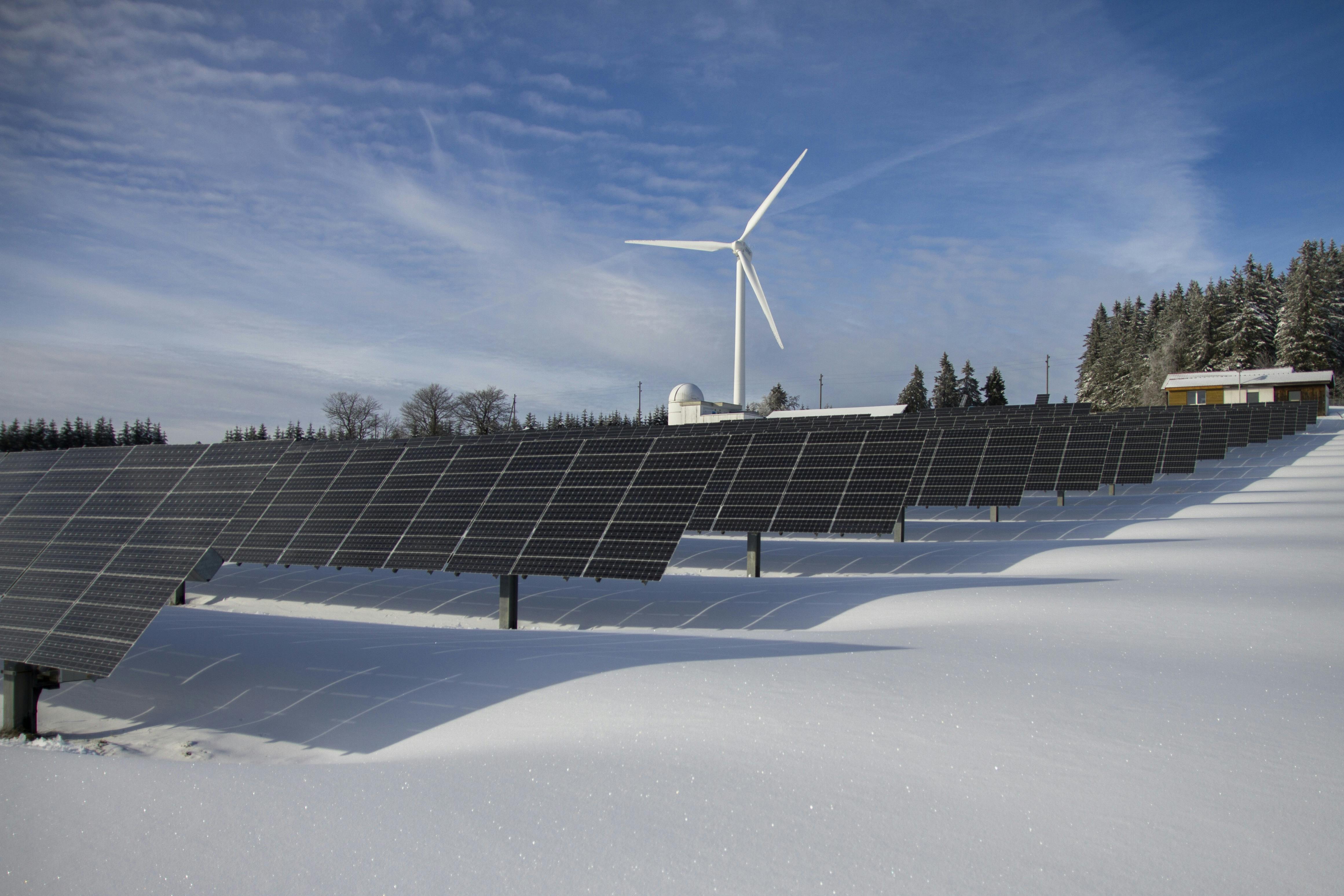
- Transitioning to renewable energy and low-carbon industries is not only about sustainability—it is about controlling the industries of the future.
- Nations leading in solar, wind, batteries, and green hydrogen gain economic and strategic leverage.
- Investment in renewable technology creates new jobs and opportunities.
- Shifting to sustainable practices can lower operational costs in the long run.
- Countries focused on clean energy can reduce reliance on imported fossil fuels.
- Technological advancements in energy storage enhance grid stability and efficiency.
- Promoting green industries contributes to national security by mitigating climate-related risks.
3. From Cooperation to Competition
- Initially, climate policy centered on global cooperation under frameworks like the Kyoto Protocol and Paris Agreement.
- Today, competition dominates: countries view green technology leadership as central to global power, much like space or nuclear technology during the Cold War.
- The transition towards renewable energy sources is reshaping international trade relationships.
- Nations now prioritize energy independence as a security strategy against geopolitical risks.
- Emerging economies are rapidly investing in clean tech to enhance their economic competitiveness.
- Climate-related innovations are becoming major drivers of job creation in various sectors.
- International collaborations are evolving towards technology sharing and bilateral agreements focusing on sustainability.
Tools of Climate Geopolitics
1. Carbon Border Adjustment Mechanisms (CBAMs)
- The EU’s CBAM introduces tariffs on imports from carbon-intensive industries, forcing global producers to align with EU standards.
- This policy doubles as climate action and trade protection, reshaping supply chains.
- It incentivizes sustainable practices among exporters to the EU.
- The regulation aims to prevent carbon leakage, ensuring that emissions reductions in the EU are not undermined.
- Companies may face increased compliance costs due to the need for carbon accounting.
- The policy encourages innovation in low-carbon technologies within industries.
- It aligns with the EU’s broader Green Deal objectives for climate neutrality by 2050.
2. Green Technology Dominance
- China dominates global solar panel and battery production, giving it leverage over the renewable energy supply chain.
- The U.S. is investing heavily in clean tech innovation through subsidies and tax incentives.
- Control of rare earths and critical minerals (often sourced from Africa) is now a geopolitical flashpoint.
- European countries are pursuing aggressive policies to reduce dependency on fossil fuels.
- Emerging economies are increasingly exploring renewable energy sources to meet growing demands.
- Global competition for technological advancements in electric vehicles is rapidly intensifying.
- Climate change agreements foster international collaboration on environmental technology.

3. Climate Finance and Aid
- Wealthy nations pledge billions in climate financing to developing countries, strengthening alliances and soft power.
- However, unfulfilled promises spark tensions, especially between the Global North and South.
- The lack of accountability in funding distribution leads to further disputes over climate justice.
- Developing nations seek greater transparency in financial commitments to ensure effective resource use.
- Environmental organizations call for increased pressure on wealthy nations to meet their pledges.
- Political instability in recipient countries complicates the implementation of climate initiatives.
- Many wealthy nations emphasize adaptation strategies over mitigation efforts, causing discontent among developing nations.
- Innovative financing mechanisms are explored to bridge the funding gap for climate action.
4. Energy Transition Diplomacy
- Oil and gas exporters like Saudi Arabia, UAE, and Russia are repositioning as energy-transition players, investing in hydrogen and carbon capture.
- These shifts aim to preserve geopolitical relevance as fossil fuel demand declines.
- Countries are exploring renewable energy sources to diversify their energy portfolios.
- Investment in clean energy technologies is expected to create new job opportunities.
- Governments are setting ambitious targets for reducing carbon emissions.
- International collaborations are forming to develop sustainable energy initiatives.
- There is a growing public and investor demand for corporate sustainability commitments.
Case Studies in Climate Geopolitics
1. European Union: The Green Deal as Strategy
- The EU frames itself as a climate leader, embedding green standards into trade, finance, and diplomacy.
- By setting regulatory benchmarks, it exports its climate standards globally—often referred to as the Brussels Effect.
- It invests heavily in renewable energy technologies to reduce dependence on fossil fuels.
- The EU encourages member states to adopt ambitious climate targets through various funding mechanisms.
- It promotes sustainable agriculture practices to mitigate environmental impact and enhance food security.
- The EU collaborates with international partners to address climate change on a global scale.
- It implements strict emissions regulations for industries to drive innovation in green technology.
- The EU prioritizes the transition to a circular economy to minimize waste and promote resource efficiency.
2. United States: Competing With China
- The U.S. Inflation Reduction Act (IRA) allocates hundreds of billions for clean energy.
- This not only accelerates decarbonization but also counters China’s dominance in EVs, solar, and critical minerals.
- The act incentivizes renewable energy projects and enhances energy efficiency.
- It promotes the development of domestic supply chains for critical minerals and batteries.
- The legislation supports research and development in clean technology.
- It aims to create millions of jobs in the clean energy sector.
- The IRA includes tax credits for consumers to purchase electric vehicles and energy-efficient appliances.
3. China: Renewable Superpower
- China leads in solar panels, wind turbines, and electric vehicles, supplying much of the world.
- It uses climate leadership to strengthen its Belt and Road Initiative (BRI), pushing green infrastructure investments abroad.
- The country invests heavily in renewable energy research and development.
- China has set ambitious goals for carbon neutrality by 2060.
- It is the largest investor in clean energy globally.
- The growth of electric vehicles in China has spurred advancements in battery technology.
- Chinese companies dominate the global market for solar panel manufacturing.
4. Small Island States: Climate as Leverage
- Vulnerable nations in the Pacific and Indian Ocean use their moral authority to demand climate justice.
- By forming coalitions, they push for stronger climate commitments at COP summits, amplifying their geopolitical voice.
- They highlight the disproportionate impact of climate change on their communities and ecosystems.
- Engaging in international advocacy, they seek financial support for climate adaptation and resilience.
- They promote awareness of their challenges through media campaigns and public speeches.
- Lobbying for the inclusion of indigenous voices in climate discussions, they emphasize traditional ecological knowledge.
- They aim to influence policies that prioritize renewable energy solutions to combat climate change.
- By collaborating with non-governmental organizations, they strengthen their advocacy efforts on a global scale.
Strategic Dimensions of Climate Action
1. Trade and Supply Chains
- Climate standards are reshaping global trade flows. Countries that fail to green their industries risk losing access to key markets.
- Renewable energy supply chains (solar panels, EV batteries) are now as strategically important as oil was in the 20th century.
- Governments are incentivizing investments in green technologies to compete in the evolving market landscape.
- Consumers are increasingly prioritizing sustainable products, forcing companies to adapt their supply chains.
- International agreements, like the Paris Accord, influence national policies towards renewable energy adoption.
- The transition to electric vehicles is accelerating, significantly impacting oil demand and reshaping geopolitics.
- Innovation in clean tech continues to drive economic growth, presenting new opportunities and challenges for traditional industries.
2. Geopolitics of Critical Minerals
- Lithium, cobalt, nickel, and rare earths are essential for the green transition.
- Africa (DRC, Zambia), South America (Chile, Argentina), and Australia are becoming central players in new resource competition.
- The demand for these resources is driven by electric vehicles and renewable energy technologies.
- Countries rich in these materials are facing challenges such as mining regulations and environmental concerns.
- There is an increasing need for sustainable mining practices to protect biodiversity and local communities.
- Geopolitical tensions may influence the supply chains of these critical minerals.
- Investment in recycling technologies is essential to reduce dependency on raw mineral extraction.
3. Military and Security Dimensions
- Climate change is driving conflicts in regions like the Sahel, where desertification fuels migration and insurgency.
- Militaries worldwide are greening their operations while also preparing for climate-induced instability.
4. North-South Divide
- Developing countries argue that wealthy nations caused the climate crisis and should bear higher responsibility.
- The “Loss and Damage” fund agreed at COP27 shows how climate negotiations are redistributing power between developed and developing nations.
- Many developing nations emphasize the need for technology transfer and financial support to adapt to climate changes.
- The impacts of climate change disproportionately affect poorer nations, leading to calls for climate justice.
- Developing countries are advocating for inclusion in decision-making processes at international climate summits.
Future Outlook: Climate Action as Power Politics
1. Multipolar Climate Leadership
- The EU, U.S., and China are competing for green leadership, while India, Brazil, and Africa push for equitable transitions.
2. Climate Clubs and Alliances
- Groups like the G7 Climate Club seek to harmonize standards and counter carbon leakage, while the BRICS may form parallel climate blocs.
3. Risk of Green Protectionism
- Climate action may fuel new trade wars, as countries accuse one another of using green policies as disguised protectionism.
4. Innovation and Strategic Competition
- Nations that dominate green hydrogen, fusion, or next-gen battery technologies will wield enormous geopolitical influence.
Conclusion
Climate action is no longer simply about reducing emissions—it is a strategic instrument of global power. States use climate policy to shape trade, secure resources, build alliances, and assert leadership in the multipolar world order.
The EU leverages regulations, the U.S. and China compete over green tech dominance, and vulnerable states reshape negotiations through climate justice demands. The geopolitics of the future will not only be fought over territory, oil, or military bases—but also over carbon markets, renewable supply chains, and climate finance.
Climate action geopolitics highlights a paradox: while the climate crisis demands cooperation, it is increasingly driving competition. How nations navigate this tension will determine both the future of global stability and the health of the planet.
Sources
- https://unfccc.int
- https://iea.org
- https://csis.org
- https://weforum.org
- https://brookings.edu
- https://foreignpolicy.com
About The Author