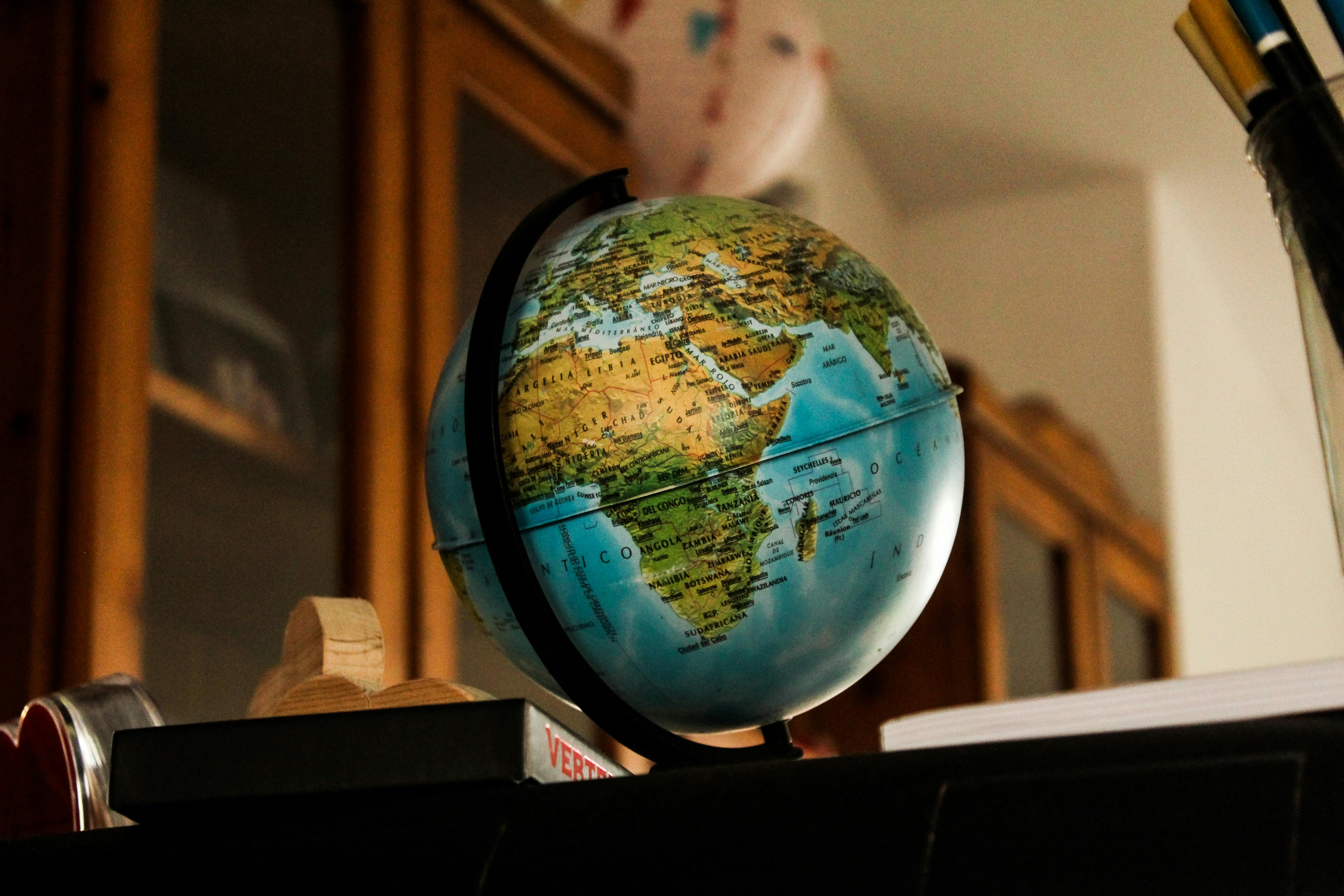
Africa has long been seen primarily through the lenses of natural resources, development challenges, and humanitarian concerns. However, in the 21st century, the continent is emerging as a central player in global geopolitics. With its strategic geography, vast natural wealth, young population, and rapidly growing economies, Africa is no longer just a passive arena for great power competition—it is increasingly a proactive actor shaping international dynamics.
Global powers from the United States and Europe to China, Russia, India, Turkey, and Gulf states are deepening their engagements in Africa. At the same time, African states and regional organizations like the African Union (AU) are asserting themselves in peacekeeping, diplomacy, and trade negotiations. This shift signals a geopolitical awakening, where Africa’s choices, alliances, and policies will help determine the balance of power in the decades ahead.
Africa’s Geostrategic Importance
1. Geography and Trade Routes
- Africa is situated between the Atlantic and Indian Oceans, with control over key maritime chokepoints such as the Suez Canal, Bab el-Mandeb, and the Cape of Good Hope.
- These routes handle a significant portion of global trade, including oil and manufactured goods between Asia, Europe, and North America.
- Control and stability of these corridors give Africa strategic leverage in global commerce.

2. Natural Resource Wealth
- Africa holds 30% of the world’s mineral reserves, including cobalt, platinum, rare earth elements, and uranium—resources critical for technology, defense, and renewable energy industries.
- The continent supplies over 60% of the world’s cobalt (essential for batteries) and is becoming central in the green energy transition.
- Oil- and gas-rich states like Nigeria, Angola, Mozambique, and Algeria influence global energy markets.
3. Demographics
- Africa’s population is projected to reach 2.5 billion by 2050, with a median age under 20.
- This youthful population presents opportunities for workforce expansion, innovation, and consumer markets—making Africa a future driver of global demand.
- Education and training programs will need to scale rapidly to prepare this young workforce.
- Urbanization is expected to accelerate, creating mega-cities that drive economic growth.
- Investment in infrastructure will be crucial to support the needs of a growing population.
- Technology adoption will likely transform traditional industries and promote entrepreneurship.
Historical Context of Africa’s Geopolitical Role
Colonial Legacies
- During the 19th and 20th centuries, Africa was primarily shaped by European colonial powers.
- Borders drawn during colonization often created enduring conflicts but also tied Africa to the global economy through resource extraction.
- Colonial education systems were established that often marginalized indigenous cultures and languages.
- The extraction of resources often led to exploitation and environmental degradation in many regions.
- Resistance movements emerged as a response to colonial rule, eventually leading to many countries’ independence.
- Economic policies enforced by colonial powers often favored European industries at the expense of local economies.
- The impact of colonial legacy continues to affect social and political dynamics in contemporary African states.
Cold War Rivalries
- Africa was a key battleground for U.S.-Soviet competition, with proxy wars in Angola, Ethiopia, and the Congo.
- Economic and military aid became tools of influence, shaping African alignments.
- The Cold War led to the establishment of various political regimes, influenced by either superpower.
- National liberation movements gained traction, receiving support from both the U.S. and the USSR.
- The ideological struggle often resulted in civil wars and political instability across the continent.
- Key leaders emerged from these conflicts, symbolizing the struggle against colonialism and foreign influence.
- African nations often faced pressures to align with one superpower over the other.
Post-Cold War Period
- Africa’s geopolitical visibility waned in the 1990s, overshadowed by globalization, but resurged in the 2000s due to China’s rise, resource demand, and terrorism threats.
- The continent faced numerous conflicts and civil wars during the post-colonial period.
- Economic reforms and liberalization started gaining momentum in the late 1990s.
- The rise of regional organizations, such as the African Union, sought to promote peace and cooperation.
- Increased foreign investment in key sectors, particularly telecommunications and infrastructure.
- Africa became a focal point for international attention concerning climate change and environmental challenges.
Contemporary Dynamics: Africa in Global Geopolitics
1. China’s Expanding Footprint
- Through the Belt and Road Initiative (BRI), China has financed infrastructure like railways, ports, and digital networks.
- Beijing is Africa’s largest trading partner, with trade exceeding $250 billion annually.
- Debt diplomacy concerns exist, but African states often view China as a reliable development partner.
- China has invested heavily in renewable energy projects across the continent.
- The Chinese government provides scholarships to thousands of African students each year.
- China has built numerous hospitals and medical facilities in various African countries.
- Trade agreements between China and African nations often favor resource extraction from the continent.
- Infrastructure development funded by China has led to improved connectivity in several regions of Africa.
- The China-Africa Cooperation Forum aims to strengthen political and economic ties.
2. United States and Western Interests
- The U.S. focuses on counterterrorism, governance, and energy security.
- Initiatives like Prosper Africa and Power Africa aim to expand investment and energy access.
- Europe prioritizes African partnerships to manage migration, climate, and security risks.
- The U.S. invests in technology transfer to bolster African development.
- Multilateral cooperation is essential for tackling transnational challenges.
- Climate change initiatives are critical for sustainable growth in Africa.
- Economic stability in Africa is linked to global security concerns.
3. Russia’s Re-engagement
- Russia leverages arms sales, security contracts (notably the Wagner Group), and energy deals.
- Moscow promotes itself as a non-colonial partner, contrasting with Western historical ties.
- Its role in resource sectors (uranium, oil) strengthens its African foothold.
4. India and Gulf States
- India strengthens trade ties, focusing on energy and diaspora connections.
- Gulf countries (UAE, Saudi Arabia, Qatar) invest in African agriculture, ports, and renewable energy, recognizing Africa’s role in food and energy security.
- India seeks collaboration in technology and infrastructure development with neighboring countries.
- Gulf nations enhance investments in sustainable practices, aiming to diversify their economies.
- African nations advocate for increased trade partnerships, promoting their natural resources on the global stage.
- India and Gulf countries work on bilateral agreements to streamline trade logistics and tariffs.
- Renewable energy initiatives gain momentum in Africa, supported by Gulf investments and Indian technology.
Africa’s Internal Geopolitical Agency
1. The African Union (AU)
- The AU increasingly acts as a collective voice, mediating conflicts and promoting continental integration.
- The creation of the African Continental Free Trade Area (AfCFTA)—the world’s largest free trade area by members—positions Africa as a unified economic actor.
2. Regional Powerhouses
- Nigeria: Africa’s largest economy and population center, pivotal in West African security and trade.
- South Africa: A BRICS member, influential in global diplomacy and continental economics.
- Egypt: Controls the Suez Canal and is central to both African and Middle Eastern politics.
- Ethiopia and Kenya: Leaders in East African diplomacy and infrastructure.
3. Peacekeeping and Security
- African states contribute significantly to UN peacekeeping operations.
- The AU’s peacekeeping missions in Somalia and elsewhere highlight Africa’s growing security leadership.
- Many African nations collaborate on regional security initiatives to tackle terrorism.
- African forces often cooperate with international partners in joint training exercises.
- The continent’s historical experiences shape its current approaches to peace and security.
- A number of African countries have developed regional frameworks for conflict resolution.
- African Union mandates often emphasize the importance of local ownership in peace processes.
Thematic Areas of Africa’s Geopolitical Role
1. Resource Competition and Green Transition
- Africa’s minerals make it indispensable to the global transition toward electric vehicles, renewable energy, and digital technologies.
- Competition among great powers for access could increase African bargaining power but also risk exploitation.
- Sustainable mining practices can enhance environmental protection and social equity.
- The development of local industries can boost economic growth and reduce dependency on foreign entities.
- Collaborations between African nations may strengthen regional stability and resource management.
2. Food and Water Security
- Africa has 60% of the world’s uncultivated arable land, making it critical for future food security.
- Climate change pressures intensify the strategic importance of African agriculture.
- Innovation in agricultural technology can significantly improve productivity in Africa.
- Access to water resources remains a challenge for agricultural development in many regions.
- Investment in infrastructure is crucial for enhancing market access for farmers.
- Sustainable farming practices are essential to preserve African ecosystems.
- Governments play a vital role in creating policies that support agricultural growth.
3. Security Challenges and Terrorism
- Islamist insurgencies in the Sahel, Somalia’s Al-Shabaab, and conflicts in the DRC affect global stability.
- How Africa handles terrorism and governance challenges influences foreign military and economic engagement.
4. Digital and Technological Frontiers
- Africa’s digital economy is growing rapidly, with fintech hubs in Nigeria, Kenya, and South Africa.
- Global tech companies see Africa as a frontier market, while digital sovereignty concerns grow with Chinese and Western tech dominance.
- Mobile technology adoption is increasing, facilitating access to financial services for the unbanked population.
- E-commerce platforms are experiencing significant growth, driven by increased internet penetration and mobile usage.
- Startups across the continent are attracting record levels of investment, indicating strong investor confidence in the region.
- Education and training in tech skills are expanding, with a focus on meeting the demands of a growing digital workforce.
- Governments are implementing policies to promote innovation and entrepreneurship in the tech sector.
Case Studies
1. The Horn of Africa and the Red Sea
- Countries like Djibouti, strategically located near key maritime routes, host multiple foreign military bases, including those of the U.S., China, and France, which play significant roles in regional security and international military cooperation.
- The region’s proximity to the Bab el-Mandeb strait makes it one of the world’s most militarized and strategic zones.
2. Nigeria’s Oil and Security
- Nigeria’s oil wealth attracts global investment, but insecurity in the Niger Delta and terrorism in the north complicate stability.
3. The Sahel Crisis
- France’s intervention in Mali, Russia’s Wagner operations, and U.S. counterterrorism missions show the Sahel’s centrality in Africa’s geopolitical landscape.
Africa’s Global Influence: Trends and Outlook
1. Multipolar Partnerships
- Africa is no longer tied exclusively to the West or any single power. States pursue pragmatic, multi-partner strategies to maximize benefits.
2. Shift From Dependency to Agency
- African governments increasingly demand partnerships based on equality, sovereignty, and mutual development.
3. Climate Diplomacy
- Africa is central in climate negotiations, balancing the need for development with calls for climate justice and financing.
4. Youth and Innovation
- Africa’s tech startups, creative industries, and social movements are shaping global cultural and economic trends.
Conclusion
Africa is no longer at the margins of global geopolitics—it is at the center of the world’s most critical debates on resources, climate, security, and technology. Its natural wealth, demographic strength, and geostrategic position give it immense leverage, while African institutions and leaders increasingly assert independence on the global stage.
The future of global geopolitics cannot be understood without Africa. The continent’s choices—whether in trade, diplomacy, or security—will help shape the multipolar order of the 21st century. Far from being a passive object of external competition, Africa is emerging as a decisive actor with the potential to reshape global balance.
Sources
- https://au.int
- https://csis.org
- https://brookings.edu
- https://weforum.org
- https://foreignpolicy.com
- https://theconversation.com
About The Author