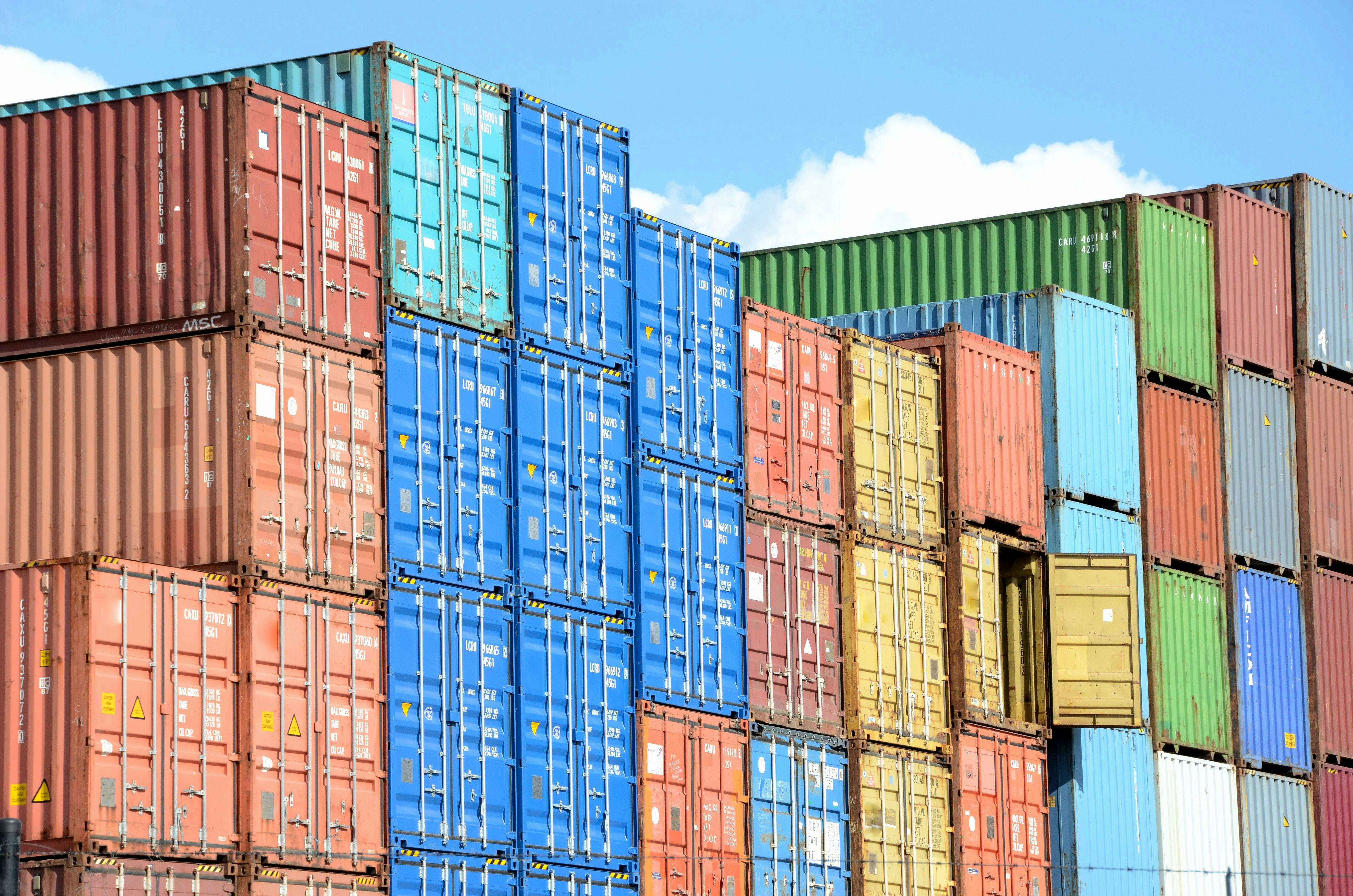
Trade has always been a driver of global power relations. From the Silk Road to modern supply chains, nations have used trade to build wealth, forge alliances, and compete for influence. But in recent years, the global trading system—built on principles of openness and interdependence—has faced growing challenges from trade protectionism.
Protectionist measures—tariffs, subsidies, export bans, and investment restrictions—are no longer just about economic competition. They are now key tools in geopolitical strategy. Trade protectionism geopolitics is shaping alliances, fueling rivalries, and redefining global power balances in the 21st century.
This article explores the rise of protectionism, its geopolitical implications, and the future of global trade in an era of fragmentation.
The Return of Trade Protectionism
1. From Globalization to Fragmentation
- The 1990s and 2000s marked an era of hyper-globalization, with supply chains stretching worldwide.
- However, the 2008 financial crisis, growing inequality, and national security concerns fueled backlash against free trade.
- Recent years have seen a shift toward economic nationalism and reshoring of industries.
- Advances in technology have facilitated international trade but also sparked job displacement in various sectors.
- Trade agreements have been criticized for benefiting large corporations over small businesses and workers.
- Environmental concerns have led to increased scrutiny of the carbon footprint of global supply chains.
- Political movements advocating for protectionist policies have gained momentum in multiple countries.
- The COVID-19 pandemic disrupted global supply chains, highlighting their vulnerabilities and dependencies.
2. Key Forms of Trade Protectionism
- Tariffs and Duties: Imposed to shield domestic industries (e.g., U.S.–China trade war tariffs).
- Export Controls: Restrictions on strategic goods like semiconductors and rare earths.
- Subsidies and Industrial Policy: Government support for domestic industries (e.g., U.S. Inflation Reduction Act).
- Investment Screening: Blocking foreign acquisitions in sensitive sectors.
- Quotas: Limits on the quantity of goods that can be imported or exported.
- Trade Agreements: Formal agreements between countries to regulate trade relations.
- Anti-dumping Measures: Tariffs imposed to protect local industries from foreign companies dumping products at below market value.
- Intellectual Property Laws: Regulations designed to protect inventions and creative works from unauthorized use.
- Trade Sanctions: Political or economic penalties imposed on countries to influence their behaviors.
- Regulatory Standards: Safety and quality requirements that must be met for imports and exports.
Geopolitical Drivers of Protectionism
1. Great Power Rivalries
- The U.S. and China use protectionist policies in their strategic competition.
- Export bans on semiconductors and restrictions on Huawei show how trade policy intersects with national security.
- Tariffs on imported goods are employed to protect domestic industries.
- Subsidies for local companies enhance their competitiveness against foreign firms.
- Intellectual property laws are tightened to safeguard technological advancements.
- Trade agreements are renegotiated to favor national interests.
- Currency manipulation is sometimes alleged to gain a trade advantage.
- Diplomatic relations can be strained by economic sanctions and trade disputes.
2. Technological Sovereignty
- Nations seek independence in critical technologies such as AI, 5G, and renewable energy.
- Protectionist policies ensure control over future industries and reduce dependence on rivals.
- Investment in domestic capabilities fosters innovation and economic growth.
- Strengthening cybersecurity measures protects national interests in technology.
- International collaborations need to align with national priorities.
- Strategic reserves of critical materials support technological independence.
- Developing local talent and workforce enhances competitive advantages.
- Regulatory frameworks shape the landscape of technology development and use.
3. Supply Chain Security
- COVID-19 disruptions highlighted the risks of global dependence.
- Countries now emphasize reshoring, friend-shoring, and diversification to secure essential supplies.
- Supply chain vulnerabilities have prompted governments to rethink trade agreements.
- Companies are increasing investments in local manufacturing capabilities.
- Economic nationalism is on the rise as nations prioritize domestic production.
- The pandemic has accelerated the trend towards digital supply chain solutions.
- Innovations in logistics are being sought to minimize future disruptions.
- Increased collaboration among nations is being encouraged to strengthen resilience.

4. Domestic Politics and Populism
- Rising inequality and job losses from globalization push governments toward protectionist measures.
- Leaders use trade restrictions to appeal to nationalist sentiments.
- Concerns over national security lead to restrictions on foreign investments.
- Trade wars escalate as countries retaliate against tariffs.
- Economic downturns prompt governments to prioritize local industries.
- Global supply chain disruptions intensify calls for self-sufficiency.
- Increased public support for policies protecting local jobs.
Case Studies in Trade Protectionism Geopolitics
1. The U.S.–China Trade War
- Beginning in 2018, the U.S. imposed tariffs on Chinese goods, triggering retaliation.
- Beyond economics, the dispute reflects strategic rivalry over technology and global leadership.
- Semiconductor export bans show how trade is weaponized for geopolitical containment.
- Trade agreements have been renegotiated in light of the evolving relationship between the two nations.
- Intellectual property theft has been a major point of contention in the trade discussions.
- The impact of tariffs has reverberated through global supply chains, affecting various industries.
- Global responses to the trade war have highlighted the intertwined fates of economies.
- Both nations have sought to bolster domestic industries as a countermeasure to tariffs.
2. European Union and Strategic Autonomy
- The EU pursues strategic autonomy, using trade defense instruments against unfair competition.
- The Carbon Border Adjustment Mechanism (CBAM) acts both as climate policy and protectionism.
- The EU also seeks to reduce reliance on China for rare earths and solar panels.
- The EU promotes sustainability in trade agreements to foster green technologies.
- The EU implements tariffs to counteract dumping practices by non-EU countries.
- The EU aims to enhance domestic production capabilities in strategic sectors.
3. India’s Protectionist Approach
- India imposes tariffs to nurture domestic industries under its “Atmanirbhar Bharat” (self-reliant India) strategy.
- Trade protectionism here doubles as a tool to strengthen geopolitical leverage in South Asia.
- The government introduces subsidies to support local manufacturers.
- Import restrictions are placed on specific goods to promote local alternatives.
- India engages in bilateral agreements to reduce dependency on certain imports.
- The focus is on developing indigenous technologies and innovations.
- Local start-ups are encouraged through favorable policies and funding opportunities.
4. Russia and Energy Weaponization
- Russia uses its energy exports as a strategic tool, restricting supplies to Europe in response to sanctions.
- This demonstrates how trade protectionism extends beyond goods to critical resources like oil and gas.
- The global dependency on Russian energy creates vulnerability among European nations.
- Sanctions lead to significant economic repercussions, impacting energy prices worldwide.
- Alternative energy sources are being explored in response to the limited supply from Russia.
- Political negotiations often become intertwined with energy dependency issues.
- Countries may resort to energy partnerships with non-traditional partners to mitigate risks.
Geopolitical Consequences of Protectionism
1. Fragmentation of the Global Economy
- The world is shifting from one integrated market to regional trade blocs.
- U.S., EU, and China are building parallel systems with competing standards.
- Emerging markets are gaining influence in shaping trade agreements.
- Supply chains are becoming increasingly localized in response to geopolitical tensions.
- Digital trade agreements are becoming more common as e-commerce grows.
- Trade policies are being influenced by environmental and labor standards.
2. Rise of Trade Alliances
- Countries form regional agreements (RCEP in Asia, CPTPP in the Pacific) to secure access and reduce risks.
- Trade alliances increasingly reflect geopolitical alignments rather than pure economics.
- Global supply chains are reorganized to minimize vulnerabilities.
- Technology transfer agreements shape competitive advantages among nations.
- Environmental regulations increasingly influence trade agreements.
- Tariffs and non-tariff barriers are employed as negotiation tools.
- Trade policies are adjusted in response to domestic political pressures.
- Emerging markets seek to boost their bargaining power through collective agreements.
3. Weaponization of Trade
- Sanctions, tariffs, and export controls become tools of coercion in conflicts.
- Nations use trade dependence as leverage—seen in energy disputes, tech bans, and food supply restrictions.
- Economic retaliation can escalate into broader diplomatic tensions.
- Countries may form alliances based on mutual trade interests.
- The impact of sanctions is often felt more by civilian populations than governments.
- Global supply chains can be disrupted by geopolitical conflicts.
4. Impact on Developing Countries
- Developing economies face pressure to choose sides between major blocs.
- Some benefit from supply chain relocation (e.g., Vietnam, Mexico), while others risk marginalization.
- Regional trade agreements become critical for economic survival.
- Increased competition drives innovation in various sectors.
- Financial aid and investment focus on strategic allies.
- Environmental regulations may hinder development efforts.
- Technology transfer opportunities arise from partnerships.
- Local industries struggle to adapt to global standards.
5. Climate and Green Protectionism
- Climate policies, like carbon border taxes, risk being perceived as disguised protectionism.
- Green competition could spark new trade disputes even among allies.
- The transition to a green economy may disrupt existing supply chains.
- There is potential for regulatory divergence in environmental standards.
- Emerging economies might struggle to meet stringent climate regulations.
- Intellectual property disputes may arise over green technologies.
- Trade sanctions could be employed in response to perceived non-compliance.
Strategic Dimensions of Trade Protectionism
1. Economic Security
- Nations view trade restrictions as essential to protect industries critical to defense and sovereignty.
- Many governments believe that reducing imports can strengthen domestic production.
- Tariffs are often used to support local businesses and preserve jobs.
- Strategic resources are safeguarded through import controls to ensure national security.
- Trade policies can be influenced by political alliances and regional stability.
2. Geopolitical Leverage
- By controlling key exports such as energy, semiconductors, and rare earths, nations gain significant bargaining power on the global stage, allowing them to influence international relations and economic negotiations more effectively.
3. Ideological Competition
- Trade protectionism reflects broader ideological divides—liberal democracies vs. state-led economies, where liberal democracies advocate for free trade principles and open markets, while state-led economies prioritize domestic industries and often implement tariffs or quotas to protect their economic interests.
4. Military-Trade Nexus
- Many trade restrictions target technologies with military applications, blurring the line between commerce and security, which raises significant concerns about the impact of these policies on international relations and technological innovation in civilian sectors.
Future Outlook: Trade Protectionism in a Multipolar World
1. Emergence of Parallel Trade Systems
- The U.S. and allies may form one bloc, while China, Russia, and others build alternatives.
- This multipolar trade order reduces interdependence but increases competition.
2. New Trade Frontiers
- Geopolitics will increasingly shape trade in green technologies, AI, space, and biotechnology.
- These industries may see the harshest protectionist battles.
3. Risk of Global Trade Wars
- Escalating protectionism could spark tit-for-tat measures, destabilizing the global economy.
4. Balancing Cooperation and Competition
- Despite rivalries, global crises like climate change will force countries to maintain limited cooperation.
Conclusion
Trade protectionism geopolitics illustrates how economic policies are now central to global power struggles. Tariffs, export bans, and subsidies are no longer mere economic instruments—they are strategic weapons that reshape alliances, fragment economies, and redefine the global order.
The U.S.–China rivalry, EU’s strategic autonomy, India’s self-reliance, and Russia’s energy tactics all show that protectionism is deeply tied to geopolitical ambitions. As the world moves toward a multipolar system, protectionist policies will remain at the heart of competition, forcing nations to adapt to a fragmented yet interdependent world.
The future of global trade will depend on how states balance national security, economic growth, and international cooperation—a balance that will define geopolitics in the decades ahead.
Sources
- https://wto.org
- https://csis.org
- https://weforum.org
- https://brookings.edu
- https://foreignpolicy.com
- https://unctad.org
About The Author