
Breaking the Mold: How Genre-Blending Films Are Redefining Modern Cinema
Cinema has always been a playground for storytelling traditions—whether it’s the suspense of a thriller, the romance of a love story, or the action-packed spectacle of a blockbuster. But as global audiences grow more sophisticated and genre expectations more predictable, filmmakers have embraced a creative rebellion: genre blending.
Gone are the days when films neatly fit into one category. Today’s most innovative directors mash up conventions, fusing comedy with horror, action with sci-fi, or romance with psychological drama. This evolution in genre-blending films reflects a broader cultural appetite for complexity, surprise, and emotional range within cinematic narratives.
But genre blending isn’t merely an aesthetic experiment—it reshapes audience engagement, narrative structures, and even the business of filmmaking itself.
Early Experimentation: Laying the Foundation for Genre Hybrids
While genre blending may feel synonymous with modern films, its roots stretch back to early cinema history. Filmmakers have long played with hybrid storytelling, challenging rigid genre lines to expand artistic possibilities.
Classic Westerns, for example, often carried moral drama; noir films blended crime with existential philosophy. Yet, these early hybrids were subtle compared to the bold, deliberate genre mashups of recent decades.
Example:
Akira Kurosawa’s Yojimbo (1961) blended Western tropes with samurai cinema, creating a cross-cultural, genre-defying blueprint that later inspired Western classics like A Fistful of Dollars (1964). Similarly, Stanley Kubrick’s Dr. Strangelove (1964) fused political satire with nuclear disaster, proving that humor could coexist with global anxiety.
Impact:
These early genre-blending films planted seeds of creative freedom, proving that mixing conventions could enrich storytelling, surprise audiences, and deepen thematic resonance—setting the stage for today’s more audacious hybrids.
The Rise of Bold Genre Mashups in Contemporary Cinema

In the last two decades, genre blending has evolved from subtle experimentation to a defining characteristic of modern filmmaking. Audiences increasingly crave narratives that defy expectations, mix tones, and deliver emotional complexity. Filmmakers have responded by fearlessly fusing genres, creating films that transcend traditional boundaries and appeal to diverse tastes.
What once seemed risky—mixing horror with humor or combining sci-fi with romance—has become a hallmark of innovation. These films don’t just entertain; they reflect the multifaceted nature of human experience, where life rarely fits neatly into one emotional category.
Example:
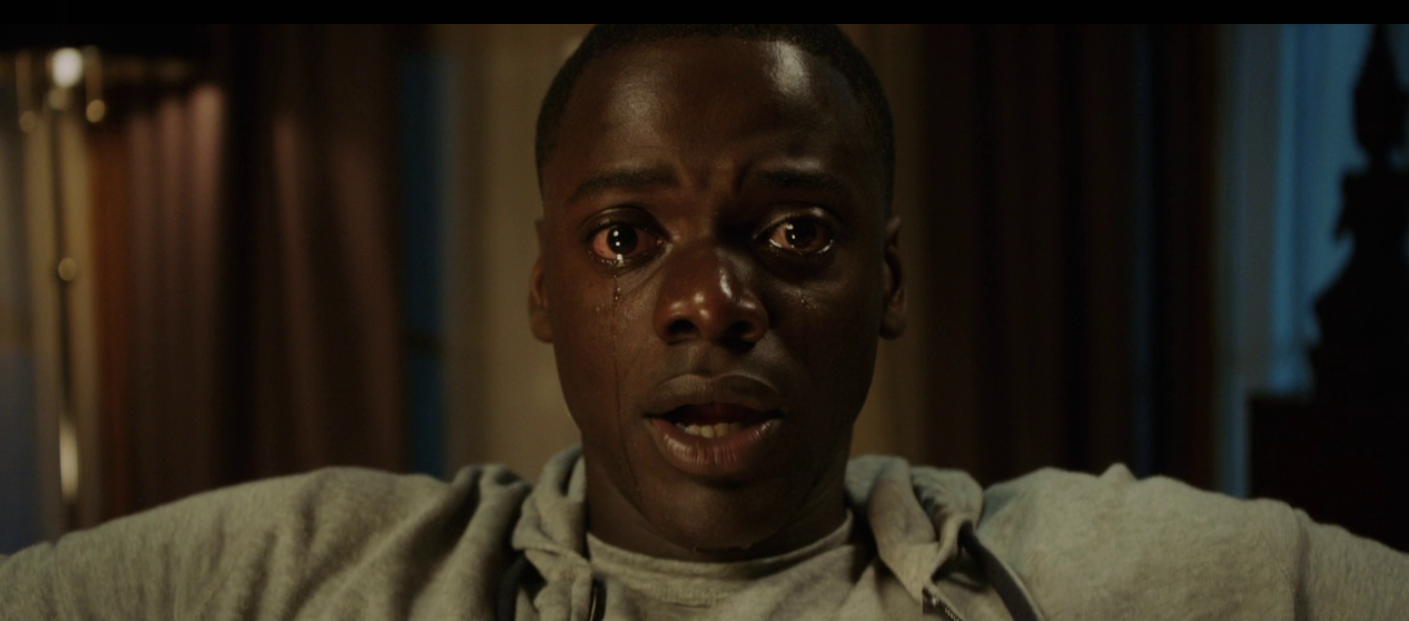
Jordan Peele’s Get Out (2017) is a prime example of genre blending films that redefined cinematic norms. Seamlessly mixing psychological horror, social satire, and mystery, the film delivered thrills while exploring racial tension—earning critical acclaim for both its entertainment value and cultural commentary.
Similarly, Shaun of the Dead (2004) blends zombie horror with romantic comedy and British humor, showing that even the apocalypse can be hilarious and heartfelt.
Impact:
This wave of genre-blending films has reshaped audience expectations, proving that emotional depth, thrills, and humor can coexist, leading to richer, more unpredictable storytelling experiences.
The Role of Streaming and Global Audiences in Fueling Genre Fusion
The rise of streaming platforms and global distribution has accelerated the appetite for genre-blending films. With diverse audiences accessing films beyond their own cultural or linguistic boundaries, creators are encouraged to craft stories that transcend conventional categories, appealing to multiple markets simultaneously.
Genre hybrids offer something for everyone—mixing elements of action, romance, comedy, or fantasy ensures broader appeal, while subverting genre tropes keeps stories fresh and culturally relevant.
Example:
Parasite (2019), directed by Bong Joon-ho, epitomizes global genre blending success. Seamlessly transitioning from dark comedy to social satire to psychological thriller, the film captivated audiences worldwide and made history as the first non-English language Best Picture winner at the Oscars.
Streaming platforms like Netflix have also empowered filmmakers to experiment with genre fusion, leading to international hits like The Platform (2019), blending horror, sci-fi, and class commentary in a unique Spanish production.
Impact:
Streaming services and global viewership have democratized storytelling, incentivizing filmmakers to innovate through genre blending—breaking cultural, linguistic, and narrative barriers in the process.
Emotional Complexity Through Genre Blending

One of the most profound impacts of genre blending is the ability to convey layered emotional experiences within a single narrative. Traditional genre films often lock audiences into one emotional lane—horror evokes fear, comedy sparks laughter, drama invites reflection. But life, like art, is rarely so compartmentalized.
By fusing genres, filmmakers explore contradictions: fear and humor, love and danger, grief and absurdity—all within the same cinematic space. This mirrors real human experience and makes stories more immersive, unpredictable, and emotionally resonant.
Example:
Everything Everywhere All at Once (2022) is a masterclass in emotional genre blending. The film mixes science fiction, multiverse fantasy, martial arts action, and existential family drama—delivering absurdist humor one moment and profound reflections on generational trauma the next.
Likewise, The Shape of Water (2017) blends fantasy romance with Cold War thriller elements, creating a love story that defies genre restrictions and speaks to themes of alienation and acceptance.
Impact:
This blending deepens emotional range, keeps audiences engaged, and challenges them to process complex, often contradictory feelings—making films more human and relatable.
Commercial Advantages and Audience Expansion of Genre Hybrids
Beyond artistic value, genre blending offers significant commercial benefits. By appealing to multiple audience segments simultaneously, these films expand their market reach and increase box office or streaming success.
A horror-comedy draws both thrill-seekers and humor fans; a sci-fi romance hooks lovers of speculative fiction and relationship drama. In an era of crowded entertainment options, blending genres creates unique offerings that stand out and appeal across demographics.
Example:
Marvel’s Guardians of the Galaxy (2014) exemplifies commercial genre blending: a space opera infused with comedy, action, and retro music nostalgia. Its success attracted comic book fans, sci-fi enthusiasts, and casual audiences alike.
Deadpool (2016) takes this further—merging superhero action, raunchy comedy, and self-aware parody—resulting in massive box office returns despite its unconventional tone.
Impact:
By transcending single-genre confines, filmmakers create hybrid narratives that broaden appeal, increase profitability, and introduce fresh storytelling formats to saturated markets.
Genre Blending Beyond Film: The Influence on Television and Streaming Series\
The evolution of genre blending is not confined to the big screen—it has reshaped television and streaming narratives as well. The long-form structure of series provides even more space to experiment with tone, genre shifts, and narrative hybrids, allowing creators to hook diverse audiences over multiple episodes.
Series that mix genres maintain freshness, deepen character development, and allow for plotlines that defy traditional TV formulas.
Example:
Stranger Things (2016–present) is a quintessential genre-blending series, seamlessly merging 1980s nostalgia, horror, science fiction, government conspiracy, and coming-of-age drama. Its hybrid storytelling appeals to fans of multiple genres, contributing to its global success.
Likewise, Fargo (2014–present) takes inspiration from the Coen Brothers’ film, blending dark crime drama with absurdist comedy and moral philosophy, resulting in a unique tonal cocktail that defies categorization.
Impact:
Television’s embrace of genre blending enhances narrative complexity, sustains audience engagement across seasons, and continues pushing boundaries once exclusive to experimental cinema.
Postmodernism and the Rise of Meta Genre Blending

The rise of postmodern cinema in the late 20th century played a pivotal role in accelerating genre blending. Postmodernism, with its emphasis on irony, pastiche, and self-awareness, encouraged filmmakers to consciously deconstruct genres—mixing, parodying, and reassembling them to create new narrative experiences.
This era invited films to both honor and critique genre traditions, often through self-referential humor or intentional subversion of expectations.
Example:
Quentin Tarantino’s Pulp Fiction (1994) is a landmark in postmodern genre blending—melding crime thriller, black comedy, neo-noir, and philosophical dialogue into a fractured yet iconic narrative. The film simultaneously embraces and mocks genre conventions, becoming a blueprint for countless genre-defying projects.
Similarly, Scream (1996) reinvents the slasher horror genre by being both a terrifying film and a clever commentary on horror clichés, turning genre awareness into part of the storytelling itself.
Impact:
Postmodern genre blending made audiences savvier, expecting films to subvert norms, blend influences, and invite them to engage with cinema as both entertainment and cultural reflection.
The Creative Challenges and Risks of Genre Blending

While genre blending offers exciting creative opportunities, it comes with significant risks. Combining disparate genres requires precise tonal balance—missteps can alienate audiences, create narrative confusion, or result in films that feel unfocused.
Maintaining cohesion when mixing horror and comedy, or romance and sci-fi, demands skilled direction, thoughtful writing, and an understanding of genre expectations. Poorly executed hybrids risk falling into parody or losing emotional impact entirely.
Example:
Films like Cowboys & Aliens (2011) attempted to merge Western adventure with alien invasion sci-fi but struggled with inconsistent tone and lack of narrative cohesion, leading to mixed critical and commercial reception.
Similarly, The Happening (2008) fused environmental thriller with horror, but its tonal inconsistencies and unintended humor undermined its intended suspense.
Impact:
Genre blending demands careful craftsmanship. When executed poorly, it can confuse viewers, dilute thematic focus, and damage a film’s reception—proving that innovation in storytelling requires both creativity and control.
Conclusion: Genre Blending as the Future of Cinematic Storytelling
The evolution of genre blending films reflects a broader shift in how modern audiences consume stories—craving complexity, unpredictability, and emotional richness. As filmmakers continue to experiment, blending horror with humor, action with romance, or fantasy with grounded drama, cinema becomes a space where narrative rules are rewritten.
This creative rebellion against rigid categories has empowered storytellers to reflect the multifaceted nature of human experience, where comedy and tragedy, fear and love, often coexist. From independent projects to global blockbusters, genre-blending films have transformed from experimental curiosities to mainstream storytelling staples.
Yet, the success of this evolution depends on balance—blending genres not for novelty’s sake, but to deepen character, enrich theme, and challenge both creators and audiences to embrace stories that defy expectations.
As cinema continues to evolve, one truth becomes clear: the boundaries between genres are no longer walls—they’re bridges, connecting diverse ideas, emotions, and audiences across cultures and screens.
About The Author


