
Why Voiceover Remains a Storytelling Powerhouse
In the vast world of cinematic and audio-visual narratives, voiceover storytelling remains one of the most powerful yet understated techniques. Far from being just background commentary, voiceover narration shapes how audiences interpret stories, understand characters, and emotionally connect with unfolding events.
Whether through an omniscient narrator guiding viewers or a character revealing inner thoughts, voiceover storytelling adds depth, subtext, and nuance—often transforming the audience’s perception entirely.
From iconic film noirs to modern streaming series, the technique endures because it offers something visual storytelling alone cannot: direct access to perspective, emotion, and hidden truths.
Enhancing Emotional Connection: Voiceover as an Intimate Tool
One of the greatest strengths of voiceover storytelling is its ability to foster intimacy between the audience and characters or narrator. Hearing a character’s inner thoughts or reflections creates emotional resonance beyond what visuals alone convey.
How Voiceover Builds Emotional Connection:
✔ Provides access to a character’s unspoken fears, desires, or doubts
✔ Frames the narrative with vulnerability and authenticity
✔ Bridges temporal gaps by reflecting on past or future events
Examples:
- The Shawshank Redemption (1994):
Morgan Freeman’s calm, reflective narration gives viewers insight into hope, resilience, and survival within the prison system, deepening empathy for the characters. - The Wonder Years (1988-1993):
Adult Kevin’s voiceover reflects on childhood with humor and nostalgia, enhancing relatability and emotional warmth.
Impact:
Voiceover storytelling becomes a direct channel for emotion—guiding viewers beyond surface action into layered, personal experiences.
Shaping Narrative Structure: Voiceover as a Guiding Thread
Beyond emotional resonance, voiceover storytelling serves as a vital structural tool, especially in complex or non-linear narratives. It anchors the audience, providing clarity, continuity, and cohesion in stories that span timelines, locations, or fragmented perspectives.
How Voiceover Shapes Structure:
✔ Clarifies jumps in time or space
✔ Provides exposition without heavy-handed dialogue
✔ Bridges fragmented scenes into a coherent whole
Examples:
- Goodfellas (1990):
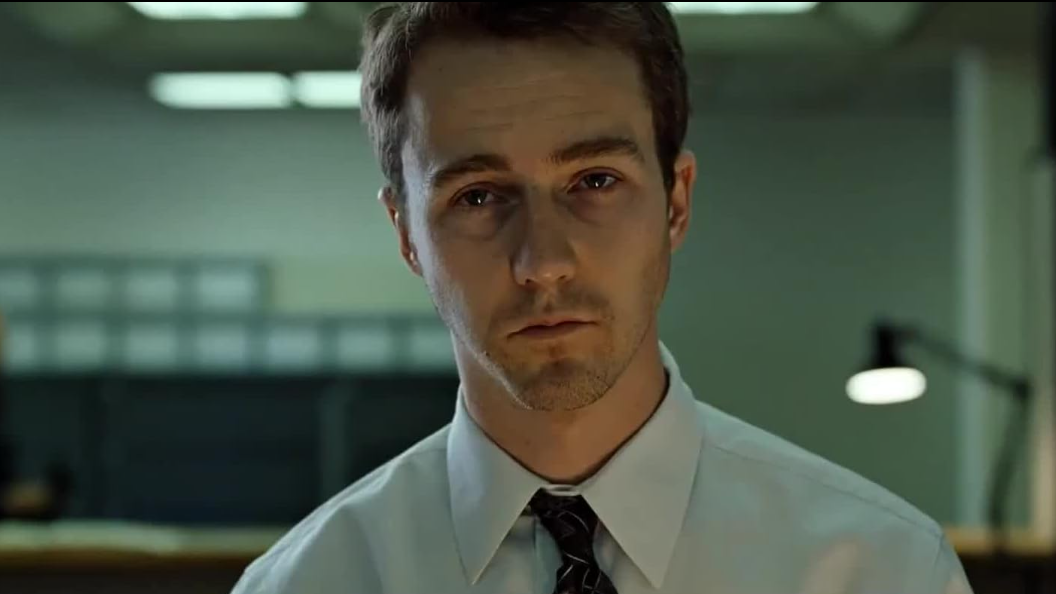
Henry Hill’s voiceover chronicles his rise and fall in the mob world, threading together decades of crime, personal reflection, and cultural commentary. - Fight Club (1999):
The unreliable narrator’s voiceover creates deliberate tension between perception and reality—manipulating structure while keeping viewers disoriented and engaged.
Impact:
Voiceover functions as both map and mirror, guiding audiences through intricate narratives while deepening immersion in character psychology or thematic layers.
Revealing Subtext and Hidden Motivations
In voiceover storytelling, what characters say aloud often differs from their private thoughts. This contrast allows filmmakers to layer subtext—revealing hidden motivations, internal contradictions, or unreliable perspectives that add complexity to the narrative.
Techniques for Revealing Subtext:
✔ Inner monologues that contradict spoken dialogue
✔ Reflections that expose vulnerability or moral ambiguity
✔ Unreliable narration that challenges audience assumptions
Examples:
- Dexter (2006-2013):
The protagonist’s voiceover reveals his sociopathic tendencies and moral conflicts—creating tension between his public facade and private intentions. - The Big Short (2015):
Breaking the fourth wall through voiceover, characters explain complex financial concepts, while simultaneously exposing industry corruption and audience complicity.
Impact:
Voiceover storytelling becomes a tool for layered meaning—inviting audiences to question surface appearances and engage more critically with characters and events.
Manipulating Audience Perspective: The Power of the Unreliable Narrator
Voiceover can intentionally distort the audience’s understanding, creating suspense, ambiguity, or surprise through unreliable narration. This manipulation keeps viewers questioning reality and deepens psychological complexity.
How Voiceover Shapes Perception:
✔ Alters the truth by presenting biased or incomplete information
✔ Creates narrative twists by contradicting visuals or later revelations
✔ Encourages active audience interpretation rather than passive consumption
Examples:
- American Beauty (1999):
The protagonist narrates from beyond the grave, reshaping how audiences perceive mortality, regret, and beauty. - The Usual Suspects (1995):
Verbal Kint’s voiceover shapes the entire investigation, only for viewers to later realize his version of events is strategically fabricated.
Impact:
This technique turns viewers into detectives, questioning not only the story but the storyteller, enhancing narrative complexity and thematic depth.
Building Thematic Cohesion Across Non-Visual Elements
In voiceover storytelling, narration often carries thematic weight, unifying disparate storylines, symbolisms, or timelines through a consistent vocal presence.
Uses for Thematic Cohesion:
✔ Weaves abstract ideas (fate, justice, identity) into concrete events
✔ Elevates inner reflection above physical action
✔ Provides philosophical or moral commentary
Examples:
- Tree of Life (2011):
Poetic voiceovers explore grief, creation, and existence—binding cosmic imagery with personal memory. - Blade Runner (1982, theatrical cut):
The noir-inspired voiceover (controversial yet iconic) provides existential context within the dystopian, cyberpunk setting.
Impact:
Voiceover becomes a narrative thread that ties the intellectual, emotional, and visual components into a unified storytelling experience.
Creating Nostalgia and Reflective Distance
Voiceover is often used to evoke nostalgia by blending present events with reflective commentary, offering audiences both immediacy and hindsight simultaneously.
How Voiceover Evokes Nostalgia:
✔ Allows adult characters to reflect on formative experiences
✔ Creates emotional distance, offering wisdom or regret
✔ Blends humor, melancholy, and life lessons into the narrative
Examples:
- The Sandlot (1993):
The adult narrator reflects on childhood adventures, friendships, and coming-of-age lessons with warmth and humor. - Stand By Me (1986):
Richard Dreyfuss’s voiceover, as an adult looking back, transforms a childhood journey into a meditation on mortality and memory.
Impact:
Voiceover transforms ordinary events into timeless reflections, connecting personal experience with universal emotions like growing up, loss, and longing.
Providing World-Building and Exposition Efficiently

In complex fictional worlds, voiceover storytelling delivers exposition without overwhelming audiences through dialogue-heavy scenes.
Efficient Exposition Techniques:
✔ Sets up world rules, history, or societal structures
✔ Quickly establishes character backgrounds or stakes
✔ Bridges audience knowledge gaps without disrupting pacing
Examples:
- The Lord of the Rings: The Fellowship of the Ring (2001):
Galadriel’s ethereal voiceover introduces the mythos of Middle-earth, setting the stage for an epic journey without lengthy on-screen explanation. - Blade Runner 2049 (2017) – promotional materials:
Narration helps newcomers grasp the dystopian world’s socio-political landscape, enriching immersion before the visual story begins.
Impact:
Voiceover becomes a bridge between intricate storytelling and audience accessibility, ensuring engagement remains seamless in even the most layered narratives.
The Enduring Power of Voiceover in Storytelling
Voiceover storytelling continues to thrive because it unlocks narrative dimensions no other technique can fully replicate. Whether building emotional intimacy, manipulating perspective, or unifying complex structures, voiceover narration invites audiences deeper—into character psyches, hidden truths, and reflective commentary.
In cinema, television, animation, and even interactive formats, voiceover remains a timeless tool for:
✔ Fostering emotional connection and vulnerability
✔ Shaping non-linear or fragmented narratives coherently
✔ Revealing inner conflict, subtext, or unreliable viewpoints
✔ Providing efficient exposition in complex fictional worlds
✔ Evoking nostalgia, humor, and philosophical reflection
From classic noir detectives to modern streaming protagonists, voiceover turns internal worlds outward, elevating storytelling beyond the visible—making audiences not just viewers but confidants in the unfolding narrative
About The Author


