
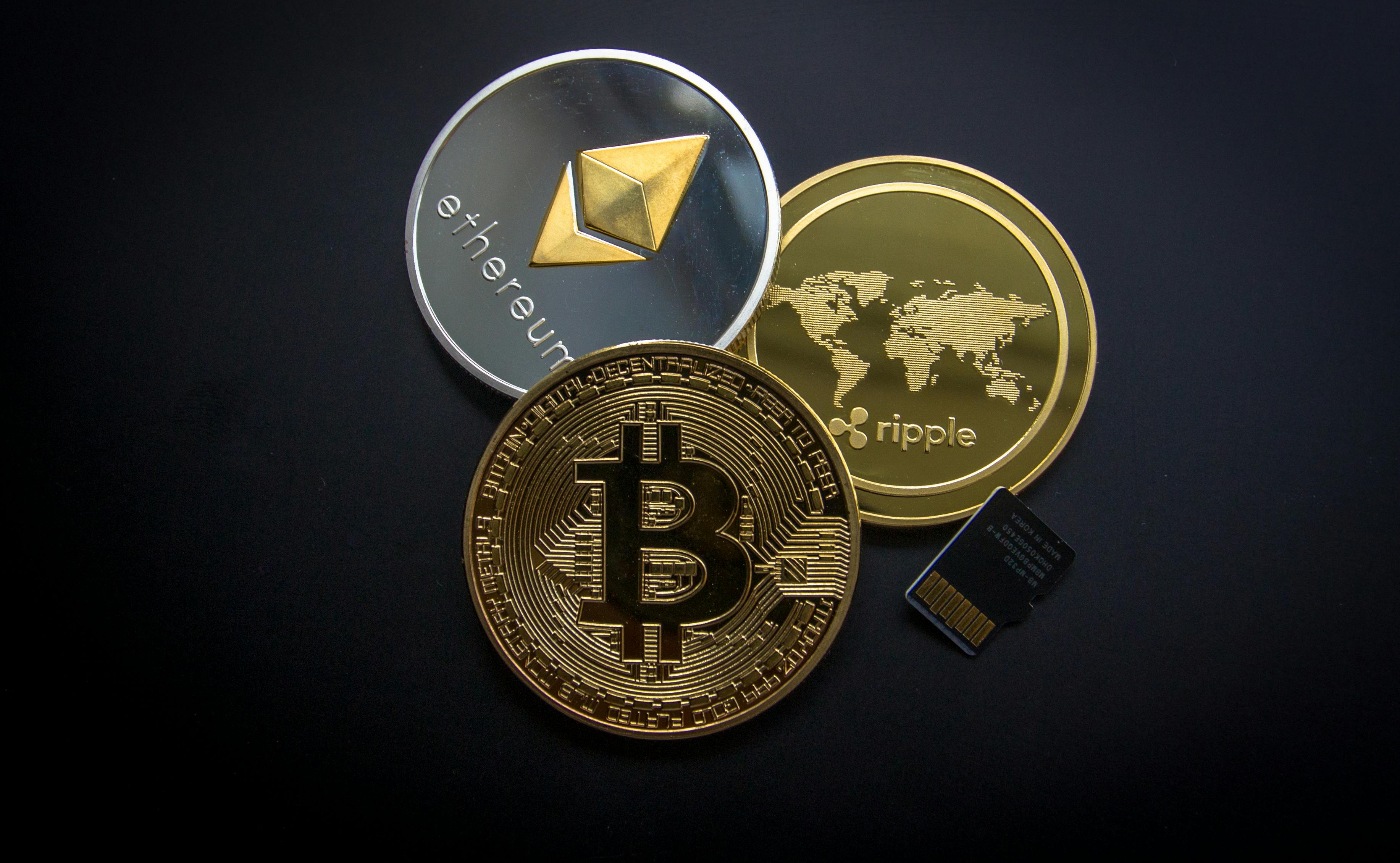
What if you could send money across borders in seconds, bypassing high fees and intermediaries? In Africa, where financial systems often lag, digital currencies are sparking a revolution. Sub-Saharan Africa processed $698 billion in mobile money transactions in 2021, signaling a seismic shift toward digital finance. This article dives into the future of digital currencies in Africa, exploring their potential to transform economies, the hurdles they face, and the data driving these trends.
Why Digital Currencies Matter in Africa
You live in a region where 61% fewer people have access to banking services compared to the global average. Digital currencies—whether cryptocurrencies, stablecoins, or central bank digital currencies (CBDCs)—offer a solution. They enable fast, low-cost transactions and financial inclusion for millions without bank accounts. Here’s why they’re gaining traction:
- High remittance costs: Sending $200 to Sub-Saharan Africa costs an average of 8%, compared to the global average of 6.8%. Digital currencies cut these fees significantly.
- Unbanked populations: Over 350 million adults in Africa lack formal banking services. Mobile-based digital currencies require only a smartphone.
- Economic instability: Currencies like the South African rand lost 50% of their value against the U.S. dollar in the past decade. Stablecoins pegged to stable assets offer an alternative.
The Rise of Cryptocurrencies in Africa
Your neighbor in Lagos or Nairobi might already use Bitcoin for daily transactions. Cryptocurrency adoption is surging, with Africa’s market growing rapidly despite representing only 2% of global crypto value. Here’s what’s driving this:
- Retail transactions dominate: Monthly crypto transfers under $10,000 in Africa rose 55% to $316 million in June 2020. Nigerians, South Africans, and Kenyans lead this trend.
- Private sector growth: Luno, a U.K.-based crypto platform, reported 4.7 million African users in 2021, doubling from 2.3 million in 2020.
- Inflation hedges: In Zimbabwe, hyperinflation in 2015 pushed citizens to Bitcoin to preserve wealth. Similar trends appear in Nigeria and Ghana, where inflation rates hit double digits.
South Africa ranks third globally, with 13% of internet users owning crypto, followed by Nigeria at 11%. These numbers outpace the global average of 7%. Blockchain platforms like Bitpesa (now AZA Group) have processed over $500 million in cross-border transfers, proving crypto’s utility.
Central Bank Digital Currencies (CBDCs): A Game Changer?
You might soon hold a digital version of your country’s currency. CBDCs, issued and regulated by central banks, are gaining momentum. As of June 2023, 11 countries globally have launched CBDCs, with Nigeria’s eNaira leading in Africa. Here’s the state of play:
- Nigeria’s eNaira: Launched in October 2021, it allows peer-to-peer payments without fees via digital wallets. Despite this, adoption lags due to public distrust and poor management perceptions.
- Pilot programs: South Africa tests a wholesale CBDC for interbank transfers, while Ghana’s e-Cedi targets retail users with offline capabilities.
- Regional interest: Over 75% of Sub-Saharan African countries are researching or piloting CBDCs, with 25% aiming to launch by 2028.
CBDCs promise to enhance financial inclusion, reduce cash-handling costs, and improve cross-border trade. For instance, faster payment clearance could boost intra-African trade, which remains low at 15% of total trade.
Mobile Money: The Foundation for Digital Currencies
Your phone is already a bank. Sub-Saharan Africa accounts for nearly half of the world’s 1.04 billion mobile money accounts, with platforms like M-Pesa leading the charge. Here’s how mobile money sets the stage:
- Widespread adoption: Kenya, South Africa, and Nigeria are fintech hubs, with mobile money transactions hitting $2 billion daily.
- Low-cost remittances: Mobile money reduces transfer fees compared to traditional banks, though interoperability issues persist.
- Trust and infrastructure: 90% of central banks cite public trust and internet penetration as critical for CBDC success. Mobile money’s established networks ease this transition.
In the Democratic Republic of Congo, 30 million mobile money subscribers face challenges due to non-interoperable systems like Airtel Money and Orange Money. A CBDC could resolve this by enabling seamless transactions.
Opportunities for Economic Transformation
Digital currencies can reshape your financial landscape. They address longstanding issues in African economies. Consider these benefits:
- Financial inclusion: CBDCs and crypto enable the unbanked to access financial services via smartphones, bypassing traditional banks.
- Cheaper cross-border payments: Blockchain-based platforms like Stellar and Ripple are testing Sub-Saharan corridors, potentially reducing remittance costs to 1% by 2027, per G20 goals.
- Economic resilience: Cryptocurrencies offer an alternative to unstable local currencies, enhancing economic stability.
- Trade facilitation: CBDCs could streamline cross-border payments, boosting intra-African trade and economic integration.
For example, PetroChina’s 2023 crude oil trade using China’s e-CNY highlights how digital currencies can simplify international transactions.
Challenges to Overcome
You face significant hurdles in adopting digital currencies. Infrastructure, regulation, and trust are critical barriers. Here’s what stands in the way:
- Digital infrastructure: Internet penetration in Sub-Saharan Africa is only 39%, compared to 66% globally. Smartphones are widespread, but reliable connectivity lags.
- Regulatory gaps: Nigeria’s 2021 crypto ban (later lifted) exposed weak regulatory frameworks. Many countries lack expertise to enforce fintech laws.
- Public trust: 90% of central banks note trust as a key adoption factor. Nigeria’s eNaira struggles with low uptake due to skepticism.
- Security risks: Cyberattacks and fraud threaten digital wallets. In 2021, the U.S. seized $130 million in Bitcoin linked to illegal activities.
Data privacy is another concern. Surveillance technologies, including biometrics, raise risks of data misuse, especially with foreign tech firms operating in Africa.
Case Studies: Successes and Lessons
You can learn from Africa’s early adopters. These examples highlight what works and what doesn’t:
- Nigeria’s eNaira: Despite its potential, only 0.5% of Nigerians used eNaira by 2022 due to distrust and technical issues. Clear communication and robust infrastructure are critical.
- Ghana’s e-Cedi: The pilot allows offline transactions, ideal for rural areas with poor connectivity. This model could inspire other nations.
- South Africa’s Project Khokha: The wholesale CBDC pilot, part of a cross-border test with Australia, Malaysia, and Singapore, shows promise for interbank efficiency.
The Role of Regulation and Policy
Your government plays a pivotal role. Clear policies can accelerate adoption while mitigating risks. Here’s what’s needed:
- Legal frameworks: Classifying digital currencies as securities, e-money, or commodities affects their growth. Clear definitions prevent confusion.
- International cooperation: The IMF supports multi-country CBDC pilots to share expertise. Collaboration ensures interoperability across borders.
- Consumer protection: Regulations must address cyber risks and ensure data privacy. South Africa’s 2021 policy paper is a step forward.
The G20’s 2020 push to lower remittance costs to 1% for retail and 3% for remittances by 2027 guides African policy.
Sustainability and Energy Concerns
You might worry about the environmental impact. Bitcoin’s energy-intensive mining raises red flags, but solutions are emerging:
- Energy-efficient mechanisms: Proof of Stake (PoS) and Proof of Authority (PoA) reduce blockchain’s carbon footprint.
- CBDC advantage: Unlike crypto, CBDCs are centrally managed, requiring less energy.
- Research gaps: Neither the Eurosystem’s digital euro nor the U.S. digital dollar consultations address sustainability explicitly, a missed opportunity.
What’s Next for Africa’s Digital Currency Landscape?
You’re at a crossroads. By 2030, the global CBDC market could reach significant scale, with Africa as a key player. Here’s what to watch:
- Increased adoption: Over 5% of Kenyans, 6% of Nigerians, and 10% of South Africans already use crypto. CBDC adoption could follow.
- Regional integration: The African Continental Free Trade Area (AfCFTA) could leverage CBDCs to boost intra-African trade.
- Private sector innovation: Platforms like Celo and Algorand are testing tokenized forex solutions in Sub-Saharan Africa.
How You Can Prepare
You can position yourself for this shift. Whether you’re an individual, business, or policymaker, take these steps:
- Stay informed: Follow updates from the IMF (https://www.imf.org) and World Bank (https://www.worldbank.org) on digital currency trends.
- Adopt mobile money: Platforms like M-Pesa build familiarity with digital payments, easing the transition to CBDCs.
- Demand transparency: Push for clear regulations and public education to build trust in digital currencies.
- Invest in skills: Learn about blockchain and cybersecurity to navigate this evolving landscape.
Conclusion
Africa’s digital currency future is bright but complex. You stand to benefit from lower costs, greater inclusion, and economic resilience—if challenges like infrastructure and trust are addressed. With $698 billion in mobile money transactions and growing crypto adoption, the continent is poised for transformation. Stay engaged, demand robust policies, and embrace the tools shaping your financial future.
Sources
- World Bank – Financial Inclusion in Africa: https://www.worldbank.org/en/region/afr/publication/financial-inclusion-in-africa
- International Monetary Fund (IMF) – Central Bank Digital Currencies: https://www.imf.org/en/Topics/fintech/central-bank-digital-currencies
- Statista – Mobile Money in Africa: https://www.statista.com/topics/7626/mobile-money-in-africa/
- African Business – Central Bank Digital Currencies in Africa: https://african.business/2022/07/finance-services/do-central-bank-digital-currencies-have-a-future-in-africa
- Pew Research Center – Mobile Technology and Its Impact in Africa: https://www.pewresearch.org/global/2018/10/09/internet-connectivity-seen-as-having-positive-impact-but-digital-divides-persist/
These links provide credible data and insights to support the article’s claims about digital currencies, mobile money, and financial inclusion in Africa.

Anish Bera
I am a writer and researcher who explores health, finance, and innovation. I like to contribute to platforms that examine how everyday choices shape the future and like to break it down.
About The Author


