
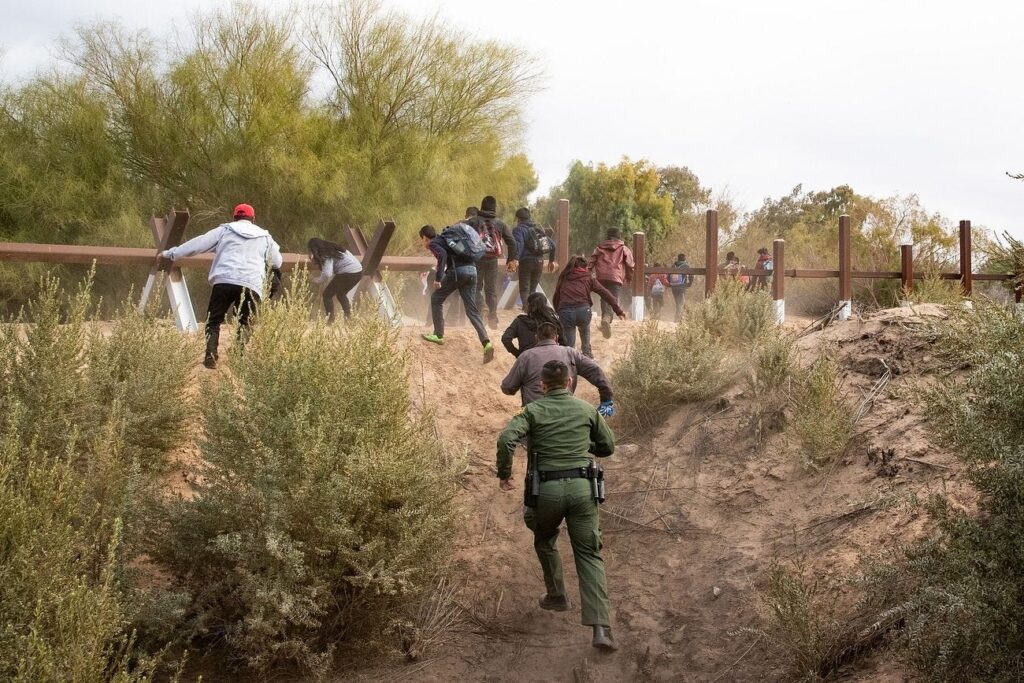
In a landscape marked by polarized debates and political upheaval, the recently inaugurated Trump administration of 2025 has reignited the nation’s focus on illegal immigration. Amid promises to restore “law and order,” this administration is enacting sweeping measures to address what it perceives as a longstanding issue undermining the country’s economic stability, national security, and social cohesion. While supporters laud these efforts as necessary to protect American interests, critics argue they risk disproportionately affecting vulnerable communities. This article explores the reasons behind the crackdown, the measures being implemented, and the communities most affected, with a focus on facts, figures, and expert insights.
Why the Crackdown on Illegal Immigration?
Illegal immigration has been a hot-button issue for decades. The Trump administration’s renewed efforts to address it stem from several arguments:
- National Security Risks: Proponents of stricter immigration policies argue that porous borders make the United States vulnerable to threats, including terrorism and organized crime. According to a 2024 Department of Homeland Security report, border enforcement gaps have led to the entry of approximately 7,000 undocumented individuals daily, with a small percentage linked to criminal activities.
- Economic Burden: Opponents of illegal immigration assert that undocumented immigrants strain public resources. Data from the Federation for American Immigration Reform (FAIR) estimates the annual fiscal cost of illegal immigration at $182 billion, factoring in healthcare, education, and welfare expenses. Additionally, critics argue that illegal workers compete for jobs, often at lower wages, affecting American workers’ earning potential.
- Upholding the Rule of Law: The administration emphasizes that allowing illegal immigration undermines the legal framework governing entry into the United States. “We are a nation of laws, and those laws must be respected,” President Trump stated in his inaugural speech, vowing to address the issue comprehensively.
Strict Measures Under the Trump Administration
The 2025 Trump administration’s immigration policies mark a stark departure from previous approaches. Key measures include:
1. Enhanced Border Security
- Increased Troop Deployment: The administration has deployed an additional 1,500 troops to the southern border, bringing the total military presence to 4,000. This move aims to deter illegal crossings and ensure swift apprehensions.
- Expanded Wall Construction: Funding for the border wall has been prioritized, with an additional $12 billion allocated in the 2025 budget to complete unfinished sections.
2. Asylum Restrictions
- The administration has terminated the CBP One app, a digital tool that facilitated asylum applications, forcing asylum seekers to apply at U.S. embassies in their home countries instead.
- A new policy requires asylum seekers to remain in Mexico while their claims are processed, a measure criticized for exposing vulnerable individuals to unsafe conditions.
3. Mass Deportations
- Executive orders have directed U.S. Immigration and Customs Enforcement (ICE) to expedite deportations. The administration aims to remove 2 million undocumented immigrants within the first year of Trump’s term.
- Detention facilities are being expanded to accommodate the increase in detainees, with $8 billion allocated for new centers.
4. Targeting Birthright Citizenship
- An executive order has been issued to eliminate birthright citizenship, arguing it incentivizes illegal immigration. Although blocked by federal courts as unconstitutional, the administration plans to appeal the decision to the Supreme Court.
5. Broader Enforcement Operations
- Immigration arrests are no longer restricted to “sensitive locations” such as schools, churches, and hospitals. Critics argue this policy change creates a climate of fear within immigrant communities.
Communities Most Affected
The Trump administration’s immigration policies have far-reaching consequences for several groups:
1. Undocumented Immigrants
- An estimated 11.7 million undocumented immigrants live in the United States, according to the Pew Research Center. Many face heightened risks of detention and deportation, leading to job losses and family separations.
2. Asylum Seekers
- The new asylum policies disproportionately impact individuals fleeing violence and persecution. Human Rights Watch reports that asylum seekers stranded in Mexico face increased dangers, including exploitation by criminal gangs.
3. Mixed-Status Families
- Families with members of varying immigration statuses risk separation under enhanced enforcement. The Migration Policy Institute estimates that nearly 6 million U.S. citizens live in households with at least one undocumented family member.
4. Border Communities
- Communities along the U.S.-Mexico border bear the brunt of increased enforcement. Local economies dependent on cross-border trade and tourism may suffer due to heightened security measures.
Balancing Enforcement and Humanity
While the Trump administration’s crackdown aims to address illegal immigration comprehensively, critics argue it lacks balance. Experts recommend the following strategies to achieve a fairer system:
- Streamlining Legal Immigration Pathways: Expanding legal immigration channels could reduce unauthorized entries by offering viable alternatives to individuals seeking work or safety in the U.S.
- Investing in Regional Stability: Addressing the root causes of migration, such as violence and poverty in Central America, could help reduce the flow of undocumented migrants.
- Ensuring Due Process: Policies should guarantee that individuals have access to legal representation and fair hearings in immigration courts.
- Protecting Vulnerable Groups: Special provisions should safeguard asylum seekers, children, and victims of human trafficking.
The Path Forward
The Trump administration’s aggressive approach to illegal immigration underscores a commitment to national security and the rule of law. However, these measures come with significant humanitarian and social costs. As the nation grapples with these changes, the challenge lies in balancing enforcement with compassion, ensuring that policies reflect America’s values of justice and inclusivity.
This is a pivotal moment for the United States, one that demands thoughtful consideration of the long-term implications of immigration reform. Whether these measures succeed in achieving their stated goals or exacerbate existing divides remains to be seen.
For further information, visit:
- The Times – U.S.-Mexico Border Troop Deployment
- AP News – CBP One App Termination
- Human Rights Watch – Asylum Policies
- FAIR – Economic Cost of Illegal Immigration
- Pew Research Center – Undocumented Immigrant Statistics
About The Author


