
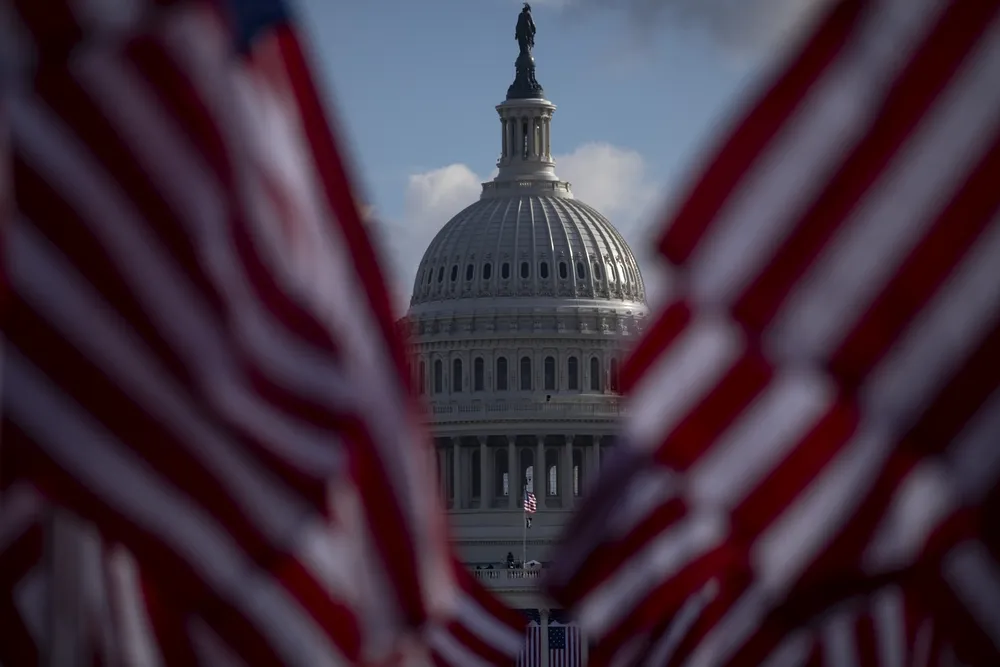
As the 2024 election cycle unfolds, the media is buzzing with hot-button topics, from healthcare and the economy to climate change and immigration. But beneath the surface, several crucial issues are being overlooked. These “silent issues” could significantly impact our future, yet they remain buried under mainstream debates. Here, we delve into some of these unspoken concerns, highlighting why they’re vital and how they may shape the America of tomorrow.
1. Water Scarcity and the Looming Crisis
America’s water crisis may seem distant for those outside drought-prone states, but it’s a pressing issue with nationwide implications. Regions in the Southwest, like California, Nevada, and Arizona, have faced severe droughts for years. The Colorado River, supplying drinking water to over 40 million people, has reached historic low levels. And it’s not just a Southwest issue; water shortages have cropped up in the Midwest and East Coast due to aging infrastructure, urban sprawl, and contamination issues.
Why aren’t candidates shouting about this from the rooftops? Because water scarcity demands uncomfortable solutions, such as stricter regulations on agricultural water use and a reevaluation of how states distribute water. With predictions suggesting that nearly half of the world’s population will live in areas of high water stress by 2025, we can’t afford to ignore it. America’s next leaders need to address the growing water crisis before it escalates into a full-blown catastrophe affecting food security, health, and overall economic stability.
2. Mental Health in America’s Workforce
Mental health has gained some traction, especially after the COVID-19 pandemic highlighted the strain it puts on individuals. However, the connection between mental health and workplace productivity—especially regarding the American workforce—is often missing in political conversations.
Recent studies show that untreated mental health conditions cost the U.S. economy around $200 billion annually due to lost productivity. Yet, mental health care remains insufficient, with long wait times and high costs preventing many Americans from seeking help. From burnout to depression, the mental health of our workforce deserves immediate attention. Policies supporting accessible, affordable mental health services for employees, mandatory mental health days, and workplace mental health training programs could transform the U.S. workforce, boosting productivity and overall economic health.
Without substantial policy changes, the mental health crisis in America’s workforce will persist, impacting job satisfaction, employee retention, and innovation—a reality our future leaders can’t afford to ignore.
3. Cybersecurity Vulnerabilities in a Hyper-Connected World
We live in an era where everything from our homes to our medical devices is connected to the internet. Yet, cybersecurity rarely takes center stage in election debates, despite its role as a linchpin in national security. Cyber-attacks against critical infrastructure, private businesses, and government institutions have skyrocketed, yet we’re still grappling with outdated policies.
The reality is grim: ransomware attacks have targeted hospitals, schools, and local governments, often leaving organizations paralyzed and at the mercy of hackers. With AI’s increasing role in creating sophisticated cyber threats, these attacks could become even more disruptive. The cybersecurity skills gap further complicates matters, as the U.S. lacks trained professionals to counteract the rising number of cyber threats.
The next administration must prioritize funding for cybersecurity, training programs, and public-private sector collaborations to shore up our digital defenses. Ignoring this issue risks not only individual privacy but also national security and economic stability.
4. AI and the Future of Employment
Artificial intelligence (AI) has been heralded as a game-changer, revolutionizing industries from healthcare to logistics. But while it’s true that AI brings significant advantages, it also threatens many jobs, especially in manufacturing, retail, and customer service.
Estimates suggest that AI could displace nearly 20 million U.S. workers by 2030, yet policies to address this disruption are nearly non-existent. How do we prepare for a future where millions of jobs might become obsolete? Training and education programs focusing on skills unlikely to be replaced by AI, like critical thinking, problem-solving, and interpersonal communication, are essential. Universal Basic Income (UBI) is another concept that could soften the blow for those affected by automation.
America’s political leaders need to confront AI’s impact on employment directly, implementing policies that support affected workers and equip the next generation with skills that AI can’t replace.
5. Educational Equity and the Digital Divide
COVID-19 highlighted a stark digital divide in America, with millions of children unable to access remote learning due to a lack of devices or internet access. Yet, digital inequity has been a problem for years, disproportionately affecting low-income and rural communities. The issue isn’t just about broadband; it’s about the future of our workforce and democracy.
Educational inequity, compounded by limited digital access, has long-term effects. Research indicates that children lacking internet access struggle to perform at grade level, reducing their chances of graduating and finding employment. With education increasingly shifting online, ensuring equitable access is critical for maintaining a competitive workforce.
Political candidates must address this gap by investing in broadband infrastructure, providing subsidies for low-income families, and ensuring schools are adequately equipped with technology resources. Ignoring this issue only perpetuates the cycle of poverty and prevents young Americans from reaching their full potential.
6. Housing Affordability Crisis Beyond Major Cities
Housing prices in cities like San Francisco and New York get plenty of coverage, but housing affordability is becoming a crisis in nearly every U.S. region. With rising rent costs, home prices, and stagnant wages, many Americans, especially in suburban and rural areas, are struggling to find affordable housing. Even individuals who qualify for assistance often face long waiting lists, as resources remain limited.
Despite the scope of the problem, affordable housing rarely appears in election discussions. Without meaningful action, more Americans will find themselves unable to afford housing, which can lead to increased homelessness, greater demand on social services, and decreased consumer spending. Solutions like rent controls, affordable housing initiatives, and incentivizing development for lower-income families could make a difference, but these topics remain on the fringes of campaign conversations.
It’s time for candidates to acknowledge the housing affordability crisis, recognizing that it impacts families across the nation—not just in major urban centers.
7. Aging Infrastructure and the Impending Transportation Crisis
The American Society of Civil Engineers recently gave U.S. infrastructure a “C-” grade, highlighting deteriorating roads, bridges, and public transportation systems. While infrastructure funding occasionally makes headlines, it’s often focused on urban areas and big-ticket projects, neglecting rural roads, small town bridges, and the critical role they play in the economy.
In some states, as many as 50% of bridges are structurally deficient, posing a serious risk to safety and logistics. The lack of investment in rural infrastructure impedes commerce, access to health services, and emergency response times. Updating our aging infrastructure can also drive economic growth, creating jobs and connecting underserved communities to opportunities.
This issue affects both safety and economic competitiveness, and it’s imperative that our leaders prioritize it with bold, actionable plans to modernize and maintain our transportation networks.
8. The Looming National Debt and Fiscal Responsibility
The U.S. national debt has soared to unprecedented levels, yet few candidates have addressed how they plan to manage it. America’s debt is a ticking time bomb, currently exceeding $33 trillion, with interest payments alone projected to soon outpace spending on critical programs like defense and Medicare.
While tax cuts and spending increases are popular topics during elections, these short-term policies often worsen the debt situation. The government will need to find a balance between maintaining essential programs and practicing fiscal responsibility. Failing to address the national debt could ultimately restrict the government’s ability to fund education, infrastructure, and other priorities in the future.
Our leaders need to talk honestly about the national debt and propose sustainable policies that curb excessive spending while prioritizing essential services. Responsible fiscal policy is vital for preserving America’s long-term economic health.
9. The Crisis of Loneliness and Social Isolation
Loneliness and social isolation have become a modern public health crisis, affecting young adults, seniors, and everyone in between. Research has shown that loneliness can be as damaging to health as smoking or obesity, increasing the risk of heart disease, mental health issues, and even premature death.
With the rise of remote work, the decrease in community involvement, and the growth of social media, Americans are becoming more isolated. The impact is evident, with higher rates of depression and anxiety, particularly among young people. Politicians have largely overlooked this silent epidemic, despite its effects on healthcare costs and overall societal well-being.
Leaders could address this issue by promoting community-based programs, mental health services, and policies encouraging social connection. Prioritizing this “silent epidemic” can contribute to a healthier, more connected society.
10. The Climate Refugee Crisis Within Our Borders
While climate change is frequently discussed, few candidates highlight the issue of domestic climate refugees—Americans forced to relocate due to natural disasters like wildfires, floods, and hurricanes. Many communities, particularly in low-income areas, lack the resources to recover and rebuild after repeated disasters, leaving residents with no choice but to move.
The migration of climate refugees is expected to accelerate in the coming years, posing challenges to housing, infrastructure, and public services in receiving areas. This internal migration can strain local economies and create a new wave of socio-economic challenges.
Addressing this issue requires proactive climate adaptation measures, disaster relief funding, and policies that help relocate displaced Americans with dignity. If ignored, the U.S. risks exacerbating poverty, homelessness, and social divides.
Conclusion: A Call for Comprehensive Dialogue
While high-profile topics like immigration and healthcare will continue to dominate the 2024 election, these overlooked issues are equally significant. Water scarcity, mental health in the workforce, cybersecurity vulnerabilities, and educational equity may not capture headlines, but they have the potential to shape America’s future profoundly.
For the candidates, addressing these “silent issues” isn’t just an opportunity to stand out; it’s a chance to demonstrate visionary leadership and advocate for sustainable change. As voters, we must demand that our future leaders bring these hidden concerns into the national conversation, ensuring that America’s future is secure, resilient, and equitable for all.
About The Author


