
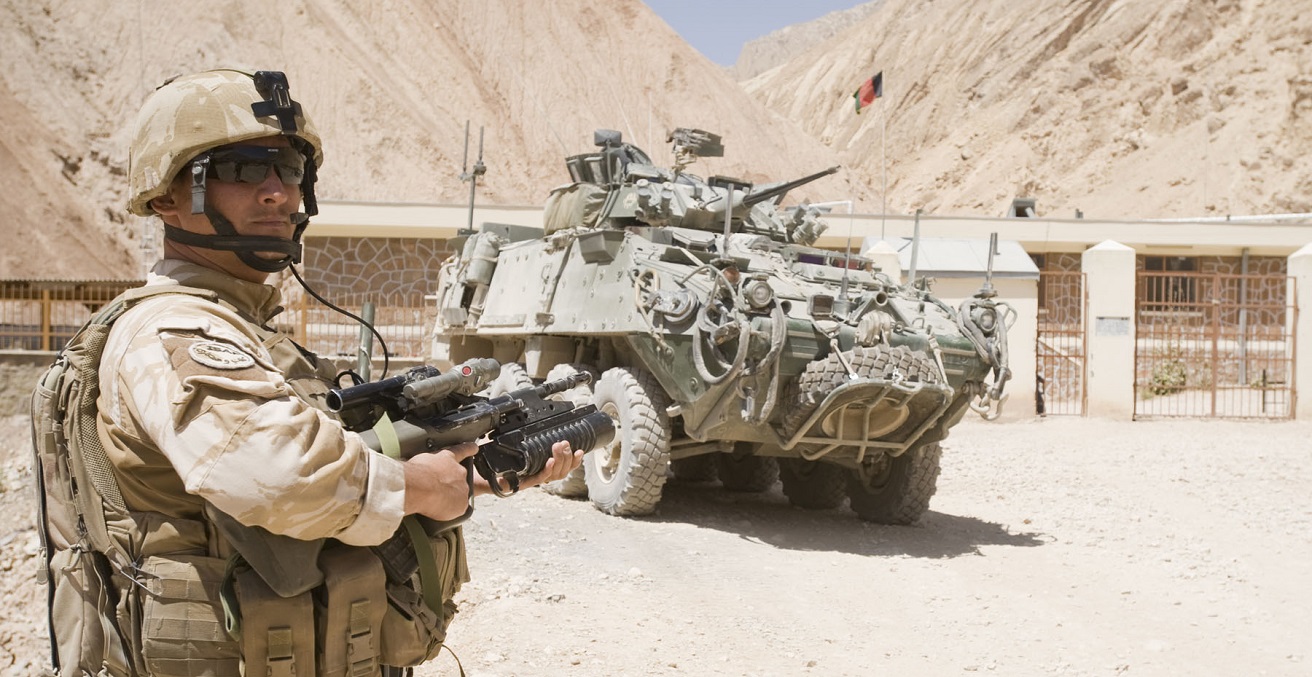
The Middle East, a region historically marked by geopolitical volatility, is currently experiencing heightened tensions that could potentially lead to catastrophic consequences. Recent events, including deadly exchanges between Israel and Iranian-backed groups, have brought the region to the brink of a broader conflict. The possibility of a nuclear confrontation, while unlikely, cannot be entirely dismissed given the volatile nature of the situation. This article explores the factors contributing to this precarious situation and examines the potential implications of a nuclear escalation.
Background of Iran-Israel Tensions
The hostility between Iran and Israel is rooted in a complex history of ideological, religious, and geopolitical conflicts. Iran, a predominantly Shia Muslim country, and Israel, a Jewish state, have long been adversaries, with Iran’s government consistently refusing to recognize Israel’s right to exist. The Iranian regime has supported various militant groups hostile to Israel, including Hezbollah in Lebanon and Hamas in Gaza, providing them with financial and military assistance.
Israel, in turn, perceives Iran as a significant threat, particularly due to its nuclear ambitions. Iran’s nuclear program has been a point of contention for decades, with Israel and other countries expressing concerns that Iran may seek to develop nuclear weapons. The Joint Comprehensive Plan of Action (JCPOA), commonly known as the Iran nuclear deal, aimed to curb Iran’s nuclear capabilities in exchange for lifting economic sanctions. However, the United States’ withdrawal from the JCPOA in 2018, under then-President Donald Trump, and Iran’s subsequent resumption of certain nuclear activities have reignited fears of a nuclear arms race in the region.
Recent Developments and Escalations
The current escalation can be traced back to a series of recent incidents that have exacerbated the already fraught relations between Iran and Israel. In August 2024, an Israeli strike in a crowded residential area of South Beirut killed a high-ranking Hezbollah commander, Fuad Shukr. The attack also resulted in the deaths of five civilians, including women and children. This incident marked a significant escalation, as it broke the previously observed unofficial rule of limiting strikes to border areas and military targets.
In response, Iran signaled a shift in strategy, with its mission to the United Nations indicating that Hezbollah might expand its range of targets and not limit its retaliatory actions to military sites. The killing of Ismail Haniyeh, the political leader of Hamas, in a separate strike in Tehran further inflamed tensions. Israel did not officially comment on the operation, but the Iranian Revolutionary Guards confirmed the incident, leading to widespread condemnation from Iranian-backed groups.
The United States, concerned about the potential for a wider conflict, announced the deployment of additional military assets to the Middle East. The Pentagon emphasized that this move was intended to deter any potential escalation by Iran or its proxies. The bolstering of U.S. forces in the region underscores the seriousness with which the international community views the unfolding situation.
The Risk of Nuclear Conflict
The possibility of a nuclear conflict between Iran and Israel, while currently considered low, remains a significant concern. Israel is widely believed to possess a nuclear arsenal, although it has never officially confirmed this. Iran, on the other hand, insists that its nuclear program is for peaceful purposes. However, the ambiguity surrounding Iran’s nuclear activities and its previous breaches of the JCPOA’s terms have led to widespread skepticism.
A nuclear conflict could arise from a miscalculation or escalation of conventional military engagements. For instance, if Iran were to retaliate with ballistic missile strikes against Israel, there could be pressure on the Israeli government to respond decisively, potentially including the use of nuclear weapons. The use of nuclear weapons would have catastrophic consequences, not only for the immediate region but also for global security and stability.
The presence of other actors in the region, such as Hezbollah and Hamas, further complicates the situation. These groups could act independently or with Iranian support, targeting Israeli cities and infrastructure. Israel’s missile defense systems, while robust, may not be able to intercept all incoming threats, leading to significant civilian casualties and damage. Such a scenario could increase the likelihood of a broader conflict, potentially drawing in other regional and global powers.
International Response and Mitigation Efforts
The international community has expressed deep concern over the rising tensions between Iran and Israel. The United Nations and various world leaders have called for restraint and dialogue to prevent further escalation. Diplomatic efforts have focused on reviving the JCPOA and addressing Iran’s nuclear program comprehensively. However, the divergent interests of key stakeholders, including the United States, the European Union, Russia, and China, complicate these efforts.
The role of the United States is particularly crucial in this context. The U.S. has historically been a strong ally of Israel and has provided significant military and economic support. At the same time, the U.S. has sought to limit Iran’s influence in the region through sanctions and diplomatic pressure. The current U.S. administration’s approach to the Iran-Israel conflict will be critical in shaping the future trajectory of the region.
Conclusion
The prospect of a nuclear conflict between Iran and Israel, while unlikely, is a stark reminder of the high stakes involved in the region’s ongoing geopolitical tensions. The recent escalation of violence, including targeted killings and retaliatory strikes, highlights the fragile nature of the situation. The potential for miscalculations or unintended escalations remains a grave concern, necessitating careful diplomatic engagement and robust conflict prevention measures.
Ultimately, the path to lasting peace and stability in the Middle East requires addressing the root causes of the Iran-Israel conflict. This includes finding a resolution to the Israeli-Palestinian issue, ensuring the peaceful use of nuclear technology, and fostering regional cooperation. The international community must remain vigilant and proactive in preventing the worst-case scenario—a nuclear war that would have devastating consequences for the entire world.
As the situation continues to evolve, it is imperative for all parties involved to exercise restraint and pursue diplomatic solutions. The lessons of history underscore the importance of dialogue over confrontation and the need for a collective commitment to peace and security. The world watches with bated breath, hoping that cooler heads will prevail and that the shadow of nuclear conflict will not darken the Middle East’s already troubled horizon.
About The Author


