
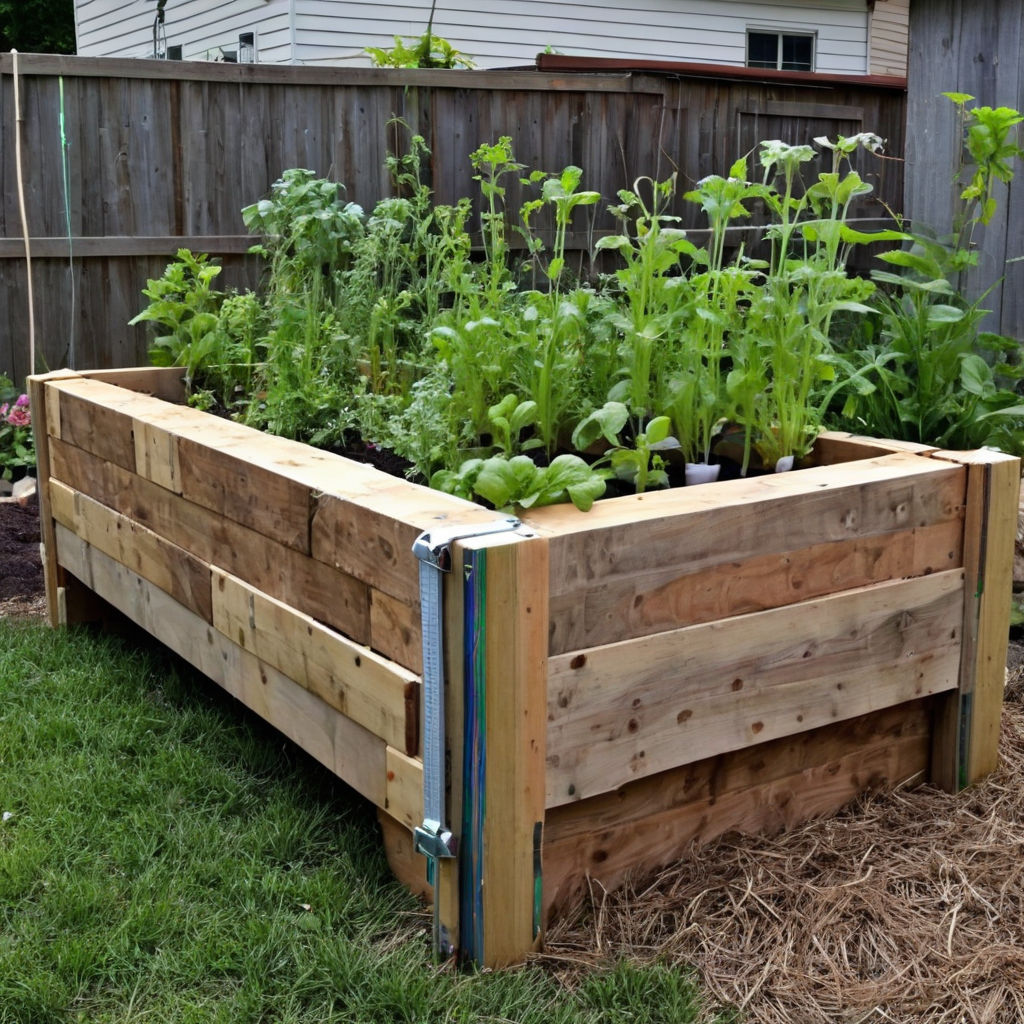
Dreaming of a flourishing garden but lacking the space or budget? Look no further than the concept of raised garden beds! These elevated planters offer a multitude of benefits, including improved drainage, easier weed control, and extended growing seasons. But here’s the best part: you can create a beautiful and functional raised garden bed using readily available recycled materials.
This guide empowers you to embrace sustainability and transform everyday discards into lush havens for your plants. So, grab your tools, unleash your inner eco-warrior, and get ready to build a raised garden bed that’s kind to both your wallet and the environment!
Why Choose Raised Garden Beds?
Raised garden beds offer several advantages over traditional in-ground gardening:
- Improved Drainage: Elevated beds prevent waterlogging, crucial for healthy root development in most plants.
- Enhanced Soil Quality: You control the soil content, creating an ideal environment for your chosen plants.
- Easier Weed Control: Raised beds create a physical barrier against weeds, reducing maintenance chores.
- Warmer Soil Temperatures: Soil in raised beds tends to warm up faster in spring, extending your growing season.
- Reduced Back Strain: The elevated design allows for comfortable gardening without excessive bending.
- Aesthetic Appeal: Raised beds add a touch of visual interest and definition to your outdoor space.
Planning Your Recycled Raised Garden Bed Project:
Before diving into the building process, consider these factors:
- Location: Choose a sunny spot with at least 6-8 hours of direct sunlight daily. Ensure easy access for watering and maintenance.
- Size and Shape: Determine the size of your raised bed based on the space available and the plants you intend to grow. Rectangular beds are popular, but you can get creative with shapes like L-shaped or hexagonal beds if space allows.
- Material Selection: This is where the recycling magic comes in! Explore the possibilities discussed below.
Recycled Materials for Your Raised Garden Bed:
- Pallets: Readily available and free, wooden pallets can be deconstructed and repurposed as raised bed walls. Choose untreated pallets that haven’t been exposed to harmful chemicals. Sand down any rough edges before using them.
- Bricks: Leftover bricks from a previous project can be stacked to create a sturdy and attractive raised bed. Ensure the bricks are stable and level.
- Recycled Wood: Salvaged lumber from old furniture, fence posts, or scrap wood can be transformed into raised bed walls. Make sure the wood is untreated and cut to the desired size.
- Tires: While not the most aesthetically pleasing option, used tires can be stacked and filled with soil to create a raised bed. Ensure proper drainage by drilling holes in the bottom of the tires.
- Breathable Fabric: For a more flexible option, consider using a heavy-duty, weed-blocking fabric to create raised beds from recycled materials like straw bales or cardboard boxes.
Building Your Recycled Raised Garden Bed (Step-by-Step):
Using Pallets:
- Gather Materials: Pallets, hammer, nails, saw (optional), screwdriver (optional), staple gun (optional), weed barrier fabric (optional).
- Disassemble Pallets: Carefully disassemble the pallets, removing any loose nails or staples. You may need to cut some boards to achieve the desired bed height. Sand down any rough edges.
- Assemble the Walls: Lay the pallet boards flat, creating a rectangular shape. Secure the boards together using nails or screws.
- Line the Bed (Optional): If using untreated wood, consider lining the inside walls with weed barrier fabric to prevent soil erosion and weed growth. Staple or tack the fabric securely to the inside of the wooden frame.
- Fill the Bed: Fill your raised bed with a high-quality potting mix or a mixture of garden soil, compost, and organic matter.
Using Other Recycled Materials:
The basic steps remain similar for other materials. Stack bricks or recycled wood to create the desired height and secure them with mortar or nails, respectively. For tires, ensure proper drainage and consider lining them with weed barrier fabric before filling them with soil. When using breathable fabric like burlap or landscaping fabric, create a frame from stakes or recycled wood and secure the fabric around it, creating a container for your soil mix.
Additional Tips for Success:
- Drainage: Regardless of the material you choose, ensure proper drainage by creating holes in the bottom of the raised bed to prevent waterlogging.
- Soil Quality: Invest in a good quality potting mix or create your own soil blend using garden soil, compost, and organic matter.
Mulching: Apply a layer of mulch around your plants to retain moisture, suppress weeds, and regulate soil temperature. - Plant Selection: Choose plants that thrive in raised beds and consider your local climate.
- Watering: Water your plants regularly, especially during hot and dry periods. Raised beds tend to dry out faster than in-ground gardens.
- Maintenance: Regularly remove weeds, monitor for pests, and fertilize your plants as needed.
- The Joy of Recycled Gardening:
Building a raised garden bed with recycled materials offers a multitude of benefits. You not only save money and reduce waste, but you also contribute to a more sustainable future. Witnessing your plants flourish in a garden you created using everyday discards adds a unique layer of satisfaction to the harvest. So, unleash your creativity, embrace the spirit of upcycling, and embark on this rewarding journey of growing green and saving green!
Beyond the Basics: - While this guide focuses on the core principles, feel free to personalize your raised garden bed project:
- Vertical Gardening: Consider adding a vertical gardening component using recycled materials like chicken wire or mesh to maximize space and grow climbing plants.
- Composting: Create a dedicated compost bin using recycled materials to turn kitchen scraps and yard waste into nutrient-rich fertilizer for your raised bed.
- Decorative Touches: Personalize your raised bed with painted designs, decorative stones, or repurposed materials like old watering cans or birdbaths.
Embrace the Upcycled Garden Lifestyle:
Building a raised garden bed with recycled materials is just the beginning. As you delve deeper into gardening, discover the numerous ways to incorporate sustainability into your practice. Explore water conservation techniques, create natural pest repellents, and continue to find innovative ways to reuse and upcycle in your garden. Remember, a thriving garden isn’t just about the plants; it’s about fostering a harmonious relationship with nature and embracing eco-conscious practices.
So, get creative, have fun, and let your recycled raised garden bed become a vibrant testament to your love for gardening and the environment!
About The Author


