
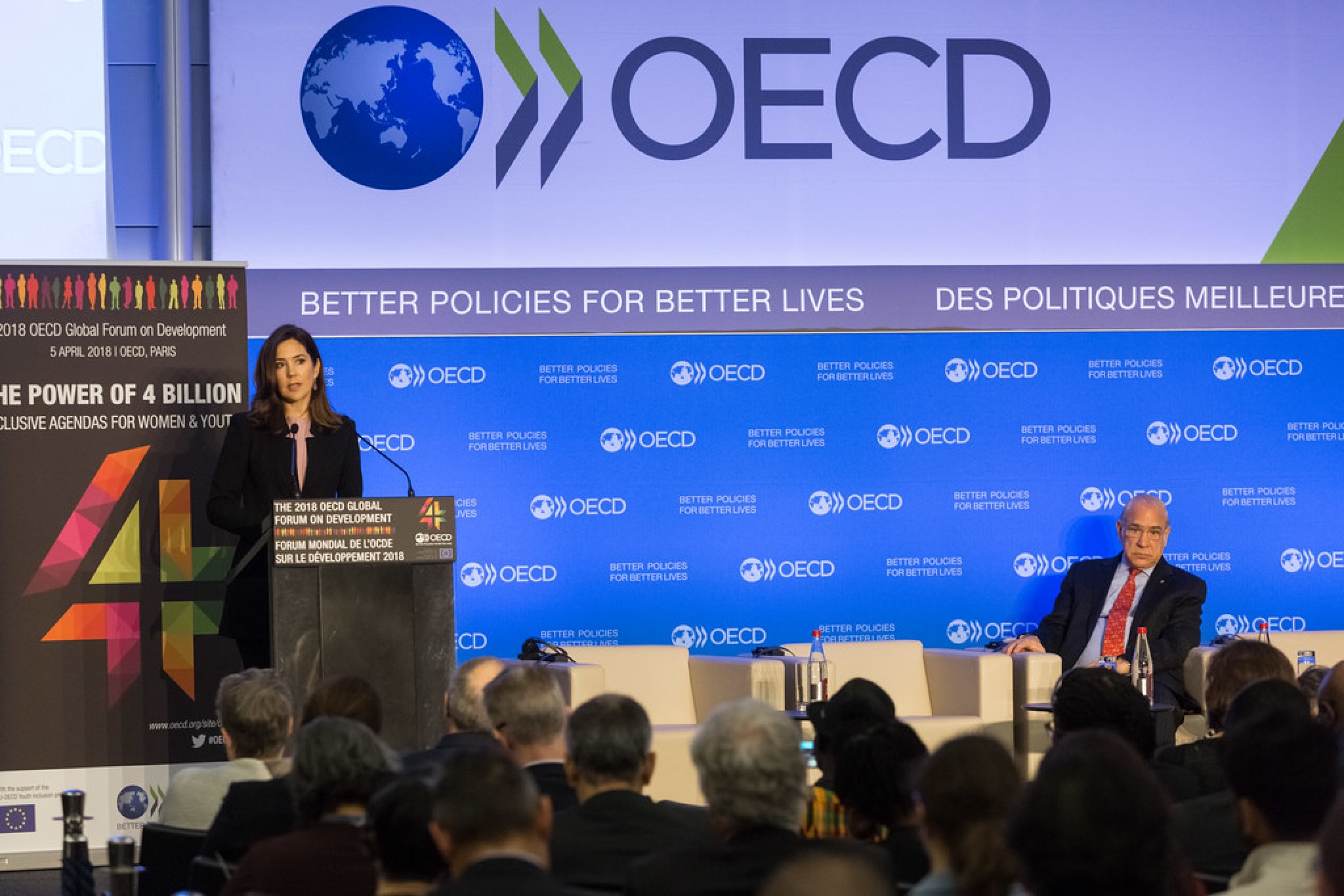
In a significant development, the Organisation for Economic Co-operation and Development (OECD) has reported that affluent nations are on track to fulfill the $100 billion climate finance goal. This pivotal commitment, aimed at supporting developing countries in their climate change mitigation and adaptation efforts, has been a subject of intense global scrutiny.
The OECD’s latest findings reveal a positive trajectory, indicating that the financial pledges made by rich nations to combat climate change have likely been met. This revelation comes as a ray of hope amid the pressing challenges posed by environmental degradation and the urgent need for collaborative, international action.
Optimism Amidst Challenges
The road to achieving the $100 billion target has not been without its hurdles. Climate finance, a critical component of global climate action, requires concerted efforts from the international community. The OECD’s optimism is rooted in the substantial contributions made by wealthy nations to address the adverse impacts of climate change on vulnerable economies.
A Collaborative Endeavor
The report underscores the importance of collaborative endeavors in the face of a rapidly changing climate. Developed nations, often the primary contributors to carbon emissions, have recognized the need to support their less affluent counterparts in building resilience and transitioning to sustainable practices.
A Paradigm Shift in Climate Finance
The success in reaching the $100 billion milestone signals a paradigm shift in climate finance dynamics. This achievement is not merely about meeting a financial target but reflects a global commitment to address the profound challenges posed by climate change collectively. The funds allocated are poised to facilitate technology transfers, capacity building, and the implementation of sustainable projects worldwide.
Impact on Developing Nations
Developing nations stand to benefit significantly from this positive development. The financial support pledged by rich countries can empower vulnerable regions to implement climate-friendly policies, enhance infrastructure resilience, and adapt to the changing climate patterns. This, in turn, fosters a more inclusive and sustainable global approach to combating climate change.
Calls for Sustained Commitment
While celebrating the progress made, the OECD report also emphasizes the importance of sustained commitment from affluent nations. The $100 billion goal is a crucial benchmark, but ongoing efforts are necessary to address the evolving challenges of climate change comprehensively.
Conclusion: A Step in the Right Direction
In conclusion, the OECD’s report brings forth encouraging news in the realm of climate finance. The likely fulfillment of the $100 billion goal signifies a step in the right direction for global climate action. As nations continue to grapple with the multifaceted challenges of climate change, this positive development instills hope for a future where international cooperation and financial commitment prevail in safeguarding our planet.
About The Author


