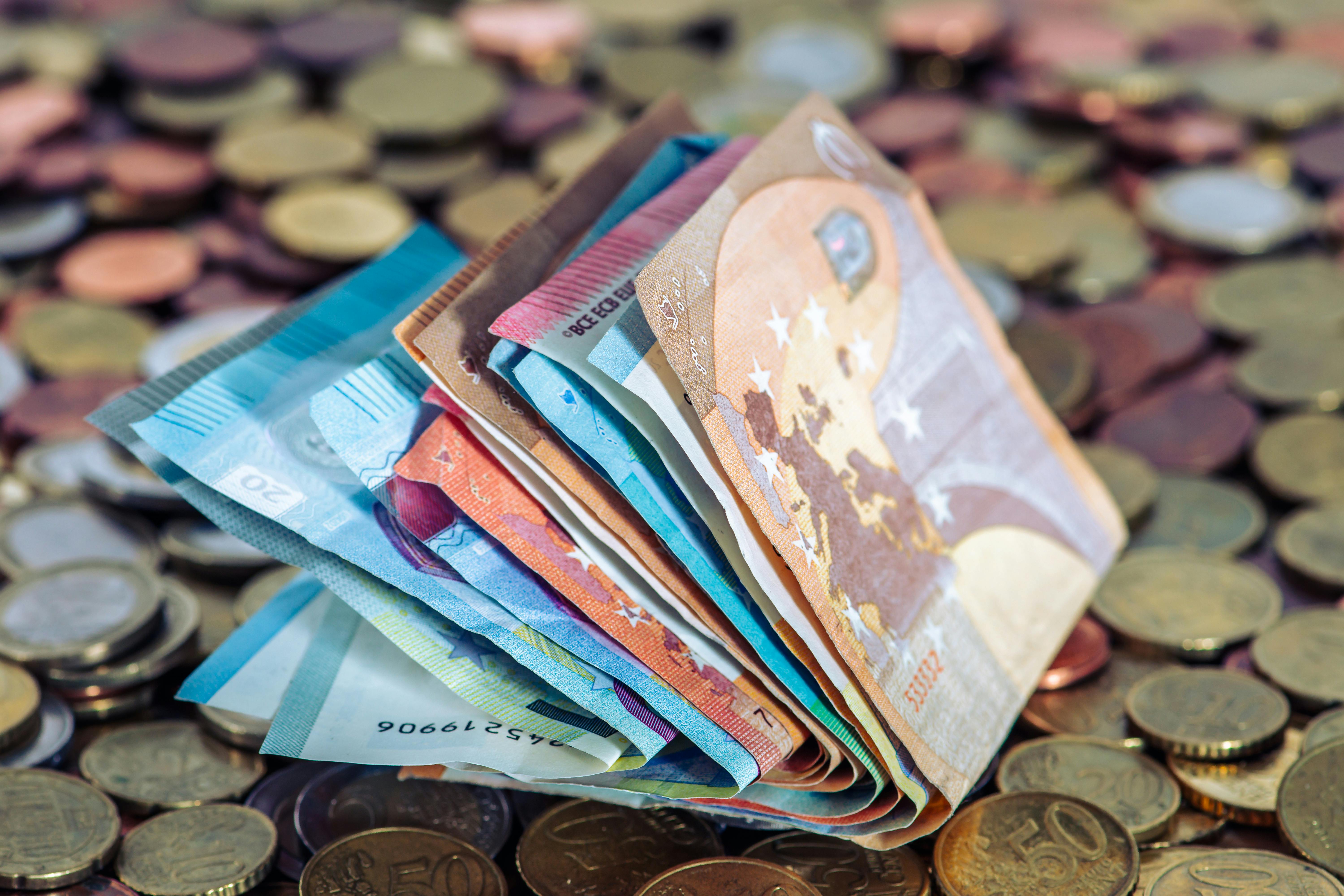
In the modern world, the line between economics and geopolitics is increasingly blurred. Economic policy is no longer only about domestic growth, inflation management, or fiscal stability—it has become one of the most powerful tools states use to project influence, build alliances, and deter adversaries. This phenomenon, often described as economic policy geopolitics, highlights how decisions on trade, investment, sanctions, and industrial strategies reshape international power dynamics.
From the Marshall Plan after World War II to the recent U.S.-China trade war, economic tools have proven central to geopolitical strategies. Whether through sanctions, subsidies, or regional trade agreements, governments now deploy policies to secure supply chains, strengthen alliances, and counter rivals. Understanding these connections is critical for policymakers, businesses, and citizens navigating an increasingly multipolar global order.
The Historical Nexus Between Economics and Geopolitics
The Cold War Era
- The U.S. used economic aid (Marshall Plan) to rebuild Western Europe and prevent Soviet expansion.
- The Soviet Union created the Council for Mutual Economic Assistance (Comecon) to keep Eastern Bloc economies under its influence.
- Economic blocs reflected ideological divides, demonstrating how deeply policy choices tied into strategic goals.
- The Marshall Plan provided over $12 billion in aid to help rebuild European economies.
- Comecon aimed to coordinate the economic development of Eastern Bloc countries in alignment with Soviet objectives.
- The integration of Western European economies led to the establishment of the European Economic Community (EEC).
- Economic competition intensified the Cold War, influencing military spending and technological advancement.
- The disparity in economic recovery between East and West contributed to long-term political tensions in Europe.
Post-Cold War Globalization
- Liberal economic policies promoted by the U.S. and institutions like the IMF and World Bank created a globalized order.
- Trade liberalization, deregulation, and financial integration deepened interdependence but also created vulnerabilities.
- Emerging economies, especially China, used open markets to rise economically, reshaping global power balances.
- Increased foreign direct investment facilitated economic growth in developing countries.
- The establishment of free trade agreements reduced tariffs and fostered cross-border trade.
- Technology transfer between countries accelerated due to globalization and open markets.
- Financial crises revealed the risks associated with interconnected economies and markets.
- Multinational corporations expanded their reach, influencing labor practices and environmental standards globally.
Key Channels Through Which Economic Policies Shape Geopolitics
1. Trade Policy as Strategic Leverage
- Tariffs, quotas, and trade agreements can strengthen alliances or weaken rivals.
- Example: The U.S.-China tariff war disrupted global supply chains while signaling Washington’s intent to counter Beijing’s industrial policies.
- Trade agreements such as the Regional Comprehensive Economic Partnership (RCEP) or the USMCA illustrate how economic arrangements extend geopolitical influence.
- Tariffs can be used strategically to protect domestic industries and employment.
- Example: The imposition of tariffs on steel and aluminum imports reshaped the U.S. manufacturing landscape.
- Quotas can limit foreign competition, ensuring market stability for local businesses.
- Example: The European Union’s Common Agricultural Policy regulates agricultural imports to support local farmers.
- Trade agreements often come with provisions that encourage foreign investment and technology transfer.
- Example: The Trans-Pacific Partnership (TPP) aimed to lower trade barriers while enhancing labor and environmental standards among member countries.
- Cooperation through trade can lead to stronger diplomatic ties and mutual understanding between nations.
2. Sanctions as a Geopolitical Weapon
- Sanctions are among the most direct ways economic policy intersects with geopolitics.
- The U.S. and EU sanctions against Russia after the 2014 Crimea annexation, and their expansion after the 2022 Ukraine invasion, reshaped global energy markets.
- Sanctions also affect financial systems—blocking access to SWIFT or freezing assets can isolate entire economies.
- Economic sanctions can lead to higher prices for consumers as supply chains are disrupted.
- They can also create diplomatic tensions between countries that may have previously cooperated.
- Targeted sanctions aim to minimize collateral damage on civilian populations while still applying pressure on government officials.
- Sanctions can encourage countries to seek alternative alliances or economic partnerships.
- The effectiveness of sanctions is often debated, with some arguing they are a necessary tool for collective security and others claiming they are largely ineffective.
3. Industrial and Innovation Policy
- Nations increasingly use industrial policy to secure technological and economic advantage.
- The U.S. CHIPS and Science Act (2022) aimed at boosting domestic semiconductor manufacturing.
- China’s Made in China 2025 seeks self-sufficiency in advanced technologies, directly challenging U.S. dominance.
- Such policies directly impact geopolitical alignments, as nations seek reliable partners in sensitive industries.
- The EU’s Green Deal aims to lead in sustainable technology and renewable energy sectors.
- Japan’s focus on robotics and AI reflects its aim to maintain a competitive edge in the global market.
- South Korea invests heavily in biotechnology and 5G technology to foster innovation and growth.
- India’s initiatives in electronics manufacturing are designed to make it a global hub for tech production.
- Countries are increasingly forming alliances to enhance collaborative technological ventures.
- International trade agreements increasingly include provisions related to technology transfer and industrial policy.
4. Energy and Resource Policies
- Control over energy resources has long been a cornerstone of global geopolitics.
- OPEC’s oil embargo in the 1970s demonstrated how resource policies could reshape world politics.
- Today, the global energy transition—towards renewables, rare earth minerals, and green technologies—creates new geopolitical dependencies.
- Nations like China dominate rare earth supplies, while the Middle East seeks to diversify economies to retain influence.
- Energy security has become a primary concern for many countries, influencing military alliances and trade agreements.
- The rise of electric vehicles has shifted demand from oil to lithium and cobalt, creating different geopolitical dynamics.
- Countries rich in fossil fuels are often at the center of international conflicts, as energy needs drive tensions.
- Global competition for energy resources has prompted nations to invest heavily in alternative energy technologies.
5. Currency and Monetary Policies
- The U.S. dollar’s role as the world’s reserve currency gives Washington unparalleled geopolitical power.
- By controlling dollar liquidity and financial institutions, the U.S. can pressure adversaries without direct military confrontation.
- China’s push to internationalize the yuan, including through digital currencies, reflects its ambition to reduce dollar dependency.
- European nations rely heavily on the dollar for international trade, reinforcing its dominance.
- Global commodities, such as oil and gold, are typically priced in dollars, maintaining its status.
- Many countries hold U.S. dollars in reserve to stabilize their own currencies and economies.
- The swift imposition of sanctions using the dollar can cripple opponents’ economies almost instantly.
- Other currencies have struggled to gain traction as alternatives to the dollar for global transactions.
- The U.S. benefits from “seigniorage,” the profit made from issuing currency, enhancing its economic strength.

6. Debt Diplomacy and Financial Aid
- Loans, aid, and development financing often come with political strings attached.
- China’s Belt and Road Initiative (BRI) finances infrastructure in Africa, Asia, and Latin America, increasing Beijing’s leverage.
- The U.S. and EU counter with initiatives like the Partnership for Global Infrastructure and Investment (PGII).
- Debt can create dependency—Sri Lanka’s Hambantota port is often cited as a case where financial policy translated into strategic gain.
- Many countries face challenges when choosing between competing financing models from global powers.
- Chinese investments often include not just funds, but also labor and expertise, which may lead to job displacement locally.
- The geopolitical implications of debt dependency can reshape alliances and influence international negotiations.
- Aid packages are sometimes tied to the import of goods and services from donor countries, limiting local economic growth.
- Infrastructure projects can result in environmental impacts, leading to pushback from local communities and international activists.
Case Studies in Economic Policy Geopolitics
The U.S.-China Trade War
- The Trump administration’s tariffs (2018–2019) highlighted how trade tools can be used to challenge a rival’s rise.
- Result: Supply chains diversified, but global inflationary pressures also increased.
- Long-term effect: Push for “decoupling” and “de-risking” in sensitive sectors like semiconductors.
- The tariffs stirred debates about fair trade practices and their implications on global commerce.
- Increased scrutiny on foreign investments in critical industries characterized the following years.
- Economists forecast shifts in international trade alliances as countries reassess relationships.
- The trade policies prompted many companies to relocate manufacturing to other countries.
Russia and Energy Sanctions
- Europe’s reliance on Russian gas created vulnerabilities.
- After 2022, EU policy shifted towards LNG imports from the U.S. and investments in renewables.
- Russia redirected exports to China and India, reshaping energy geopolitics.
- Increased focus on energy independence among EU member states.
- Development of alternative pipeline routes to bypass Russian gas.
- Rising interest in hydrogen as a clean energy source.
- Stricter regulations on carbon emissions driving transition to green energy.
- Energy efficiency measures implemented across various sectors.
The EU’s Strategic Autonomy Push
- Through industrial and digital regulations (GDPR, Digital Markets Act), the EU asserts its role as a regulatory superpower.
- This demonstrates how economic policies create geopolitical influence even without hard military power.
Global Impacts of Economic Policy Geopolitics
1. Fragmentation of Globalization
- Rising protectionism and sanctions fragment the global economy into rival blocs.
- Supply chains increasingly reflect security priorities, not just cost efficiency.
2. Emergence of Economic Blocs
- U.S.-led alliances vs. China-centric networks reshape global commerce.
- RCEP, BRICS, and G7 initiatives are expressions of competing visions.
3. Innovation Competition
- Nations pour resources into AI, biotech, and green technologies.
- Innovation races resemble Cold War-era arms races, but with economic and societal implications.
4. Risks of Economic Weaponization
- Overuse of sanctions or tariffs risks backfiring by driving countries closer to rivals.
- For example, Russia’s sanctions deepened its ties with China and non-Western economies.
5. Impacts on the Global South
- Developing nations face difficult choices: align with U.S. and Western systems, or accept Chinese financing.
- Economic tools determine access to markets, technologies, and infrastructure.
The Future of Economic Policy in Geopolitics
1. Geoeconomic Multipolarity
- U.S., China, EU, India, and others will all leverage economic tools, making competition less binary.
2. Green Geopolitics
- Transition to renewables and climate policies will reshape alliances, especially as nations seek critical minerals.
3. Digital Economy as a New Battleground
- Data flows, digital taxation, and AI governance will increasingly define geopolitical disputes.
4. Currency Rivalries
- The rise of central bank digital currencies (CBDCs) may weaken dollar dominance, giving more nations tools for economic independence.
5. Resilient Supply Chains
- Nations will prioritize “friend-shoring” and regionalization to balance efficiency with security.
Conclusion
The interplay of economic policy and geopolitics has never been more significant. In an era where wars are costly and nuclear deterrence limits direct conflict, economic policies serve as the new frontlines of power struggles. Trade wars, sanctions, industrial strategies, and currency policies not only influence domestic economies but also reconfigure global alliances and rivalries.
For governments, this means economic planning cannot be separated from strategic considerations. For businesses, it requires careful navigation of regulatory landscapes, supply chain risks, and shifting alliances. For citizens, it underscores how global politics increasingly shape local prosperity.
The next decades will likely see intensified competition over resources, technologies, and markets—making economic policy geopolitics one of the defining forces of the 21st century.
Sources
- https://csis.org
- https://brookings.edu
- https://weforum.org
- https://belfercenter.org
- https://scmp.com
- https://foreignaffairs.com
About The Author