
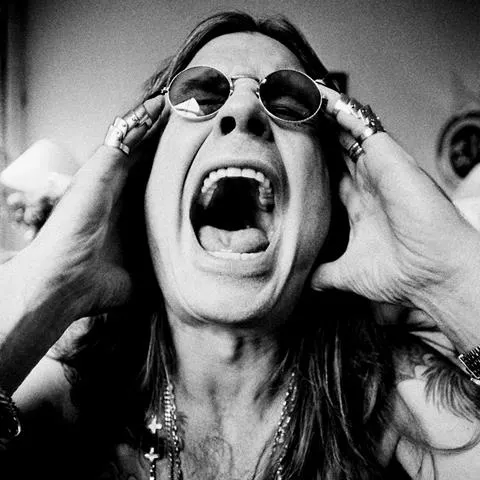
Known for his groundbreaking work that helped define the heavy metal genre, Osbourne’s six-decade career included over 100 million album sales, a successful solo legacy, and a cultural impact that reshaped music, fashion, and performance art.
By Namith DP | July 23, 2025
Introduction
Ozzy Osbourne, the pioneering frontman of Black Sabbath and one of the most influential figures in modern music, died on July 22, 2025, at the age of 76. He passed away at his home in Buckinghamshire, England, following years of declining health due to Parkinson’s disease and spinal complications. His death was confirmed by his family, who released a brief statement requesting privacy.
Osbourne leaves behind a six-decade legacy that reshaped the global music industry, gave birth to heavy metal, and altered public perceptions of rock as both art and identity.
How Black Sabbath Redefined Rock Music
From Birmingham Factories to Global Stages

Formed in 1968 in Birmingham by Ozzy Osbourne, Tony Iommi, Geezer Butler, and Bill Ward, Black Sabbath is widely credited with creating the foundation of heavy metal. Their debut album, Black Sabbath (1970), introduced a darker, more ominous sound that stood in stark contrast to the psychedelic and blues rock that dominated the era.
Innovations That Changed the Genre Permanently
- Lyrical Themes: Unlike their peers, Black Sabbath tackled subjects such as war, insanity, religious fear, and industrial alienation. Songs like “War Pigs” and “Paranoid” reflected public anxiety in Cold War-era Britain.
- Sound Engineering: Guitarist Tony Iommi’s industrial accident forced him to detune his guitar, creating the low, sludgy tones that became the sonic bedrock of heavy metal. The use of tritone intervals—musical progressions historically considered dissonant or “evil”—added to their unique atmosphere.
- Structure and Rhythm: Rejecting conventional verse-chorus formulas, many Sabbath tracks were built with multiple tempo changes, extended instrumental passages, and progressive transitions. “Symptom of the Universe” and “Fairies Wear Boots” showcased this approach.
- Cultural Aesthetics: The band’s look—dark clothing, inverted crosses, and occult imagery—helped define heavy metal’s visual lexicon. Osbourne’s unfiltered stage presence added to the sense of unpredictability and intensity.
“Black Sabbath didn’t just play louder—they played differently,” noted music critic Simon Reynolds in The Guardian (2023). “They shifted the emotional tone of rock from euphoria to dread.”
By 1973, Black Sabbath had sold over 8 million albums worldwide and laid the groundwork for at least four subgenres of metal: doom, sludge, stoner, and black metal. Their influence extends to bands such as Metallica, Slayer, Iron Maiden, and Alice in Chains.
Solo Career: Reinvention and Endurance
Osbourne’s solo career began in 1980 following his dismissal from Black Sabbath due to substance abuse and internal disagreements. His debut album, Blizzard of Ozz, was a commercial and critical success, selling over 5 million copies in the U.S. alone.
Key Milestones
- Iconic Tracks: “Crazy Train,” “Mr. Crowley,” and “Flying High Again” became anthems across arenas and airwaves.
- Collaborators: Worked with notable guitarists including Randy Rhoads, Zakk Wylde, and Jake E. Lee.
- Album Sales: His solo discography contributed to his total career sales of over 100 million records.
- Awards: Won a Grammy Award for Best Metal Performance and was inducted into the Rock and Roll Hall of Fame twice—once with Black Sabbath (2006) and again as a solo artist (2024).
Osbourne sustained relevance through genre adaptability and honest public engagement. Even in the streaming era, his 2022 album Patient Number 9 earned both commercial and critical acclaim, debuting at No. 1 on Billboard’s Top Rock Albums chart.
Health Struggles and Retirement
Parkinson’s and Spinal Injuries
In January 2020, Osbourne publicly revealed his diagnosis with Parkinson’s disease, first identified in 2019. His health rapidly declined over the next five years, including multiple surgeries following spinal injuries from a fall.
- In 2023, he announced the cancellation of all scheduled tours, stating he was “not physically capable” of the demands of live performance.
- Appearances in 2024 and 2025 were limited and heavily assisted.
Final Concert: “Back to the Beginning”

Despite severe health setbacks, Osbourne performed his final public concert on July 5, 2025, in Birmingham. The event, titled “Back to the Beginning,” took place at Villa Park, the stadium of his favorite football club, Aston Villa.
Highlights
- The show reunited Black Sabbath’s original members: Iommi, Butler, and Ward.
- Osbourne performed seated but remained vocally capable. His final words on stage: “This is where it all started—and this is where it ends. Thank you for every moment.”
- The concert raised £140 million for Parkinson’s research charities.
- Over 45,000 fans attended. A filmed version of the show is scheduled for release in 2026 as a feature-length concert documentary.
Death and Official Statement
Osbourne died on July 22, 2025, at his home in Buckinghamshire. He was surrounded by his wife, Sharon, and their children, Aimee, Kelly, and Jack.
“Ozzy was more than a performer—he was a father, a husband, and a fighter,” said Sharon Osbourne in the family’s statement. “We are devastated by this loss and ask for privacy as we mourn.”
The cause of death was not officially disclosed, but sources close to the family confirmed it was related to long-term neurological and spinal conditions.
Industry Reactions
Tributes poured in from across music, sports, and entertainment.
- Elton John: “He changed music forever and did it on his own terms.”
- Coldplay: Dedicated their July 22 concert in Nashville to Osbourne, performing a rendition of Black Sabbath’s “Changes.”
- Metallica: Called him “the blueprint for all of us.”
Sports Community
- Aston Villa FC held a pre-match moment of silence.
- MLB and NFL teams shared tribute videos, often featuring “Crazy Train” as background music.
Cultural Impact Beyond Music
Osbourne extended his legacy beyond the stage:
- Television: His reality show The Osbournes (2002–2005) averaged over 7 million viewers per episode and redefined celebrity reality programming.
- Philanthropy: Through the Osbourne Family Foundation, he supported Parkinson’s research, addiction recovery programs, and mental health awareness.
- Public Advocacy: He became an outspoken voice on health, aging, and sobriety.
Profile Summary
| Field | Details |
|---|---|
| Full Name | John Michael Osbourne |
| Date of Birth | December 3, 1948 – Birmingham, England |
| Date of Death | July 22, 2025 – Buckinghamshire, England |
| Age | 76 |
| Key Albums | Paranoid, Blizzard of Ozz, Patient Number 9 |
| Major Awards | 2x Rock & Roll Hall of Fame inductee, Grammy Award |
| Genres | Heavy Metal, Hard Rock, Doom Metal |
| Total Records Sold | 100M+ across solo and band career |
Conclusion
Ozzy Osbourne’s death marks the end of one of the most transformative careers in modern music history. Through Black Sabbath, he redefined rock music’s sound, themes, and scope. Through his solo work, he expanded its commercial reach. And through his honesty—about addiction, illness, and vulnerability—he remained one of the most relatable figures in an industry often marked by spectacle.
He did not just influence a genre—he helped create one. And now, as the final chapter closes, the legacy of Ozzy Osbourne remains secured: enduring, influential, and unmistakably original.
For more news on media read –
About The Author





RIP Ozzy, you will be missed
[…] Remembering Ozzy Osbourne: A Musical Pioneer […]
[…] Remembering Ozzy Osbourne: A Musical Pioneer […]