
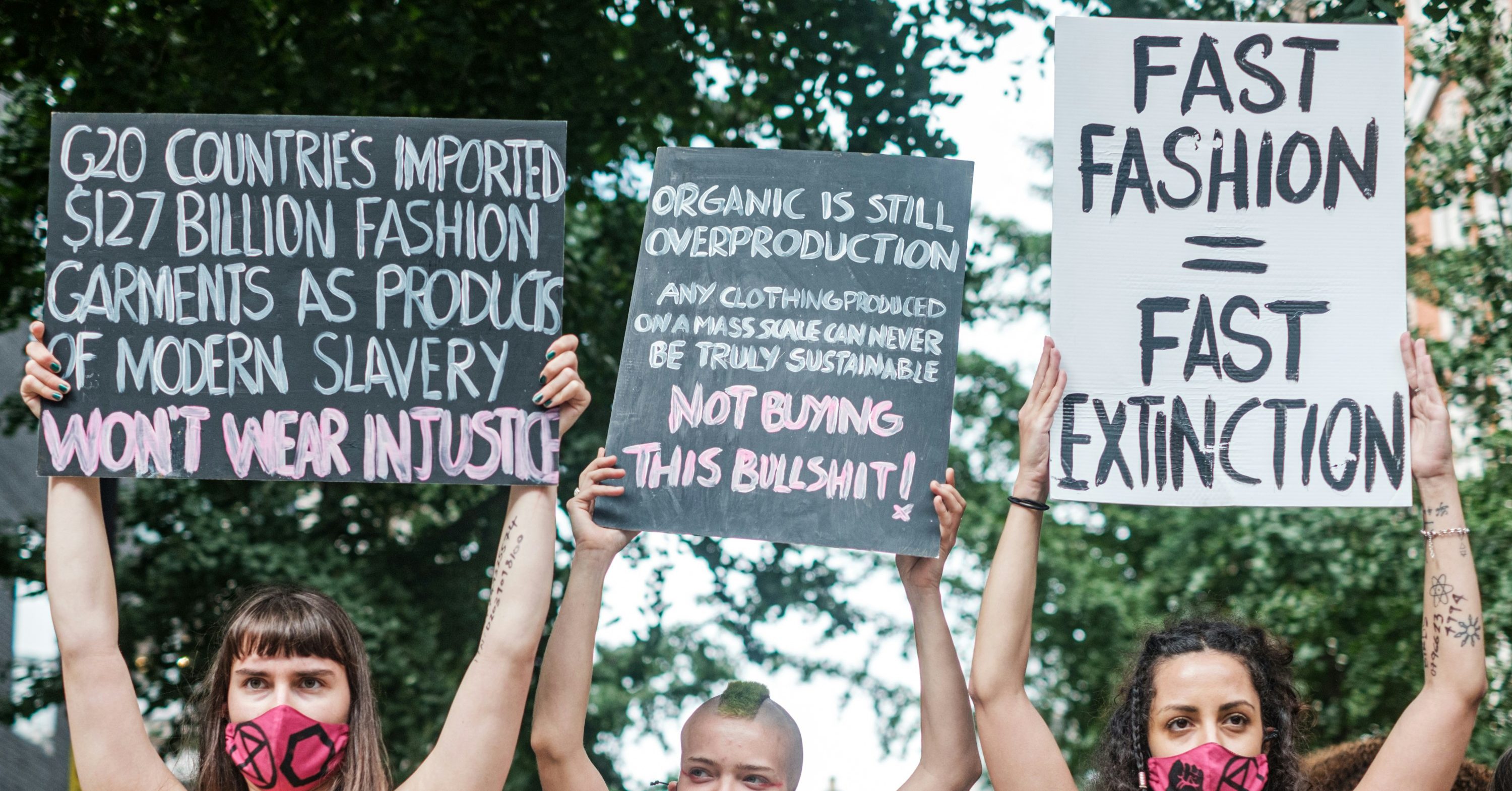
Introduction: The Unseen Cost of Style
Fashion is often celebrated for its creativity, self-expression, and cultural influence. But beneath the surface of fast trends and polished aesthetics lies a troubling reality: the fashion industry is a major contributor to climate change. From water pollution to greenhouse gas emissions, fashion’s environmental toll is staggering, and its consequences are disproportionately borne by marginalized communities. The connection between fashion and climate justice is no longer a fringe topic for environmentalists; it is a pressing global issue that demands urgent attention and systemic change.
This article explores the intersection of fashion and climate justice, examining how the industry’s environmental practices contribute to inequality and what it will take to make fashion truly sustainable and equitable.
Fashion’s Carbon Footprint: A Global Polluter
The fashion industry is responsible for up to 10% of global carbon emissions, according to the United Nations Environment Programme (UNEP)—more than international flights and maritime shipping combined. Producing a single cotton shirt requires 2,700 liters of water, the equivalent of what one person drinks in two and a half years. Polyester, the most widely used fiber, emits nearly three times more carbon emissions than cotton and releases microplastics into water systems during every wash.
The problem doesn’t stop at production. Transportation, packaging, and the rise of fast fashion’s quick turnover rates mean that clothes are being shipped, sold, and discarded at alarming speeds. Nearly 92 million tons of textile waste are generated each year, much of it ending up in landfills or being incinerated, contributing further to greenhouse gas emissions.
These environmental harms are deeply connected to broader questions of justice, particularly who suffers most from the impacts of climate change.

Climate Justice 101: What It Means
Climate justice is the idea that the climate crisis is not just an environmental issue, but also a social and ethical one. It acknowledges that while wealthy nations and industries are most responsible for greenhouse gas emissions, vulnerable and marginalized populations—often in the Global South—suffer the greatest consequences.
When viewed through this lens, the fashion industry’s environmental footprint is more than a sustainability issue. It is a matter of climate injustice, where poor communities, garment workers, and Indigenous populations bear the brunt of an industry fueled by overproduction and overconsumption in the Global North.
The Global South Pays the Price
Most of the world’s clothing is manufactured in countries like Bangladesh, India, Vietnam, and Indonesia, where labor is cheap and environmental regulations are weak or poorly enforced. These regions are also among the most vulnerable to climate change, facing rising sea levels, extreme heat, and frequent flooding.
In Bangladesh, for example, the fashion sector is a key part of the economy, employing over 4 million garment workers, mostly women. But the environmental cost is high: textile dyeing is a major source of water pollution in rivers like the Buriganga, and factories often discharge untreated chemicals into surrounding ecosystems. As sea levels rise and freshwater becomes increasingly scarce, these workers face both occupational and environmental hazards that threaten their health and livelihoods.
Moreover, extreme weather events, fueled by climate change, make it harder for workers to commute, factories to function, and supply chains to remain stable. For many, the fashion industry represents both an economic lifeline and an environmental risk zone.
Waste Colonialism: The Secondhand Dumping Crisis
A growing part of the fashion and climate justice conversation centers around waste colonialism—the export of secondhand clothing and textile waste from the Global North to the Global South. Countries like Ghana, Kenya, and Chile have become dumping grounds for clothing that can’t be sold in thrift shops or reused.
In Accra’s Kantamanto Market, over 15 million garments arrive each week from countries like the U.S., U.K., and Canada. While some of these clothes are resold or upcycled, a significant portion, often poor quality fast fashion, is unsellable and ends up in landfills or burned, releasing toxins and damaging local ecosystems.
This practice not only harms the environment but also undermines local textile industries and fosters economic dependency. Communities that had thriving textile sectors now struggle against the influx of cheap, disposable fashion waste, eroding cultural heritage, and local craftsmanship.
Water, Chemicals, and Toxic Supply Chains
Water usage and pollution are central to the environmental impact of fashion. The textile dyeing process is the second-largest polluter of clean water globally, according to the World Bank. Factories often use hazardous chemicals like azo dyes, chromium, and heavy metals that can cause cancer, hormonal disruption, and reproductive harm.
Communities living near dye houses or textile factories, often without access to clean water or effective regulation, experience the direct consequences of this toxic pollution. Rivers that once sustained agriculture and fishing are now dyed black or blue, incapable of supporting life.
These environmental injustices disproportionately affect Indigenous peoples, women, and children, who are most exposed to polluted water sources and least able to relocate or seek medical care.

Indigenous Communities and Land Displacement
In the pursuit of raw materials like cotton or leather, the fashion industry also plays a role in land grabs, deforestation, and displacement. In Brazil, cattle ranching—driven in part by demand for leather—has been linked to illegal logging in the Amazon, threatening Indigenous territories and biodiversity.
Meanwhile, cotton farming in regions like Uzbekistan and India often involves forced labor, water mismanagement, and desertification. In areas where fashion’s raw materials are cultivated, ecosystems are pushed beyond recovery, and communities lose access to clean air, fertile soil, and ancestral lands.
These outcomes underscore how fashion’s environmental impact cannot be separated from human rights and land sovereignty.
The Illusion of Greenwashing
In recent years, brands have rushed to adopt the language of “sustainability” and “eco-consciousness.” While some initiatives are sincere, many fall into the trap of greenwashing: marketing strategies that exaggerate or fabricate environmental credentials.
Claims like “sustainable cotton” or “carbon-neutral shipping” often mask the continued overproduction of clothing, lack of transparency in supply chains, and reliance on fossil-fuel-based synthetics. True climate justice requires not only cleaner production methods but also a reduction in consumption, something that threatens the business model of fast fashion.
Consumers are urged to “buy better,” but systemic change means addressing the power imbalances that allow fashion brands to profit while workers and the environment pay the price.
Climate Justice Is Gender Justice
Around 80% of garment workers worldwide are women, many of whom face poor working conditions, low wages, and a lack of protections. When climate disasters strike, whether it’s flooding in Pakistan or heatwaves in India, women are often the most affected due to economic insecurity, unpaid caregiving responsibilities, and limited access to healthcare.
Additionally, toxic chemicals used in textile processing have been linked to reproductive health problems, including miscarriages and birth defects, disproportionately impacting female workers in dyeing and finishing departments.
A climate-just fashion system must be a gender-just system, where the rights and health of women in the supply chain are prioritized, protected, and valued.
Fashion’s Role in Climate Solutions
Despite its outsized impact, the fashion industry also holds the potential to be a powerful player in climate solutions—if radically transformed.
Here are a few pathways:
- Degrowth and Slow Fashion: Moving away from overproduction and embracing quality, longevity, and circular design.
- Supply Chain Transparency: Mapping and disclosing every step of production, from raw materials to shipping, and committing to verified sustainability standards.
- Living Wages and Workers’ Rights: Ensuring garment workers earn a fair wage and are protected from climate risks like flooding or unsafe buildings.
- Textile Recycling and Innovation: Investing in closed-loop systems, biodegradable fabrics, and regenerative farming for fibers like hemp and organic cotton.
- Cultural Preservation: Supporting Indigenous artisans and traditional textile methods that respect nature and cultural identity.
Activists, designers, and consumers alike are pushing for these changes, but the movement must be backed by policy, investment, and education.

The Rise of Fashion Climate Activists
A new generation of activists is centering climate justice in the fashion conversation. Leaders like Aja Barber, Remake’s Elizabeth Cline, and Venetia La Manna are calling out greenwashing, advocating for garment workers, and building grassroots momentum for systemic reform.
Organizations like Fashion Revolution, Clean Clothes Campaign, and PayUp Fashion are mobilizing consumers to demand transparency and justice across the supply chain. Meanwhile, climate activists like Greta Thunberg have criticized fast fashion’s sustainability claims and opted for secondhand clothing to align their values with their wardrobe.
These voices are vital in shifting the conversation from individual consumer guilt to collective, structural accountability.
Policy and Corporate Accountability
Fashion’s climate reckoning must be backed by bold regulation. Some emerging efforts include:
- The European Union’s Strategy for Sustainable Textiles aims to make products more durable, repairable, and recyclable.
- California’s Garment Worker Protection Act holds fashion brands legally accountable for wage theft.
- Extended Producer Responsibility (EPR) legislation, which makes brands financially responsible for the entire lifecycle of their products, including disposal.
Yet many of these policies are in their infancy or face opposition from powerful fashion lobbies. To accelerate progress, governments, consumers, and civil society must align in demanding that brands put people and the planet above profits.
Conclusion: Reimagining Fashion as Climate Justice
The link between fashion and climate justice is undeniable. Every T-shirt, handbag, or pair of jeans we buy is part of a larger system that touches ecosystems, workers, and communities across the globe. If the fashion industry is to have a future, it must decouple from the colonial, extractive, and profit-driven practices that fuel both environmental degradation and social inequality.
True fashion justice means slowing down. It means shifting power back to garment workers, honoring Indigenous knowledge, ending waste colonialism, and treating sustainability as more than just a marketing term.
In the age of the climate crisis, fashion can no longer afford to be shallow. It must become a force for justice: one stitch, one policy, one radical rethinking at a time.
References
United Nations Environment Programme. (https://www.unep.org)
Fashion Revolution. (https://www.fashionrevolution.org)
Remake. (https://remake.world)
Clean Clothes Campaign. (https://cleanclothes.org)
The OR Foundation – Kantamanto Market. (https://theor.org)
World Bank – Textile Pollution. (https://www.worldbank.org/en/topic/pollution)
California Garment Worker Protection Act. (https://www.dir.ca.gov)
European Commission – EU Strategy for Sustainable and Circular Textiles. (https://ec.europa.eu/environment)
Olivia Santoro is a writer and communications creative focused on media, digital culture, and social impact, particularly where communication intersects with society. She’s passionate about exploring how technology, storytelling, and social platforms shape public perception and drive meaningful change. Olivia also writes on sustainability in fashion, emerging trends in entertainment, and stories that reflect Gen Z voices in today’s fast-changing world.
Connect with her here: https://www.linkedin.com/in/olivia-santoro-1b1b02255/
About The Author


