
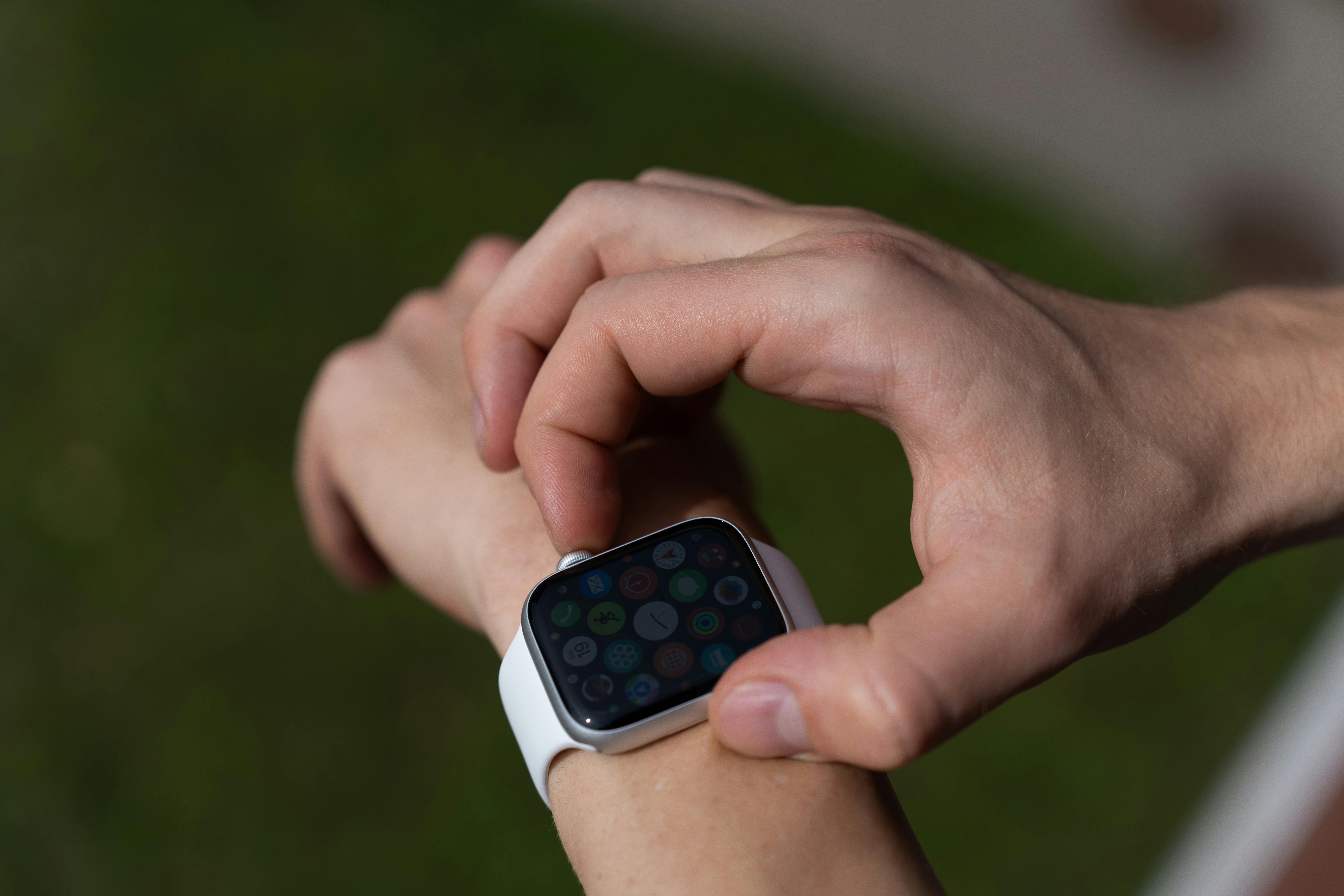
Cricket now operates at the intersection of athleticism, strategy, and data. Coaches, sports scientists, and players harness wearable technology to optimize performance, manage workload, and reduce injuries. From GPS vests to bat sensors, wearable devices offer the precision and insight that traditional coaching methods can’t match. Cricket performance tracking no longer relies on observation—it depends on quantifiable data.
With real-time monitoring, players can fine-tune their movements, identify inefficiencies, and adapt training routines based on hard evidence. Teams gain the ability to detect fatigue before it leads to injury and tailor recovery protocols for each athlete. Wearables also enhance accountability, as every sprint, throw, and shot is recorded and analyzed. This evolution reflects a broader shift in sports toward precision-driven development, where performance is not just measured—it’s optimized through science.
The Rationale Behind Adopting Wearables
Modern cricket demands peak performance week after week. Wearable devices support this by:
- Providing objective data on movement, load, and recovery
- Identifying signatures of impending injury before symptoms appear
- Verifying that fitness and technical changes take effect
- Empowering coaches with actionable insights
- Fostering accountability among players, backed by evidence
High-performing teams now embed wearables into daily training and recovery plans.
Core Wearable Devices and Their Uses
GPS Vests & Units
- Monitor distance, sprints, and positioning
- Reveal acceleration patterns during fielding
- Highlight session intensity in numerical form
Accelerometers & Gyros
- Track jump height, incline runs, and lateral movement
- Monitor energy expenditure during fielding drills
Bat-Mounted Sensors (Zepp, StanceBeam)
- Analyze bat speed, swing tempo, and sweet-spot contact
- Provide numeric feedback on performance trends
Heart Rate Monitors
- Measure cardio load during physical activity
- Facilitate monitoring of recovery zones
Smart Clothing & Insoles
- Detect gait, pressure distribution, and fatigue
- Alert medical staff to biomechanical imbalances
Muscle & Hydration Sensors
- Monitor muscle tension and vascular responses
- Provide real-time biofeedback during rehab
Key Metrics in Cricket Performance Tracking
Wearables generate quantified insights across key performance areas:
Workload & Movement
- Total distance covered, high-speed run counts
- Sprint frequency and peak acceleration
- Change-of-direction velocity
Physical Load Profiles
- Number and load of bowling deliveries
- Ball-handling forces in fielding
- Calibrated intensity marks
Technical Efficacy
- Bat swing velocity and sweet-spot variance
- Bowling arm rotation and release angles
- Throw time consistency
Physiological & Recovery
- Heart-rate zones during effort segments
- HRV for autonomic function
- Sleep quality and readiness indices
- Self-reported fatigue levels
These metrics feed into dashboards that standardize player development.
Real-Life Use Case: Cricket Australia’s GPS Integration
Starting in 2018, Cricket Australia rolled out Catapult GPS vests for national team and BBL squads.
- Injury reduction: Saw a 25–30% decline in muscle injuries
- Performance shift: Fielders increased sprint metrics by 18%
- Workload consistency: Bowler load charts showed balanced peaks and troughs
Coaches used geo-thermal field maps to adjust training based on distance covered during matches.
Real-Life Use Case: India’s Bowling Monitoring Program
Ahead of the World Cup, the BCCI integrated load sensors and wearable analytics in NCA nets:
- Captured delivery count, impact, and fatigue during bowl-ups
- Real-time alerts let staff tailor workloads on the fly
- Rehabilitation schedules adjusted according to session profiles
Bowler injury absence fell by 40% in the pre-tournament phase.

How Wearables Support Technical Training
Batting Drills:
- Measure swing speed, contact quality, back-lift timing
- Pair data with video to correct bat-face angles and footwork
- Track swing progression week to week
Bowling Adjustments:
- Log delivery load and arm mechanics
- Use multi-match trends to identify fatigue before fatigue causes injury
- Improve release consistency with biomechanical analysis
Fielding Improvement:
- Sprint distances in slip or outfield drills
- Enhanced agility via acceleration tracking
- Feedback on throw power and release timing
Designing Wearable-Based Training Plans
- Baseline assessments collect physiological norms
- Set thresholds for speed, distance, heart rate zones
- Structure drills to replicate match intensities
- Monitor in-session metrics for deviations
- Provide feedback reports post-session
- Quarterly reviews drive targets and periodization
This structure transforms repetition into measurable development.
Athlete Adoption and Mindset
Adopting wearables is as much about gaining trust as it is about hardware.
- Gear should fit well and feel lightweight
- Explain data use—not for surveillance, but for health and performance
- Regular education for coaches and players to build data literacy
- Pilot with a small group, refine based on feedback, then expand
This builds a player-driven analytics culture.
Privacy, Ethics, and Data Security
Wearables handle sensitive athlete data:
- Use encrypted systems to store and process data
- Release data only to consented parties
- Limit data use in selection unless performance is clearly traceable
- Provide transparency on how biometric outputs influence contracts
National boards include wearables agreements in player contracts, mirroring GDPR standards.
Smart Wearable Integration in Team Settings
Example: National squad rollout during international tour:
- GPS units in every training session and match
- Heart rate plus load sensors during recovery
- Lab testing for baseline every off-season
- Customized reports after each series
- Integration with selection analytics and fitness clinics
This provides a closed-loop system for continuous improvement.
Overcoming Implementation Challenges
| Challenge | Solution |
|---|---|
| High initial costs | Rollout per player tier and measure ROI over seasons |
| Data complexity | Hire analyst or partner with system provider |
| Resistance to use | Introduce champions among players and staff |
| Device wearability | Trial multiple device forms (shirts, vests, bat sensors) |
| Data overload | Automate reports and flag deviations from key metrics |
Understanding costs and benefits helps align expectations.
Emerging Trends in Cricket Wearable Tech
- Edge AI packages analytics directly into devices
- Smart textiles integrated into cricket uniforms
- Cognitive wearables monitoring mental fatigue via EEG
- Augmented coaching overlaying biomechanical data during live drills
- Open APIs enabling third-party analytics and ecosystem expansion
These developments signal a holistic data ecosystem for cricket.
Roadmap for Teams and Clubs
- Pilot systems at elite academies
- Train coaches in basic analytics
- Enforce daily and match wearable use
- Integrate data into selection and training choices
- Partner with tech providers for customization
- Continually re-assess tech as devices evolve
Following a structured strategy elevates clubs to professional operation levels.
Conclusion
Wearable technology now stands at the core of cricket performance tracking. It offers objective, timely, and practical insights that translate into improved fitness, fewer injuries, and better performance. As devices evolve and analytics become embedded into culture, wearables will remain essential tools—driving accountability, scientific training, and smarter competition.
Adopt thoughtfully, integrate completely, and review rigorously to ensure technology serves both performance and well-being in cricket.
Sources
https://www.catapultsports.com/blog/how-wearables-improve-athlete-performance
https://www.espncricinfo.com/story/how-gps-and-wearable-tech-are-transforming-modern-cricket-1302587
https://bjsm.bmj.com/content/55/6/326
https://www.ncbi.nlm.nih.gov/pmc/articles/PMC6828123
https://www.researchgate.net/publication/345976730_Biometrics_and_Injury_Prediction_in_Cricket
https://www.sportstechnologyhub.com/latest/wearables-in-cricket-performance
https://www.cricket.com.au/news/3328583/gps-tracking-devices-bbl-performance-data
About The Author


