
Introduction: The Global Textile Waste Crisis
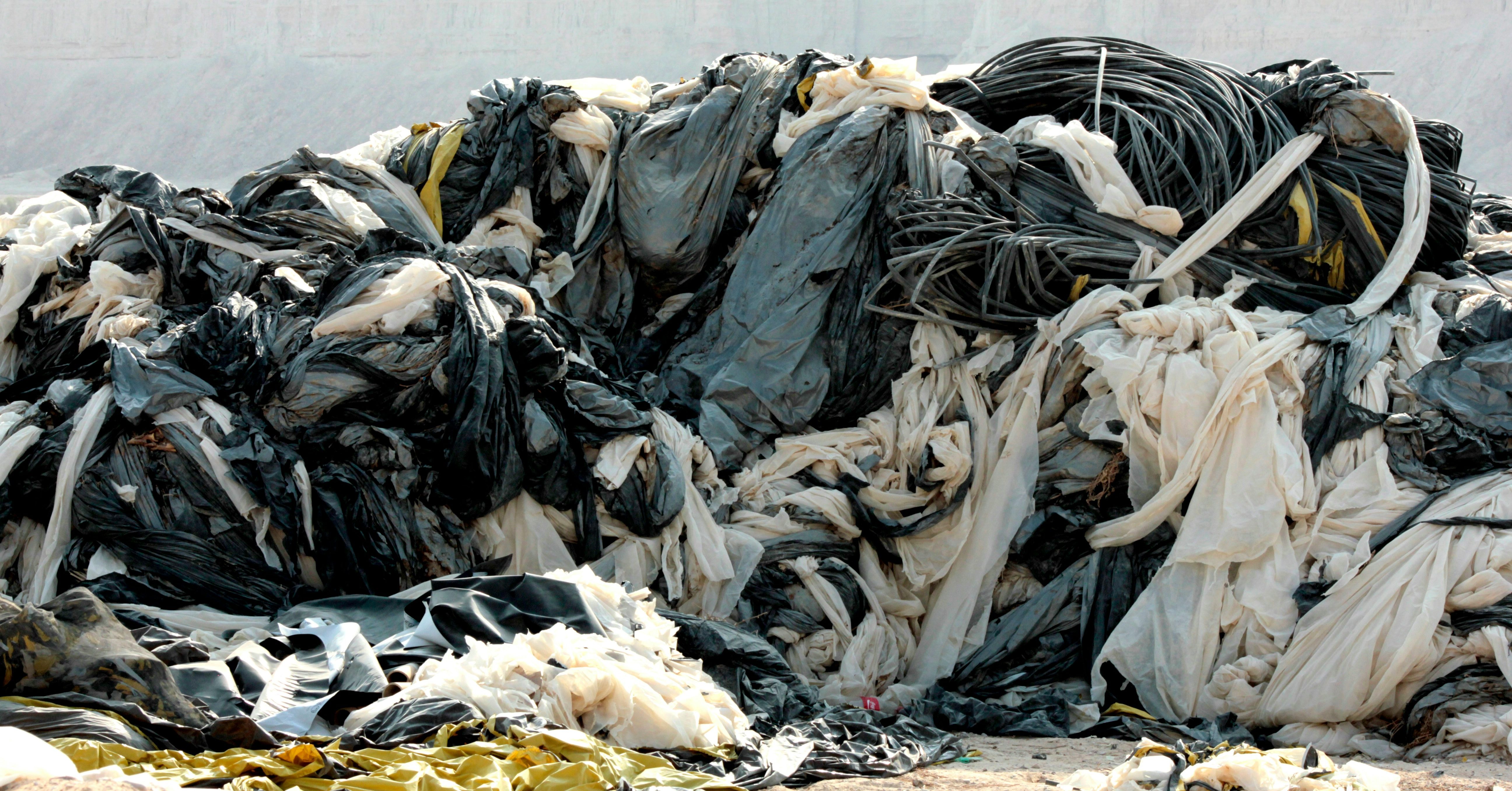
Every second, the equivalent of a garbage truck full of clothes is burned or sent to a landfill. The fashion industry produces 92 million tons of textile waste each year, and that figure is expected to rise by 60% by 2030. From overproduction and synthetic fibers to fast fashion’s throwaway culture, textile pollution is now one of the most pressing environmental challenges of our time.
But across the globe, innovators, nonprofits, governments, and entrepreneurs are fighting back. These 15 powerful initiatives are tackling the textile waste crisis head-on through circular design, recycling infrastructure, policy reform, and community empowerment.
1. The OR Foundation (Ghana)
Fighting waste colonialism in Accra’s Kantamanto Market
- Based in Accra, the OR Foundation exposes the dark side of secondhand clothing exports.
- Ghana receives over 15 million garments weekly, many of them unsellable.
- OR works with local retailers, porters, and tailors to upcycle waste, train youth, and demand policy changes in the Global North.
- They advocate for Extended Producer Responsibility (EPR) from exporting nations and fashion brands.
Impact: A powerful local-global coalition for justice and circularity.
2. Worn Again Technologies (UK)
Textile-to-textile recycling at scale
- Worn Again has developed advanced chemical recycling to turn old polyester and cotton garments into new fibers.
- Unlike traditional recycling, their process separates, decontaminates, and repurposes raw materials without downgrading quality.
- Their goal: replace virgin resources in the fashion supply chain and eliminate textile landfill waste.
Impact: A step toward industrial-scale circular fashion systems.
3. Refashion (France)
France’s national textile waste management program
- Refashion manages France’s Extended Producer Responsibility system for textiles and footwear.
- Brands that sell clothing in France are required to fund the collection, sorting, and recycling of used garments.
- They support innovation in circular design, collection systems, and consumer awareness.
Impact: A working model for government-mandated textile accountability.
4. Fibershed (USA)
Building regional textile systems rooted in soil health
- Fibershed promotes local, regenerative fiber production—connecting farmers, weavers, and designers.
- Focuses on carbon farming, compostable materials, and plant-based dyes.
- Offers a blueprint for decentralized textile economies that eliminate synthetic waste.
Impact: Merging climate action with slow fashion and soil restoration.
5. Goonj (India)
Repurposing urban textile waste for rural development
- Goonj collects discarded clothing and turns it into sanitary pads, school bags, and quilts for underserved communities.
- Their “Cloth for Work” program engages rural villagers to repair roads and infrastructure in exchange for upcycled goods.
- They process over 3,000 tons of urban textile waste annually.
Impact: Social equity meets textile reuse.
6. Circ (USA)
Circular chemistry to recover blended fabrics
- Circ specializes in recycling blended textiles (e.g., poly-cotton) that are notoriously difficult to separate.
- Their patented process reclaims both polyester and cotton for reuse in new garments.
- Backed by major brands like Inditex and Patagonia.
Impact: A high-tech fix for fashion’s most wasteful fabrics.
7. Textile Change (Netherlands)

Turning old clothes into new fibers
- This Dutch startup uses mechanical recycling to transform discarded garments into new yarns.
- Works with brands to design for disassembly, encouraging products that are easier to recycle.
- Focuses on closing the loop in the European fashion market.
Impact: Promoting product circularity from the design phase.
8. Helpsy (USA)
Largest clothing collection service in the Northeastern U.S.
- Helpsy collects over 30 million pounds of textiles per year from donation bins, schools, and municipalities.
- 95% of what they collect is reused, upcycled, or recycled.
- They also provide educational outreach and sustainable fashion consulting.
Impact: Scalable textile diversion from landfill in urban areas.
9. JEPLAN (Japan)
Recycling polyester into fuel and new clothing
- JEPLAN uses chemical recycling to turn PET clothing into new polyester or even jet fuel.
- Their BRING project lets customers return clothes to over 3,000 collection points across Japan.
- Partnered with major Japanese retailers for large-scale textile circularity.
Impact: Pioneering textile-to-fuel innovation in Asia.
10. Reverse Resources (Estonia)
Digital platform to track textile waste
- Reverse Resources maps cutting waste from garment factories and matches it with recyclers or brands.
- Prevents valuable pre-consumer waste from ending up in landfills.
- Their data platform helps brands source verified recycled content.
Impact: Making waste visible—and valuable.
11. Re:newcell (Sweden)
Turning old clothes into biodegradable “Circulose” pulp
- Re: Newcell shreds used cotton and transforms it into Circulose, a recyclable and compostable fiber pulp.
- Fashion giants like H&M and Levi’s have used Circulose in collections.
- It allows brands to replace virgin cotton and viscose with recycled alternatives.
Impact: Biodegradable fiber innovation at scale.
12. Raddis System (India)
Zero-waste dyeing and block printing
- Raddis works with rural artisans in India to produce naturally dyed, biodegradable textiles.
- Every scrap of cloth is repurposed into scrunchies, packaging, or new garments.
- They use regenerative farming for cotton and plants like indigo, turmeric, and madder root.
Impact: A closed-loop, zero-waste model grounded in tradition and sustainability.
13. Fashion For Good (Global)
Innovation hub accelerating sustainable fashion startups
- Based in Amsterdam, this nonprofit incubator supports early-stage companies solving textile waste challenges.
- Partners with Adidas, Kering, and others to fund closed-loop technologies.
- Hosts exhibitions and educational labs to inform the public.
Impact: Bridging innovation, corporate collaboration, and public education.
14. Circular Fashion (Germany)
Software tools for circular product design
- Offers a digital platform where brands can track material composition and recycling potential.
- Enables “circular IDs” that help sort and recycle clothes more efficiently at end-of-life.
- Encourages designing for reuse, repair, and recyclability.
Impact: Data-driven infrastructure for circular fashion ecosystems.
15. Ellen MacArthur Foundation (Global)
The blueprint for a circular fashion economy
- Their “Make Fashion Circular” initiative lays out strategies for eliminating textile waste at scale.
- Focus areas:
- Designing out waste and pollution
- Keeping products in use
- Regenerating natural systems
- Collaborates with dozens of brands, cities, and governments.
- Impact: A global thought leader driving policy, innovation, and systems thinking.
Common Themes: What These Initiatives Teach Us

Across continents and industries, these initiatives are showing the world how to turn the textile waste crisis into an opportunity.
Key strategies include:
- Extended Producer Responsibility (EPR): Making brands accountable for the end of life of garments.
- Material innovation: Creating recyclable, compostable, or low-impact fibers.
- Circular systems: Closing the loop via reuse, resale, and remanufacturing.
- Community-centered models: Empowering local artisans, waste workers, and smallholder farmers.
- Data and transparency: Using tech to track textile flows and waste.
The Road Ahead: Why Systemic Change Is Urgent
While these 15 efforts are inspiring, textile waste continues to surge:
- Fast fashion still drives overproduction.
- Synthetic clothing dominates—60% of textiles today are plastic-based.
- Recycling infrastructure remains fragmented or nonexistent in many parts of the world.
Systemic change will require:
- Policy reform across borders
- Industry-wide collaboration
- Consumer education
- Investment in textile circularity
The fashion industry has the creativity and now the technology to reinvent itself. But will it act?
Final Thought: From Pollution to Possibility
Textile waste isn’t just a pollution problem; it’s a design flaw, a policy gap, and a missed opportunity for justice. These 15 global initiatives prove that solutions already exist—we just need the will to scale them.
Whether it’s a chemical recycling lab in Sweden, a secondhand market in Ghana, or a regenerative cotton field in India, change is happening.
The question is: Will the rest of the industry follow?
References
The OR Foundation – https://theor.org
Worn Again Technologies – https://wornagain.co.uk
Fibershed – https://fibershed.org
Goonj – https://goonj.org
Circ – https://circ.earth
Re:newcell – https://renewcell.com
Fashion For Good – https://fashionforgood.com
Ellen MacArthur Foundation – https://ellenmacarthurfoundation.org
Olivia Santoro is a writer and communications creative focused on media, digital culture, and social impact, particularly where communication intersects with society. She’s passionate about exploring how technology, storytelling, and social platforms shape public perception and drive meaningful change. Olivia also writes on sustainability in fashion, emerging trends in entertainment, and stories that reflect Gen Z voices in today’s fast-changing world.
Connect with her here: https://www.linkedin.com/in/olivia-santoro-1b1b02255/
About The Author


