
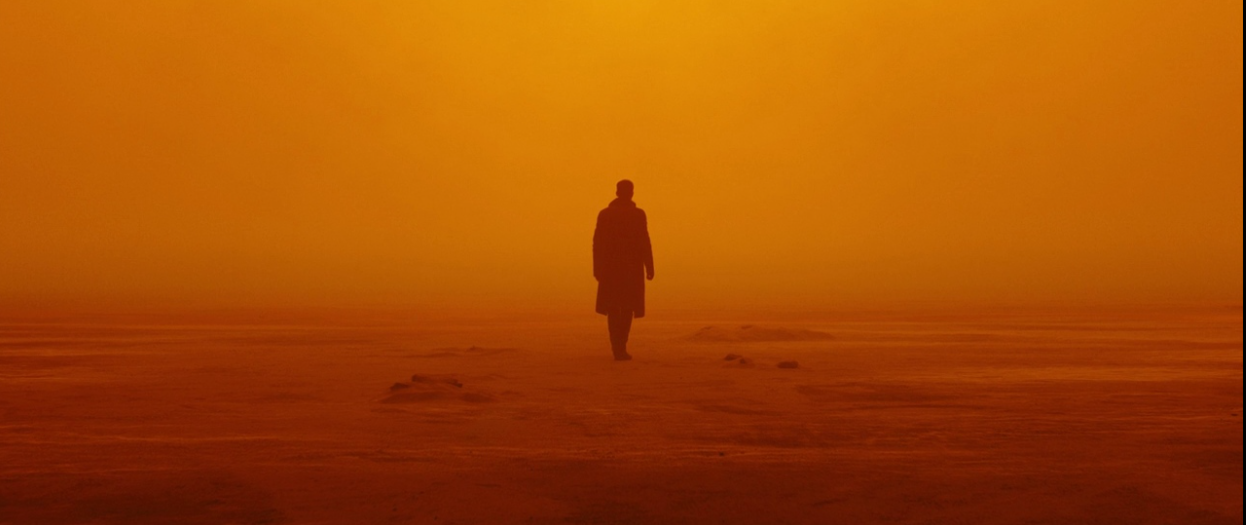
Shadows of the Past — The Lingering Influence of Film Noir
Emerging from the smoky, rain-soaked streets of post-war cinema, film noir was never just a genre—it was a mood, a worldview, a defiant subversion of narrative simplicity. Rooted in cynicism, moral ambiguity, and visual expressionism, film noir shaped Hollywood’s golden era with stories that questioned heroism, justice, and human nature itself.
But noir never truly faded. Its influence seeps through contemporary storytelling—across film, television, graphic novels, and streaming narratives—reshaping structure, character archetypes, and visual language. Today, filmmakers across genres draw upon noir’s shadowy DNA to explore society’s darker corners with complexity and style.
Narrative Complexity and Moral Ambiguity: Noir’s Enduring Blueprint
One of the most profound film noir influence on modern storytelling is the normalization of morally grey protagonists and complex, non-linear narratives. Before noir, mainstream cinema often favored clear-cut heroes and linear resolutions. Noir shattered that framework, introducing flawed anti-heroes, unreliable narrators, and endings steeped in ambiguity.
How Noir Reshaped Narrative Structure:
- Emphasis on flawed, ethically compromised protagonists (detectives, drifters, femme fatales).
- Use of flashbacks, fragmented timelines, and subjective narration to obscure truth.
- Open-ended or bleak conclusions that resist moral closure.
Examples in Modern Storytelling:
- True Detective (2014–): The acclaimed anthology series channels noir through brooding detectives, fractured timelines, and meditations on human depravity.
- Blade Runner 2049 (2017): A neo-noir sci-fi epic blending dystopia with existential questions, unreliable perception, and detective tropes.
- Gone Girl (2014): A psychological thriller subverting domestic narratives through noir’s lenses of duplicity, media manipulation, and hidden identities.
Impact:
Modern audiences, conditioned by noir’s legacy, embrace stories that reject black-and-white morality, demanding layered characters and philosophical complexity.
Visual Aesthetics: Shadows, Contrast, and the Language of Cinematic Mood
Perhaps the most instantly recognizable film noir influence lies in its iconic visual style—moody lighting, deep shadows, stark contrasts, and claustrophobic urban environments that convey psychological tension and existential dread.
Defining Visual Markers from Noir:
- High-contrast black-and-white cinematography with heavy chiaroscuro lighting.
- Use of venetian blinds, fog, rain-soaked streets, and distorted reflections.
- Framing techniques emphasizing isolation, surveillance, and emotional disconnection.
- Expressionist influences creating dreamlike, often oppressive atmospheres.
How Contemporary Storytelling Inherits Noir’s Visual Grammar:
- Neo-noir films like Drive (2011) and Sin City (2005) preserve stark lighting, urban decay, and stylized shadows as visual storytelling devices.
- Psychological thrillers like Nightcrawler (2014) and Prisoners (2013) employ shadowy compositions to reflect moral ambiguity and hidden motives.
- Prestige television series (Mindhunter, Mr. Robot) borrow noir’s aesthetic—moody palettes, off-kilter framing—to externalize internal conflicts.
Impact:
Noir’s visual DNA persists because its aesthetic language transcends genre—it externalizes character psychology, heightens tension, and embeds every frame with symbolic unease.
Genre Hybridization: Noir’s Evolution Across Modern Storytelling Forms
One of noir’s greatest contributions to contemporary narrative is its malleability—the ability to fuse with other genres, amplifying their depth, darkness, and complexity. Today, noir seamlessly blends with science fiction, horror, drama, and even comedy, reshaping expectations across storytelling platforms.
Examples of Genre-Blending Through Noir:
- Sci-Fi Noir: Blade Runner, Altered Carbon—dystopian futures steeped in noir’s moral uncertainty.
- Superhero Noir: The Batman (2022) adopts detective noir tropes—rain-drenched Gotham, internal monologues, flawed heroism.
- Comedy Noir: Kiss Kiss Bang Bang (2005) and The Nice Guys (2016) parody noir conventions while retaining their narrative structure.
Impact:
Noir’s adaptability allows storytellers to enrich world-building, subvert tropes, and explore human complexity within the framework of diverse genres.
Redefining Gender Dynamics: The Evolving Femme Fatale and Complex Women

One of the most controversial yet lasting film noir influence lies in its portrayal of gender—particularly through the enigmatic, morally ambiguous “femme fatale.” While early noir often framed women as dangerous, seductive disruptors of male stability, modern storytelling has both deconstructed and reclaimed these archetypes.
Classic Femme Fatale Traits from Noir:
- Women depicted as mysterious, independent, and often manipulative figures.
- Their sexuality positioned as both a source of empowerment and threat.
- Stories framing women as catalysts for male downfall or moral conflict.
Modern Evolution of Gender Dynamics Influenced by Noir:
- Contemporary filmmakers recast femme fatales as empowered, self-possessed characters, moving beyond one-dimensional villainy.
- Female protagonists now adopt noir’s moral ambiguity without being punished for autonomy (Gone Girl, Killing Eve).
- Narratives increasingly critique the misogyny embedded in classic noir, offering subversions that highlight systemic power imbalances.
Examples in Modern Storytelling:
- Gone Girl (2014): Amy Dunne embodies the femme fatale but exposes societal misogyny and media manipulation, making her both product and critic of noir tradition.
- Killing Eve (2018–2022): Villanelle merges assassin thriller with femme fatale allure, subverting gender norms while leaning into noir-inspired complexity.
- Zodiac (2007): Though male-dominated, it channels noir’s paranoia and obsession, while subtly commenting on the marginalization of women within investigative narratives.
Impact:
Contemporary storytelling inherits noir’s morally grey women but retools them to explore autonomy, societal critique, and the fluidity of power dynamics.
Psychological Depth and Existential Dread: Noir’s Philosophical Legacy
At its core, film noir influence extends beyond visual and narrative tropes—it introduced a distinctly philosophical undercurrent to mainstream storytelling, marked by:
- Existential questioning of identity, fate, and societal decay.
- Cynicism toward justice, truth, and human relationships.
- Exploration of alienation, paranoia, and psychological fragmentation.
How Contemporary Storytelling Reflects Noir’s Psychological Impact:
- Modern protagonists often mirror noir anti-heroes—troubled, self-destructive, questioning reality itself (Taxi Driver, Joker).
- Storyworlds emphasize systemic corruption, societal collapse, and moral disillusionment (True Detective, Blade Runner 2049).
- Nonlinear structures and unreliable narration evoke subjective reality and psychological uncertainty.
Examples:
- Joker (2019): Fuses character study with noir’s nihilism, exploring mental illness, societal rejection, and the birth of moral ambiguity.
- Nightcrawler (2014): Protagonist Louis Bloom reflects noir’s alienated, ambitious anti-hero navigating an ethically corrupt media landscape.
- Mr. Robot (2015–2019): Combines techno-thriller elements with noir-inspired paranoia, fractured identity, and systemic critique.
Impact:
By embedding existential dread and moral ambiguity into mainstream stories, noir reshaped not only genre conventions but how audiences engage with complexity, uncertainty, and the darker edges of human nature.
The Global Legacy of Film Noir in Contemporary Storytelling
The shadows of film noir have stretched far beyond mid-century Hollywood, leaving an indelible mark on global cinema, independent filmmaking, and the psychological fabric of modern narratives. Its influence isn’t confined to nostalgic homages—it’s embedded in the very structure, tone, and emotional depth of contemporary storytelling.
Noir’s Global Expansion: Beyond Hollywood Borders
While classic film noir emerged from American studios during the 1940s and 1950s, its themes of moral ambiguity, systemic corruption, and visual stylization have transcended cultural boundaries, influencing international cinema in profound ways.
Examples of Noir’s Global Influence:
- French New Wave: Directors like Jean-Luc Godard and François Truffaut reimagined noir’s rebellious spirit and fragmented narratives in films like Breathless (1960).
- Asian Neo-Noir: Park Chan-wook’s Oldboy (2003) and Wong Kar-wai’s In the Mood for Love (2000) incorporate noir’s moody aesthetics and fatalistic romance within distinctly Eastern contexts.
- European Neo-Noir: Films like The Lives of Others (2006) and Tinker Tailor Soldier Spy (2011) channel noir’s themes of surveillance, betrayal, and psychological tension.
Impact:
Noir’s global expansion proves its flexibility—its mood, aesthetic, and thematic undercurrents adapt seamlessly to diverse cultural landscapes, enriching worldwide storytelling with complexity and intrigue.
Noir in Independent and Streaming Storytelling
The rise of indie cinema and streaming platforms has reignited interest in noir’s intimate, character-driven narratives, allowing storytellers to embrace risk, moral ambiguity, and unconventional structures outside mainstream constraints.
Examples:
- Blue Ruin (2013) and A History of Violence (2005) reflect indie cinema’s fusion of noir’s bleak realism with modern revenge narratives.
- Streaming hits like Mindhunter and Ozark resurrect noir’s tension, visual darkness, and moral decay, reaching global audiences hungry for layered, atmospheric storytelling.
Impact:
Streaming liberates noir from genre pigeonholes, allowing its influence to thrive across dramas, thrillers, sci-fi, and psychological narratives—proving its lasting relevance in evolving media landscapes.
Shaping Audience Expectations: Noir’s Legacy of Complexity
Today’s audiences, shaped by decades of film noir influence, demand:
- Anti-heroes over flawless protagonists.
- Ambiguous endings over simplistic resolutions.
- Visual symbolism over literal exposition.
- Psychological depth over superficial spectacle.
Noir cultivated a cinematic language where mood, moral tension, and philosophical uncertainty resonate deeply with viewers, creating space for narratives that challenge, unsettle, and provoke reflection.
Final Thoughts: Why Noir Endures
Film noir endures because its essence speaks to universal human conditions—uncertainty, moral conflict, existential dread, and the search for truth amid shadows. Its influence is neither confined to aesthetic homage nor reduced to nostalgia. Instead, it reshapes how we tell stories, inviting complexity, introspection, and cinematic elegance into every frame.
In an era saturated with glossy narratives and digital spectacle, film noir influence reminds storytellers that the most haunting stories emerge not from clarity—but from the fog, reflections, and fractured souls hiding beneath.
About The Author


