
Stories That Shape Us: The Deep Bond Between Cinema and Cultural Identity
Cinema is more than entertainment—it’s a mirror reflecting who we are, where we come from, and where we’re going. Storytelling within films doesn’t just convey plots; it constructs cultural memory, reaffirms collective values, and, at times, reshapes entire national or community identities.
From historical epics to intimate indie films, the narratives we watch on screen feed directly into our understanding of cultural belonging, pride, trauma, and aspiration. Whether it’s showcasing forgotten histories, challenging stereotypes, or amplifying underrepresented voices, cinematic storytelling operates as a silent but powerful architect of cultural identity.
The relationship between cinema and cultural identity is cyclical. Communities influence the stories filmmakers tell, and in turn, those stories help communities articulate their evolving sense of self.
Preserving Heritage Through Cinematic Narratives
One of the most visible ways storytelling in cinema influences cultural identity is through the preservation of heritage, traditions, and historical memory. Films become living archives—capturing language, rituals, social customs, and ancestral wisdom that might otherwise fade with time.
In countries or communities with endangered traditions, cinema offers a platform to immortalize cultural narratives. Even mainstream entertainment often embeds folk tales, regional dialects, traditional music, and indigenous customs, keeping them accessible for future generations.
Example:
Satyajit Ray’s Pather Panchali (1955), part of the acclaimed Apu Trilogy, is more than a coming-of-age story—it documents rural Bengali life, family dynamics, and societal structures unique to early 20th-century India. Its portrayal of poverty, familial bonds, and cultural rituals not only garnered global acclaim but solidified elements of Bengali cultural identity on the world stage.
Similarly, films like Crouching Tiger, Hidden Dragon (2000) transported elements of Chinese folklore and martial arts mythology into global consciousness, fostering pride and curiosity around Chinese cultural heritage.
Impact:
Cinematic storytelling immortalizes cultural practices, transforming transient traditions into shared, lasting symbols of identity—both within and beyond the community itself.
Challenging Stereotypes and Reclaiming Narratives

While cinema often preserves culture, it also serves as a battleground for reclaiming distorted or marginalized identities. Historically, dominant global film industries—particularly Hollywood—have perpetuated stereotypes about various ethnic, regional, or cultural groups. However, contemporary storytelling increasingly uses cinema as a tool to challenge these misrepresentations and redefine cultural identity on the creators’ own terms.
By centering authentic voices, filmmakers disrupt narratives imposed by outsiders and present more nuanced, humanized depictions of their cultures. This reclamation is crucial for communities historically portrayed through exoticism, prejudice, or monolithic tropes.
Example:
Jordan Peele’s Get Out (2017) not only operates as a suspense thriller but also confronts systemic racism and microaggressions within American society. By using genre filmmaking to explore Black identity and lived experience, Peele reshaped cinematic space for conversations on race and belonging.
In a different context, films like Whale Rider (2002) celebrate Maori culture in New Zealand, centering indigenous voices and presenting modern yet tradition-rooted narratives that empower marginalized communities to reclaim their place in cultural discourse.
Impact:
Storytelling in cinema becomes a form of resistance—correcting harmful depictions, amplifying authentic experiences, and reshaping cultural identity from within, rather than through external stereotypes.
Cinema as a Bridge for Cultural Exchange
Storytelling in cinema not only shapes internal cultural identity but also serves as a bridge for global cultural exchange. Through films, audiences gain insight into societies, traditions, and values beyond their own, fostering empathy, curiosity, and a deeper understanding of diversity.
International cinema, film festivals, and streaming platforms have made it possible for stories from one part of the world to resonate universally, turning cinema into a tool for cross-cultural connection. This exchange enriches both the storyteller’s cultural identity and the viewer’s worldview, creating space for hybrid cultural identities to emerge.
Example:
The global success of Parasite (2019), directed by Bong Joon-ho, showcases South Korean society, class disparities, and cultural nuances with remarkable specificity. Yet, the film’s universal themes of inequality and aspiration resonated worldwide, demonstrating how deeply local storytelling can foster global dialogue.
Similarly, Slumdog Millionaire (2008) introduced aspects of Indian urban life, ambition, and resilience to international audiences, sparking both admiration and debate on representation.
Impact:
Cinematic storytelling connects cultures, allowing audiences to engage with unfamiliar identities while validating and globalizing the storyteller’s own cultural experience. This exchange helps redefine cultural identity as dynamic, interconnected, and evolving.
Shaping National Identity Through Historical Epics
Large-scale historical films often play a pivotal role in constructing national identity. These narratives dramatize defining events, celebrate cultural heroes, or commemorate shared struggles—becoming part of the collective memory that shapes how a nation sees itself.
Filmmakers, intentionally or subconsciously, embed national values, ideals, and aspirations into historical storytelling, reinforcing pride, unity, or even ideological perspectives within their societies.
Example:
In Gandhi (1982), the life of Mahatma Gandhi becomes more than a biography—it becomes a cinematic cornerstone of India’s post-colonial identity, emphasizing nonviolence, independence, and moral leadership.
Similarly, Braveheart (1995) mythologizes Scottish resistance through the legend of William Wallace, becoming symbolic of Scottish identity and its historical struggles for freedom.
Impact:
Historical films often transcend entertainment, contributing to national myth-making. These stories anchor cultural identity within shared history, providing a narrative foundation upon which communities build collective pride or solidarity.
Cinema as a Reflection of Social Change and Evolving Identity

Cultural identity is not static—it evolves with time, shaped by social, political, and generational shifts. Cinema serves as both a mirror and a catalyst for these transformations, capturing the anxieties, aspirations, and complexities of changing cultural landscapes.
Through storytelling, filmmakers document how identities adapt—whether through migration, globalization, or generational clashes. These narratives reflect the fluid nature of belonging, showing how cultural identity can be a site of negotiation rather than fixed tradition.
Example:
In The Farewell (2019), director Lulu Wang explores the tension between Chinese and American cultural values within an immigrant family. The film navigates identity conflict, tradition, and belonging, portraying how diasporic communities grapple with dual cultural attachments and evolving definitions of self.
Similarly, Roma (2018) by Alfonso Cuarón portrays class divides and indigenous identity in Mexico during the 1970s, revealing how socio-political realities reshape cultural understanding.
Impact:
Cinema captures identity in transition, providing space to reflect on how cultures evolve, blend, or fracture over time. These stories validate lived experiences of change, redefining cultural identity for modern generations.
Storytelling as Healing for Cultural Trauma
For many communities, storytelling in cinema becomes a pathway to confront and process cultural trauma—whether rooted in war, colonization, displacement, or systemic oppression. By representing these histories on screen, filmmakers offer spaces for collective grieving, acknowledgment, and healing.
Such stories empower marginalized groups to reclaim painful histories, ensuring cultural identity is not solely defined by suffering but by resilience, memory, and hope.
Example:
Schindler’s List (1993) serves as both a historical recount and a memorial for the Jewish community, preserving Holocaust memory while honoring those who resisted. Similarly, Hotel Rwanda (2004) confronts the Rwandan genocide, using cinema to preserve national memory and educate future generations.
In indigenous contexts, films like Samson & Delilah (2009) portray the ongoing impacts of colonization on Aboriginal communities in Australia, fostering dialogue and cultural healing.
Impact:
Through storytelling, cinema transforms cultural trauma into shared memory. These narratives foster recognition, spark conversations, and fortify cultural identity through resilience and remembrance.
Diaspora Cinema: Negotiating Identity Across Borders
For diasporic communities, cinema becomes a powerful platform to explore the complexities of hybrid cultural identities. These stories often reflect feelings of belonging to multiple worlds—balancing ancestral heritage with the realities of migration, assimilation, or cultural displacement.
Diaspora cinema offers nuanced portrayals of identity conflict, nostalgia, generational divides, and cultural pride, articulating the unique challenges and richness of existing between cultures.
Example:
Mira Nair’s The Namesake (2006) vividly portrays the life of an Indian-American family navigating identity, loss, and cultural belonging across continents. Through intimate storytelling, the film captures how names, traditions, and family ties become symbolic anchors for cultural identity in unfamiliar lands.
Similarly, films like Minari (2020) tell stories of immigrant families in America, reflecting the intergenerational tensions and cultural negotiations that shape diasporic identity.
Impact:
By capturing the lived realities of migration, diaspora cinema enriches broader understandings of cultural identity as fluid, layered, and shaped by both roots and routes.
Language and Storytelling: Preserving Linguistic Identity Through Film

Language is a fundamental marker of cultural identity, and cinema plays a crucial role in preserving and revitalizing endangered or minority languages. Through storytelling in native tongues, filmmakers ensure linguistic heritage survives, fostering pride and normalizing language use for younger generations.
Language-specific cinema often transcends mere dialogue—it embodies worldview, tradition, and cultural specificity that cannot be fully translated, reinforcing identity through every spoken word.
Example:
The revitalization of Maori language through films like Boy (2010) and The Dead Lands (2014) reflects how cinema becomes a tool for cultural and linguistic preservation in New Zealand. Similarly, Atanarjuat: The Fast Runner (2001) was the first feature film entirely in Inuktitut, bringing Inuit stories and language to global audiences.
Impact:
Through native language storytelling, cinema safeguards linguistic diversity, empowering communities to reconnect with their cultural roots and reinforcing identity through the preservation of ancestral voices.
Music, Visual Symbolism, and Cultural Memory in Cinema
Storytelling in cinema goes beyond dialogue—the use of music, costumes, set design, and visual motifs plays an equally vital role in reinforcing cultural identity. Traditional music scores, regional aesthetics, religious symbols, or folklore-inspired imagery deepen a film’s connection to its cultural roots, often triggering collective memory and emotional identification for audiences.
This visual and auditory storytelling transports viewers into cultural landscapes, anchoring identity in both sensory and symbolic forms.
Example:
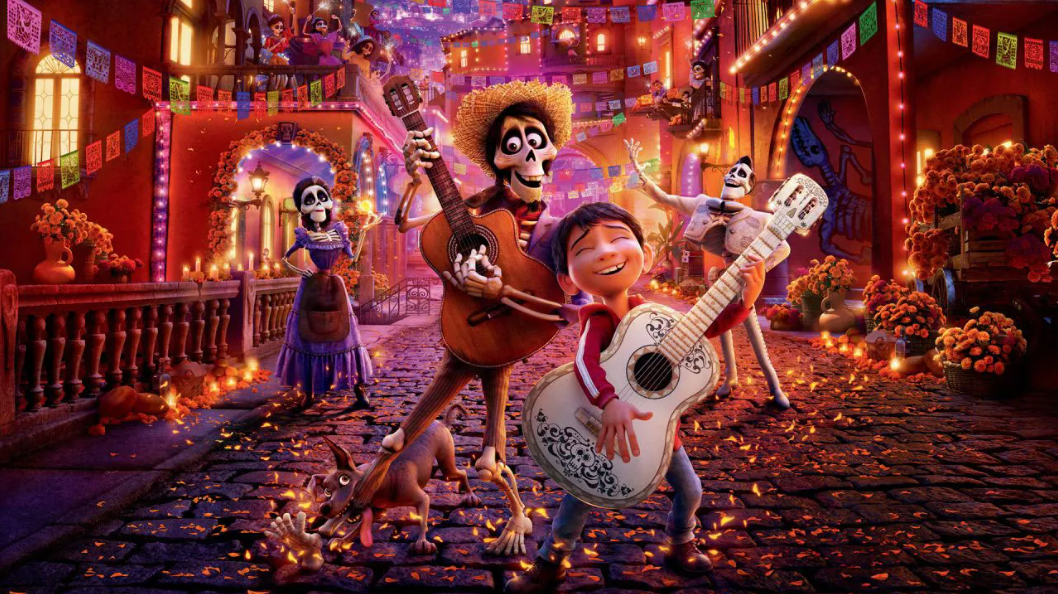
In Coco (2017), Pixar’s animated tribute to Mexican culture, the vibrant colors, traditional attire, and Day of the Dead symbolism celebrate Mexican heritage. The use of traditional music and cultural iconography not only entertains but educates, embedding pride and visibility into global consciousness.
Similarly, Lagaan (2001) combines Indian folk music, colonial history, and rural settings to construct a narrative deeply rooted in India’s cultural identity, while still appealing to global audiences.
Impact:
Through music and visual language, cinema creates a multisensory experience of cultural identity, preserving artistic traditions and connecting audiences to their heritage on both conscious and subconscious levels.
Youth Identity and the Shaping of Future Cultural Narratives
Cinema significantly influences how younger generations perceive and construct their cultural identity. Films targeted at youth often blend tradition with modernity, offering new frameworks for belonging, empowerment, and self-expression.
These stories can challenge outdated norms, redefine gender roles, or present alternative narratives that resonate with evolving cultural dynamics, shaping how young people engage with their roots.
Example:
Spider-Man: Into the Spider-Verse (2018) reimagines the iconic superhero through Miles Morales—a young, biracial protagonist navigating both his Afro-Latino heritage and his place in a globalized urban culture. The film merges traditional hero narratives with contemporary identity politics, inspiring diverse youth audiences to see themselves in mainstream storytelling.
In regional contexts, films like Gully Boy (2019) showcase the rise of Indian street rap, reflecting how youth subcultures and artistic rebellion contribute to reshaping cultural identity in urban India.
Impact:
Storytelling in youth-focused cinema offers emerging generations the tools to redefine cultural identity—bridging tradition with innovation, and empowering diverse expressions of belonging.
Cinema as Cultural Soft Power and Global Identity Projection

Beyond personal and community identity, storytelling in cinema functions as a form of cultural soft power—shaping how nations present themselves on the global stage. Films export values, aesthetics, and narratives that influence international perceptions, building cultural prestige, tourism, and diplomatic relationships.
For emerging nations or marginalized communities, cinematic storytelling becomes a strategic tool to counter stereotypes, showcase achievements, and cultivate global admiration.
Example:
The global success of Bollywood has positioned Indian cinema as a soft power force, exporting Indian music, dance, fashion, and values to international audiences. Films like Dilwale Dulhania Le Jayenge (1995) not only captivated Indian diaspora communities but also constructed romanticized ideals of Indian identity for global consumption.
Similarly, Black Panther (2018) presented a powerful vision of African identity through the fictional Wakanda, sparking global conversations on Afrofuturism, representation, and Black cultural pride.
Impact:
Cinema acts as cultural diplomacy, crafting narratives that project identity, reshape perceptions, and enhance global cultural influence—proving storytelling is as much about shaping external views as internal belonging.
Resisting Cultural Erasure Through Storytelling
In contexts of colonization, conflict, or systemic oppression, storytelling in cinema becomes a weapon of resistance—preserving endangered histories, exposing injustices, and fortifying cultural identity under threat.
Through film, marginalized communities can assert their presence, preserve memory, and challenge narratives that seek to erase their cultural existence.
Example:
The Act of Killing (2012) confronts Indonesia’s history of political violence by documenting perpetrators’ reenactments of atrocities. The film reclaims suppressed narratives, forcing national reflection and resisting the erasure of painful history.
In indigenous contexts, Smoke Signals (1998) became the first widely distributed film written, directed, and acted by Native Americans, resisting centuries of misrepresentation and silencing in mainstream media.
Impact:
Cinematic storytelling becomes a safeguard against cultural erasure—ensuring histories, identities, and voices endure, even amid efforts to suppress them.
Conclusion: Storytelling as the Soul of Cultural Identity
Storytelling in cinema is far more than narrative entertainment—it is a living, breathing expression of cultural identity. Through films, communities preserve heritage, challenge misrepresentation, bridge generational divides, and engage in global conversations about belonging, pride, and transformation.
From preserving endangered languages to confronting historical trauma, from projecting national prestige to empowering marginalized voices, cinematic storytelling molds how cultures remember, redefine, and reimagine themselves. It ensures that traditions survive, identities evolve, and diverse experiences are honored both within communities and on the world stage.
In an era of globalization, migration, and cultural hybridity, cinema becomes an indispensable tool for navigating complex identities—allowing stories to cross borders, connect hearts, and strengthen the threads that bind individuals to their roots.
As audiences, every film we engage with carries the potential to reshape our understanding of ourselves and others—proving that at its core, storytelling in cinema is not just about characters on screen, but about the enduring, evolving story of who we are.
About The Author


