
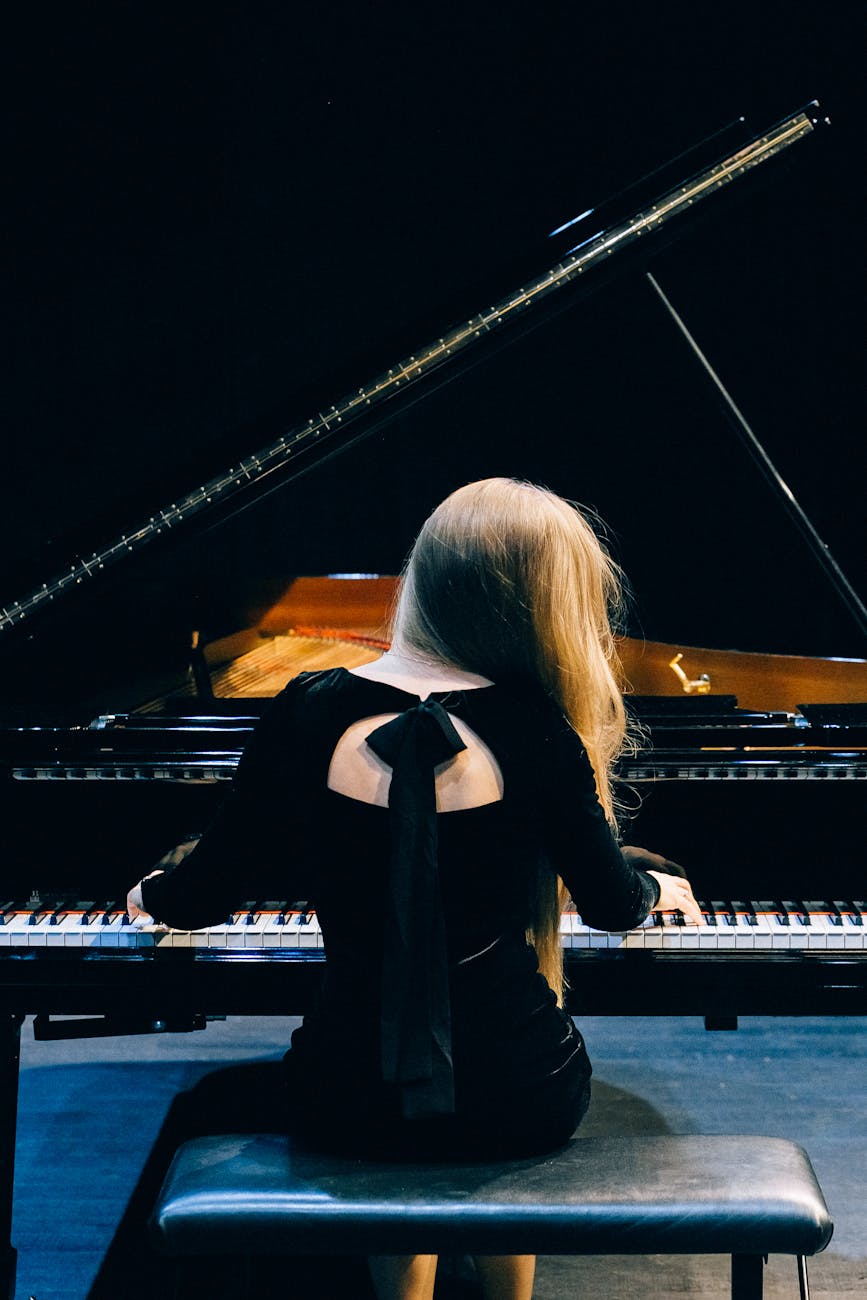
Music has always been a vessel for collective expression—capturing emotion, identity, and resistance in powerful, often transcendent ways. Yet, within this global sonic landscape, women’s voices have long battled to be heard, acknowledged, and respected. From lullabies sung in forgotten languages to revolutionary anthems echoing through protest streets, women have continuously shaped the musical narrative of societies across the world—even when institutions, markets, and histories sought to erase or sideline them.
This article examines the vital but often overlooked role of women in global music movements—beginning with their historical foundations and continuing through their contributions to cultural, political, and artistic change. It highlights how women have used music not only as a performance medium but as a strategy of empowerment, resistance, and reclamation.
Early Cultural Roles of Women in Music
Historically, music and sound were intimately tied to domestic, spiritual, and communal functions—areas where women were active, though seldom formally credited.
Folk and Oral Traditions:
- Across Indigenous and rural communities in Africa, Asia, and the Americas, women were key transmitters of oral traditions, singing folk tales, epics, and ceremonial songs that preserved cultural knowledge.
- Lullabies and work songs were central to community life—often coded with messages of endurance, sorrow, or hope. For example, West African women’s call-and-response chants during rice pounding or basket weaving subtly communicated solidarity and resistance.
- In India, bhakti poetry—often sung—featured prominent women like Mirabai, who defied patriarchal norms through devotional songs that expressed both divine love and personal liberation.
Although excluded from elite musical training in many societies, women were often the unsung custodians of communal soundscapes.

Religion, Gender, and Music
Religious traditions have been a double-edged sword for women in music—offering both suppression and space for expression.
Limitations:
- In many Islamic and Christian contexts, women were historically barred from performing in public, particularly in sacred spaces.
- Musical roles were often tied to notions of modesty, purity, or domesticity—limiting women’s participation to choirs, private gatherings, or gender-segregated audiences.
Opportunities:
- Gospel music in Black American churches gave rise to powerful female voices like Mahalia Jackson, who not only became musical icons but influenced political leaders and movements.
- In Sufi traditions, women’s spiritual songs and dances (such as those in Turkey and North Africa) emphasized transcendence and embodied devotion.
- Nuns in medieval Europe composed and performed sacred music. Hildegard of Bingen, a 12th-century German abbess, wrote some of the earliest surviving liturgical compositions by a woman.
Through religion, many women navigated restrictive norms to create powerful legacies, often coded in spiritual language that masked deeper social or feminist critiques.
Women in Classical and Court Music Traditions
In elite musical cultures—court orchestras, classical composition, and conservatory training—women historically faced structural exclusion. But some broke through with enduring impact.
Classical traditions:
- In Europe, composers like Clara Schumann and Fanny Mendelssohn struggled against family and institutional pressures, often having their work attributed to male relatives.
- In Mughal India, tawaifs (courtesans) mastered classical music and poetry. Though marginalized socially, they were cultural tastemakers, preserving genres like thumri and ghazal.
- In Japan, geishas were not merely entertainers—they were expert musicians, poets, and cultural archivists.
Women in classical spheres often lived paradoxes—praised for talent but penalized for ambition; trained rigorously but erased from canon. Still, their music survived, adapted, and influenced generations.

The Role of Women in Nationalist and Anti-Colonial Music Movements
As the 19th and 20th centuries ushered in revolutions and nationalist awakenings across the colonized world, women’s voices became instruments of both cultural pride and political resistance.
Case studies:
- In Algeria, during the war of independence, female rai singers like Cheikha Remitti used poetic songs to challenge both colonialism and patriarchy.
- Mercedes Sosa, the Argentine singer known as “the voice of the voiceless,” became a symbol of resistance through nueva canción—a genre blending folk with protest themes.
- In Vietnam, trống cơm (rice drum) songs sung by women carried anti-colonial messages disguised as traditional melodies.
These women did more than sing—they embodied the struggles of their people, often risking exile, arrest, or worse for their performances.
The Birth of Popular Music and the Amplification of Female Voices
The invention of recording technologies and radio broadcasting gave women an unprecedented platform—though often still within rigid aesthetic and commercial frameworks.
The early 20th century:
- Bessie Smith, the “Empress of the Blues,” sang about Black womanhood, poverty, and sexuality with unapologetic clarity, reshaping American music and civil discourse.
- In Egypt, Umm Kulthum became a cultural colossus. Her voice united the Arab world every Thursday night, blending classical maqam with nationalist poetry.
- Édith Piaf rose from the streets of Paris to global fame, channeling personal tragedy into musical catharsis.
These women shaped national identities, redefined celebrity, and opened doors for the female-centered musical narrative in pop culture.

Challenges of Representation and Control
Even as women entered the global music industry in greater numbers, they were often objectified, underpaid, or creatively restricted.
Industry barriers:
- Label executives, producers, and promoters—mostly male—controlled access to studios, contracts, and distribution.
- Women artists were expected to conform to idealized roles—seductive diva, innocent ingénue, or tragic muse.
- Many faced sexual harassment, economic exploitation, and erasure of creative credit.
Despite these challenges, countless women persisted—turning personal struggle into powerful songwriting and reshaping what it meant to be both artist and woman.
Reclaiming the Mic: Women in Punk, Rock, and Riot Grrrl
The 1970s and ’80s saw a fiery transformation in the landscape of women’s musical expression. While pop stars like Madonna were redefining commercial aesthetics of femininity and sexuality, a parallel underground movement—punk—offered women something even more radical: the freedom to be raw, loud, political, and unapologetically themselves.
Punk and feminist disruption:
- In the UK, bands like The Slits, X-Ray Spex, and Siouxsie and the Banshees defied expectations, wielding guitars and rebellion in equal measure.
- In the U.S., the Riot Grrrl movement emerged in the early 1990s as a response to sexism in both punk culture and mainstream society. Led by bands like Bikini Kill, Bratmobile, and Heavens to Betsy, this movement fused music with zine culture, grassroots activism, and DIY ethics.
- Lyrics often addressed topics like body autonomy, rape culture, queer identity, and mental health—years before these subjects became mainstream conversation.
Riot Grrrl wasn’t just about music. It was about reclaiming space, creating solidarity, and rejecting patriarchal norms in the music scene. It inspired feminist movements worldwide—from Latin America’s Ni Una Menos to Indonesia’s all-female punk collectives.

Women in Hip-Hop: Breaking Rhymes and Barriers
Hip-hop began in the Bronx in the 1970s, and women were part of the movement from day one. Yet, their contributions have often been marginalized, their narratives distorted, or their roles reduced to sidekicks in a male-dominated culture.
Key pioneers:
- MC Sha-Rock, a member of Funky 4 + 1, is widely recognized as the first female MC in hip-hop history.
- Salt-N-Pepa brought feminist energy to mainstream rap in the late 1980s and early ’90s, challenging gender double standards and embracing sexual autonomy.
- Queen Latifah, with tracks like “U.N.I.T.Y.,” demanded respect for women and carved space for socially conscious lyricism.
Contemporary powerhouses:
- Nicki Minaj, Cardi B, Megan Thee Stallion, and Doja Cat have redefined what it means to be a woman in hip-hop—balancing sexual agency, lyrical prowess, and cultural influence.
- Artists like Little Simz (UK), Akua Naru (Germany/US), and Raja Kumari (India/US) bring diasporic and global feminist perspectives to the genre.
Despite enduring misogyny, body policing, and industry tokenism, women in hip-hop continue to push boundaries—making room for complex narratives and powerful identities.
Pop Icons and Cultural Influence
In the realm of pop music, women have often led the charge in blending art with activism. From the 1980s to today, pop icons have not only shaped sound but also public discourse on gender, politics, and power.
Impactful figures:
- Madonna challenged religious taboos, redefined female sexuality, and used visual storytelling to provoke conversation on censorship and identity.
- Beyoncé, especially with her 2016 album Lemonade, blended Black feminism, Southern Gothic aesthetics, and political commentary—while amplifying the work of women poets, filmmakers, and activists.
- Lady Gaga broke norms around mental health, LGBTQ+ identity, and fame itself, turning pop performance into a space for emotional and social exploration.
- In Latin America, artists like Rosalía, Anitta, and Karol G are reclaiming genre spaces like flamenco, reggaetón, and trap through feminist lenses.
Mainstream success does not always equal freedom—but these artists prove that pop can be a platform for powerful, transformative storytelling.

Global Movements: Women Taking the Stage Across Cultures
Women are leading musical movements across the Global South—not as imitations of Western models, but as cultural innovators responding to their own histories and struggles.
Case studies:
- In Iran, singers like Golandam Taherzadeh and collectives like Yalda Night challenge strict bans on women singing publicly, often performing in underground venues or anonymously online.
- In Afghanistan, artists like Aryana Sayeed have faced threats for performing as unveiled women—but persist in using music to challenge Taliban-era suppression.
- Malian singer Oumou Sangaré has used her platform to oppose child marriage and gender-based violence, blending traditional Wassoulou music with modern feminist messages.
- In Palestine, women rappers like Shadia Mansour rap in Arabic about occupation, cultural resistance, and survival—asserting both musical and political agency.
These artists risk censorship, violence, and exile, but continue to sing for dignity, freedom, and change—often representing both artistic and activist movements simultaneously.
The Role of Women in Music Festivals and Activist Spaces
In response to the male-dominated music festival circuit, feminist musicians and organizers have created their own stages—spaces where women’s music is not tokenized, but centered.
Examples:
- Lilith Fair, founded in the late 1990s by Sarah McLachlan, showcased only women performers and proved that all-female lineups could sell out stadiums.
- WOMAD (World of Music, Arts and Dance) has consistently featured women-led acts from across the globe, prioritizing cultural diversity and equity.
- Grassroots festivals like Grrrl Zines A Go-Go (U.S.), Sound Sisters (Brazil), and Voice of Women Festival (South Africa) create safe spaces for women, non-binary, and LGBTQ+ artists to perform, organize, and heal.
These festivals are resistance in action—challenging gatekeeping, pay gaps, and sexual harassment in live performance settings.
Women and the Digital Revolution
The internet has transformed music distribution, but for women, it has been both an opportunity and a battlefield.
Opportunities:
- Platforms like SoundCloud, Bandcamp, and YouTube have allowed independent female artists to build audiences without needing record label backing.
- Social media has enabled artists like Rina Sawayama, Chika, and Arlo Parks to cultivate unique brands and reach niche communities globally.
Challenges:
- Online abuse, harassment, and trolling disproportionately target women—especially queer and trans artists, women of color, and those who challenge gender norms.
- Algorithms can reinforce biases, often favoring men or hypersexualized representations of women over diverse or politically charged content.
Despite this, women are using the internet not just to share music—but to build movements, communities, and countercultures.

Women Behind the Scenes: Producers, DJs, and Executives
Representation is not just about who’s on stage—it’s about who controls the studios, mixes, labels, and policies.
Progress:
- Linda Perry, Missy Elliott, and Grimes have blurred the lines between performer and producer, showing that women can run the entire show.
- Peggy Gou, HAAi, and Honey Dijon are redefining global electronic music, pushing back against the male dominance of club and DJ culture.
- Initiatives like SheSaid.So, Girls Rock Camp, and Women in Music advocate for industry inclusion, mentorship, and data transparency.
Women behind the console and contract desk are often the ones shaping the future of sound and equity—invisible, but essential.
Looking Ahead: A Sonic Future for All
The past decades have seen powerful advances for women in music, but challenges remain. Pay disparities, festival underrepresentation, harassment, and systemic exclusion persist. However, the momentum is undeniable.
Young women around the world are picking up microphones, samplers, and software—not to imitate the past, but to forge new futures in their own voices. As music becomes more global, decentralized, and digital, women are not only occupying space—they’re transforming what that space can be.
Their voices are not add-ons to musical history—they are integral to its rhythm.
References
- https://www.theguardian.com/music/2020/aug/19/women-in-hip-hop-the-long-fight-for-respect
- https://shesaid.so/
- https://www.bandcamp.com/
- https://soundcloud.com/
- https://www.femalepressure.net/
About The Author


