
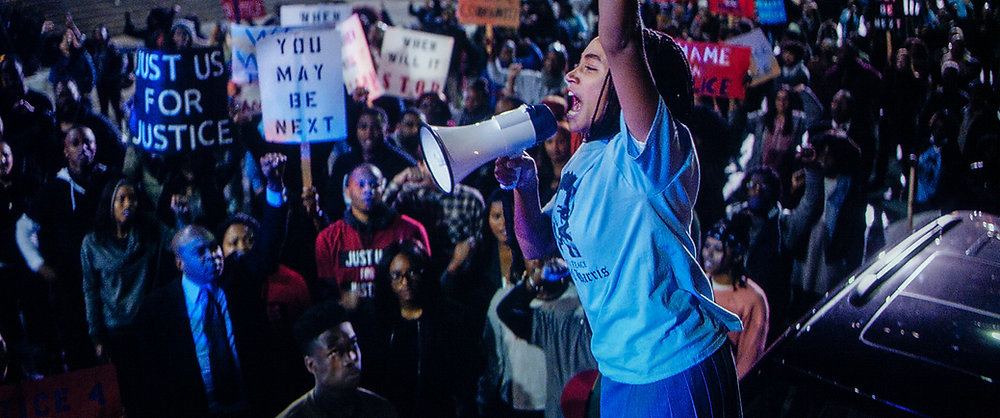
The Unseen Force Behind Social Change
History remembers movements, but movements begin with stories. Behind every protest, every revolution, and every shift in collective conscience, there is a narrative that stirred hearts, bridged divides, and sparked action. Storytelling social change is not a modern invention—it’s an ancient catalyst, woven into everything from oral traditions to viral hashtags.
In today’s hyper-connected world, the ability to tell a compelling story is the most powerful tool available to activists, organizers, and everyday individuals seeking change. Stories cut through noise, humanize statistics, and build empathy that transcends borders. But beyond emotion, storytelling provides structure—turning isolated grievances into a unified movement.
As global movements rise, from climate justice to gender equality, understanding how storytelling shapes them is crucial to creating lasting social impact.
Why Storytelling Drives Social Change
Stories are more than entertainment—they are frameworks for understanding the world. When it comes to social movements, they are indispensable for three reasons:
Stories Humanize Complex Issues
People struggle to connect with abstract statistics or distant policy debates. But personal stories—raw, emotional, and real—bridge that gap. They remind audiences that behind every crisis is a human life impacted by it.
Example:
When survivors shared their personal accounts during the #MeToo movement, the issue of harassment became impossible to ignore. It wasn’t just policy—it was the lived reality of millions.
Storytelling Builds Collective Identity
Successful movements are not just collections of individuals—they are communities united by shared narratives. These stories foster belonging, purpose, and solidarity.
Example:
The global resonance of Black Lives Matter lies in its powerful storytelling: each tragic loss, every protest, and every act of resilience adds to a broader, shared narrative of fighting systemic injustice.
Narratives Mobilize Action
Information informs, but emotion moves people to act. Effective storytelling transforms passive observers into participants, allies, and advocates.
Example:
Greta Thunberg’s personal school strike in Sweden could have gone unnoticed. But framed as a simple yet profound story of youth demanding accountability, it evolved into a global movement for climate justice.
Historical Examples: Storytelling at the Heart of Movements

Throughout history, social movements have leveraged storytelling as a strategic and emotional tool to challenge oppression, unify voices, and disrupt the status quo. While policies, leaders, and protests are vital, it’s the narrative that gives movements coherence and moral force.
Civil Rights Movement (1960s)
The American Civil Rights Movement is a masterclass in the power of storytelling social change. Leaders like Dr. Martin Luther King Jr. understood that the movement was not only about laws—it was about reshaping the national conscience through compelling narratives.
Key Storytelling Elements:
- Televised images of peaceful protesters facing brutal violence in Selma, Birmingham, and Montgomery told a story that transcended politics—it showed the human cost of systemic racism.
- Dr. King’s “I Have a Dream” speech is remembered not as a policy proposal, but as a visionary narrative of equality and justice that ignited hope.
Impact:
Public outrage fueled by these stories directly contributed to landmark legislation, including the Civil Rights Act (1964) and the Voting Rights Act (1965).
Anti-Apartheid Movement
For decades, South Africa’s apartheid regime maintained control through censorship and propaganda. But global storytellers—activists, musicians, journalists—countered this with narratives exposing the truth.
Central Narrative:
- Nelson Mandela’s life, from imprisoned revolutionary to global symbol of reconciliation, became a story of resilience and hope that captivated the world.
- Songs like Free Nelson Mandela and films depicting apartheid atrocities amplified the movement internationally.
Result:
These narratives mobilized global pressure—sanctions, protests, and cultural boycotts—that ultimately contributed to dismantling apartheid.
LGBTQ+ Rights Movements
Stories of love, identity, and discrimination have driven LGBTQ+ rights movements across the globe.
Example:
- Personal coming-out stories, shared through books, films, and social media, demystified LGBTQ+ identities for millions.
- Films like Philadelphia (1993) and more recent shows like Pose told powerful, human-centered stories of marginalized communities.
Effect:
These stories softened public attitudes, influenced legal victories, and empowered countless individuals to embrace their identities.
Modern Social Movements and Narrative Power

In the digital era, storytelling has evolved beyond speeches and newspapers. With smartphones, social media, and global platforms, movements can now amplify their stories instantly, reaching millions and reshaping cultural conversations.
Digital Storytelling and Hashtag Activism
Social media has revolutionized how movements tell stories. A single tweet, image, or video can ignite global outrage or solidarity in minutes.
Examples:
- #BlackLivesMatter emerged as a rallying cry after stories of police brutality circulated online, exposing systemic racism through powerful visual evidence.
- #MeToo transformed individual accounts of harassment into a global chorus demanding change, with survivors sharing deeply personal experiences across platforms.
- #FridaysForFuture, sparked by Greta Thunberg, evolved into a climate movement fueled by youth stories, protest visuals, and online community building.
Impact:
These digital narratives bypass traditional media gatekeepers, empowering marginalized voices and accelerating momentum for change.
Documentary Storytelling
Visual storytelling through documentaries immerses audiences in lived experiences, making complex issues relatable and emotionally impactful.
Examples:
- 13th by Ava DuVernay revealed the links between mass incarceration and racial inequality, using historical storytelling to provoke reflection and action.
- Seaspiracy exposed the environmental impact of commercial fishing, driving global debate on sustainability.
- The Social Dilemma highlighted the psychological manipulation behind social media platforms, sparking conversations about tech ethics and regulation.
Why It Works:
Documentaries use emotional narratives, real-life characters, and striking visuals to break down barriers to understanding, transforming viewers from passive consumers to informed advocates.
Visual Arts and Protest Culture
Storytelling is not confined to words or screens. Protest art, murals, and street performances become living, breathing stories that demand attention.
Example:
Following George Floyd’s death, murals, graffiti, and public installations worldwide told a collective story of grief, anger, and hope. These visual narratives transformed cityscapes into canvases of resistance.
Effect:
Protest art bypasses language barriers, using imagery to evoke emotion, disrupt public spaces, and amplify the message of movements.
Key Elements of Effective Storytelling for Social Change
Not all stories spark movements. The most impactful narratives share specific qualities that evoke emotion, inspire action, and sustain momentum. Whether told through speeches, social media, films, or protests, effective storytelling social change follows certain principles.
Emotional Resonance
To move people beyond awareness into action, stories must strike an emotional chord—whether it’s anger, hope, sorrow, or empathy.
Example:
The image of Aylan Kurdi, a three-year-old Syrian refugee washed ashore, transformed public discourse on the refugee crisis. In an instant, a complex geopolitical issue became a human tragedy no one could ignore.
Tip:
Center individual, relatable human experiences over abstract concepts or overwhelming statistics.
Simplicity and Clarity
Social issues are complex, but stories that mobilize change simplify these complexities without diluting the message.
Example:
Malala Yousafzai’s story is powerful because it distills the global struggle for girls’ education into a personal, relatable narrative of courage.
Why It Matters:
Audiences overwhelmed by complexity disengage. Simple, clear narratives foster understanding and connection.
Authentic Voices
Authenticity builds trust. Movements grounded in lived experiences resonate more deeply than detached commentary.
Avoid:
Overproduced, disconnected narratives that feel inauthentic.
Embrace:
Raw, personal accounts told by those directly affected.
Example:
The disability rights movement amplifies voices of disabled individuals rather than relying solely on external advocates, making the message more credible and impactful.
Hope-Driven Narratives
While exposing injustice is crucial, stories rooted only in despair can paralyze audiences. Effective movements balance outrage with hope, offering a vision of change.
Example:
The success of marriage equality campaigns globally stemmed from stories of love and family, not just discrimination. By showing what’s possible, these narratives inspired action.
Key Takeaway:
Stories that combine awareness with solutions sustain engagement longer than narratives based solely on fear or anger.
Challenges in Storytelling for Social Change

While storytelling is a powerful catalyst for social movements, it is not without risks and limitations. Missteps in narrative strategy can undermine credibility, fatigue audiences, or unintentionally exploit those most affected.
Understanding these challenges is essential to ensuring that storytelling social change remains ethical, effective, and sustainable.
Narrative Fatigue
In an age of constant content, audiences are inundated with stories of injustice. Overexposure can lead to desensitization or emotional burnout.
Example:
Images of conflict, environmental disasters, or police violence often flood newsfeeds, yet repeated exposure can numb emotional responses, reducing urgency for action.
Solution:
Movements must vary storytelling formats, introduce new voices, and emphasize solution-focused narratives to sustain public engagement.
Oversimplification of Complex Issues
Simplifying a narrative for accessibility risks distorting realities. Reducing systemic issues to soundbites or slogans can oversimplify root causes and hinder comprehensive solutions.
Example:
While slogans like “Defund the Police” sparked debate, critics argue that without nuanced storytelling, the complexities of reform were lost, polarizing public opinion.
Balance Required:
Stories must strike a careful balance—accessible enough to resonate, yet complex enough to honor the truth.
Exploitation and Trauma Fatigue
Personal stories, especially those involving trauma, can be co-opted for shock value, fundraising, or political gain without respecting the dignity of the storyteller.
Risks Include:
- Re-traumatizing individuals
- Reducing people to symbols of suffering
- Commodifying personal pain for public consumption
Example:
Some survivors of violence or discrimination report feeling pressured to repeatedly share painful experiences for the sake of the movement, with little support in return.
Best Practice:
Storytelling should center consent, respect, and support for those sharing their narratives.
Conclusion: Storytelling as the Backbone of Social Movements
At the heart of every successful social movement lies a story—of injustice, of hope, of resistance. While laws, protests, and policies shape society, it is stories that reach the human heart, that stir empathy, that transform isolated voices into a unified call for change.
In today’s complex world, the ability to harness storytelling social change is more crucial than ever. From the streets of global protests to the quiet courage of a survivor’s testimony, stories connect people across divides, reveal shared humanity, and remind us that change begins with understanding.
But with great narrative power comes responsibility. Effective storytelling must prioritize authenticity, amplify marginalized voices, and avoid exploitation. It must inspire action, but also sustain it through hope, clarity, and respect.
As new movements rise and old injustices resurface, one truth remains: policies may legislate change, but stories ignite it. In every whispered conversation, viral video, mural, or hashtag lies the potential to awaken conscience—and to rewrite the future.
The question is not whether stories can change society—but whether we are listening.
About The Author


