
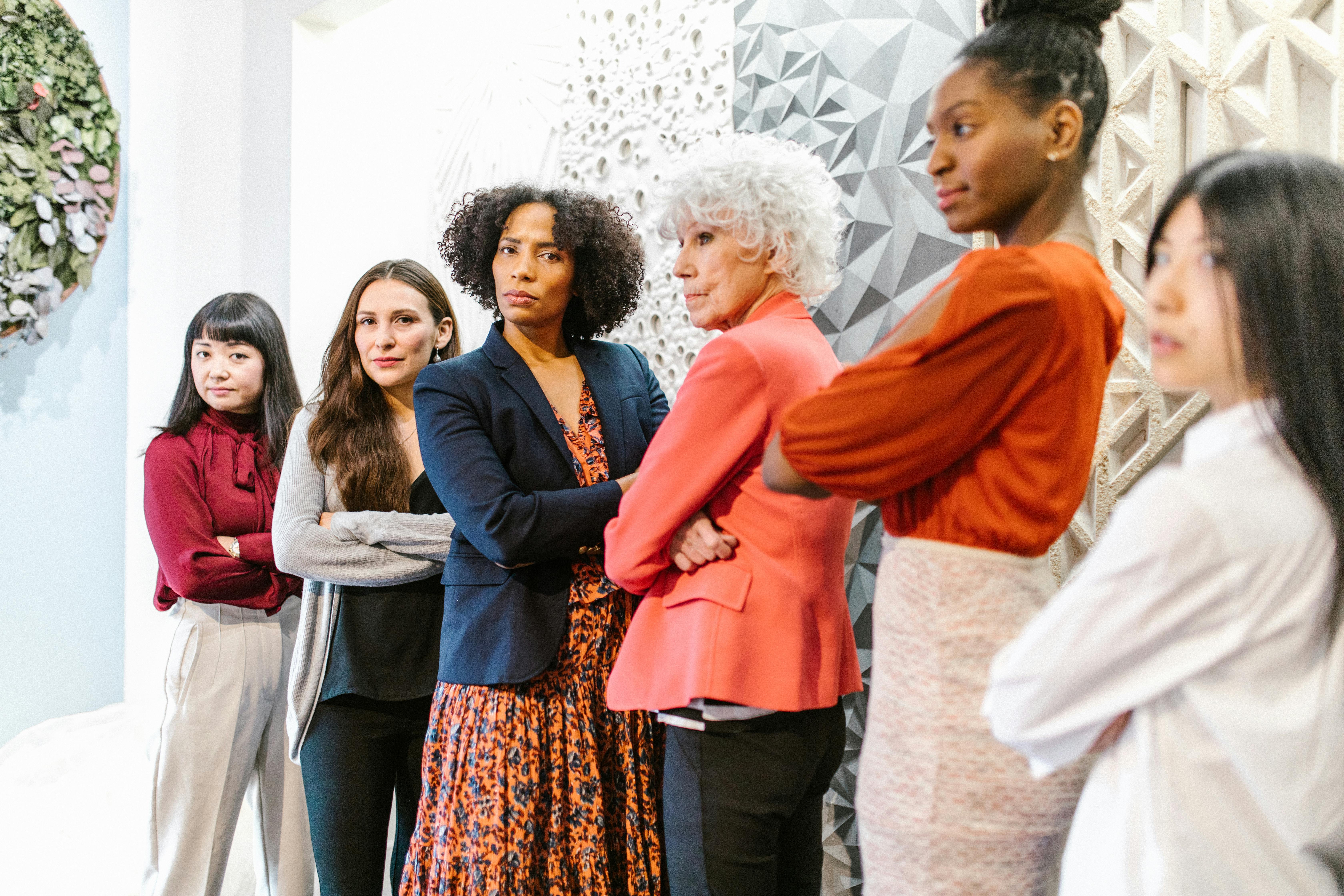
Across time and geography, women have been central agents of cultural transformation. While traditional narratives have often marginalized their contributions, closer analysis reveals that women have continuously influenced language, values, rituals, education, economics, and governance—often from behind the scenes. Their participation has not only redefined gender roles, but also reshaped societies.
This article examines how women contribute to cultural change across eras and continents. In this article, we explore foundational roles, early resistance movements, and the ways in which women have historically influenced societal norms—often under constraints.
What Do We Mean by Cultural Transformation?
Cultural transformation refers to significant shifts in a society’s norms, behaviors, values, and social practices over time. These changes may be gradual or revolutionary, voluntary or imposed. While often driven by technology, politics, or economics, cultural shifts are deeply intertwined with the actions and decisions of individuals and communities.
Women’s role in this process is especially powerful because:
- They shape culture at both private (family) and public (community) levels.
- They pass on language, customs, and ethics through childrearing and education.
- They serve as cultural transmitters across generations and geographies.
Women as Custodians of Culture
Historically, women have been perceived as cultural preservers—upholding traditions, rituals, and social norms within the household and community.
Key roles included:
- Storytelling and oral history: In African, Indigenous, and South Asian cultures, women passed on folktales, myths, and songs that preserved language and heritage.
- Domestic education: Mothers and grandmothers were responsible for teaching children religious rituals, customs, and moral frameworks.
- Art and crafts: Textile-making, pottery, weaving, and embroidery were not only economic activities but also symbolic carriers of cultural identity.
Example: In the Navajo Nation, weaving is traditionally done by women and reflects spiritual, historical, and communal values. Patterns in rugs and blankets are visual narratives that preserve the tribe’s legacy.
Even in patriarchal societies where women lacked formal power, they exercised “soft power” through these cultural duties—shaping belief systems from within.

Early Resistance and Cultural Subversion
Women have not only preserved culture but have also acted as catalysts of change—challenging outdated norms and initiating new practices, even when social structures constrained their visibility.
Forms of early cultural resistance:
- Reinterpreting religious texts: In the 13th century, Christian mystic Julian of Norwich wrote theology that emphasized feminine imagery for God, challenging dominant male narratives.
- Matrilineal societies: In communities like the Minangkabau in Indonesia or the Akan in Ghana, women had economic and political authority through maternal lineage, undermining male-centric cultural assumptions.
- Folk protest: Women-led songs and dances in India’s Chipko Movement, or in African anti-colonial struggles, encoded political resistance in cultural forms.
Example: During colonial rule in Nigeria, the 1929 Aba Women’s Protest saw thousands of Igbo women rise against unfair taxation. Using song, dance, and collective presence, they transformed cultural expectations about gender and resistance.
These actions laid the groundwork for modern feminist and civil rights movements.
Education as a Tool of Cultural Influence
Access to education has historically been a turning point in enabling women to transform culture.
Impact of women’s education:
- Language and literacy: Literate women publish, teach, and advocate. In the 19th century, women’s literature—like that of Jane Austen or Mary Wollstonecraft—challenged social expectations and subtly questioned patriarchal culture.
- Global reformers: Women like Fatima al-Fihri (founder of the world’s oldest university in Morocco) and Savitribai Phule (India’s first female teacher) used education to uplift entire communities.
- Pedagogy and curriculum: Women teachers across the world—from rural Africa to Latin America—play a direct role in shaping what future generations learn and believe.
Education has not just empowered women individually—it has shifted the cultural focus from tradition-bound patriarchy to inclusive progress.

The Domestic Sphere as a Site of Transformation
While often undervalued, the domestic sphere has been a powerful site of cultural negotiation.
Women influence culture by:
- Challenging roles at home: As women resist rigid domestic roles, they reshape norms about parenting, partnership, and power dynamics.
- Introducing progressive values: Educated mothers often raise children with more egalitarian worldviews, influencing future political and social behavior.
- Balancing modern and traditional expectations: In many households, women act as cultural translators—preserving heritage while integrating modern practices.
Example: In migrant communities in the U.S. or Europe, women often preserve religious and cultural rituals while adapting them to new environments, creating hybrid cultural identities for their children.
The home, far from being a passive space, becomes a frontline in the contest between tradition and transformation.
Women in the Arts and Culture Industry
Creative expression has offered women a platform to influence culture beyond domestic or community roles.
Roles in cultural transformation:
- Writers and poets: Figures like Maya Angelou, Kamala Das, and Nawal El Saadawi used literature to critique patriarchy and colonialism.
- Musicians and performers: Women like Miriam Makeba in South Africa and Umm Kulthum in Egypt used music to promote national identity and challenge gender norms.
- Visual artists: From Frida Kahlo in Mexico to Amrita Sher-Gil in India, women artists have used personal narratives to question cultural taboos.
These voices shape national conversations on gender, identity, race, and justice—often far more powerfully than official discourse.

From oral traditions and religious reinterpretations to literature, protest, and pedagogy, women have been deeply involved in both preserving and transforming culture. While their contributions have often been overlooked or suppressed, they form the backbone of many cultural evolutions.
Women as Leaders in Social Movements
Throughout history, women have played key roles in initiating or sustaining social movements. Often underestimated or erased from dominant narratives, their leadership has nonetheless catalyzed lasting cultural and political reforms.
Notable examples:
- India’s freedom movement: Women like Sarojini Naidu, Kasturba Gandhi, and Kamaladevi Chattopadhyay organized boycotts, led protests, and built schools—all while redefining gender roles in a colonized society.
- The American Civil Rights Movement: Rosa Parks’ 1955 refusal to give up her seat was not an isolated event—it followed years of organizing by women in the Montgomery Improvement Association and NAACP.
- Liberia’s peace movement: In 2003, Christian and Muslim women united under the Women of Liberia Mass Action for Peace, led by Leymah Gbowee. Their nonviolent protest helped end Liberia’s civil war and paved the way for Africa’s first elected female head of state, Ellen Johnson Sirleaf.
These examples highlight that women don’t just support change—they often architect it.

Grassroots Power: Community Organizing and Cultural Shifts
While large movements get global attention, cultural change also takes place through quiet, consistent efforts at the community level—often led by women.
Women-led initiatives that have reshaped culture:
- SEWA (Self Employed Women’s Association) in India organizes informal women workers to fight for labor rights and social protections. Their work has influenced both economic and cultural recognition of domestic and agricultural labor.
Source: https://www.sewa.org - The Green Belt Movement in Kenya, founded by Wangari Maathai, connected environmental justice to women’s rights by empowering rural women to plant trees and fight land degradation.
- Mothers of the Plaza de Mayo in Argentina protested the disappearance of their children during the dictatorship, turning grief into a decades-long cultural and legal movement for human rights.
These efforts often begin with personal need—access to water, food, or justice—but grow into transformative forces that challenge patriarchal and colonial legacies.

Women and the Language of Protest
Cultural transformation often begins with language—with how a society speaks about identity, justice, or power. Women’s movements have redefined the public vocabulary around oppression and freedom.
Examples of cultural redefinition:
- “The personal is political”: Coined during second-wave feminism, this phrase reframed private struggles (e.g., domestic violence, reproductive rights) as systemic issues. It altered how culture views relationships, family, and autonomy.
- SlutWalks: Begun in Canada in 2011, these protests challenged victim-blaming in sexual assault cases and sparked global discussions about dress, consent, and public space.
- #MeToo: Originally launched by Tarana Burke in 2006 and amplified in 2017, the movement created a global shift in how workplace harassment and gender-based violence are acknowledged and addressed.
Source: https://metoomvmt.org
By redefining terms and reclaiming narratives, these movements didn’t just push for policy change—they altered how cultures understand gender and power.
Intersectionality: Understanding Layered Identities
Cultural change is not experienced equally. Women are not a monolithic group, and cultural transformation is often driven at the intersections of gender, race, class, and religion.
Why intersectionality matters:
- Black women in the U.S. have long highlighted how racism and sexism intersect, shaping unique lived experiences. Activists like Angela Davis and bell hooks emphasized that cultural liberation requires addressing multiple oppressions simultaneously.
- Dalit women in India face caste-based violence that upper-caste feminist movements sometimes overlook. Their activism has challenged both patriarchy and casteism through writing, organizing, and public protest.
- Muslim feminists globally navigate a dual challenge: confronting patriarchal interpretations of religion while resisting Islamophobic external narratives.
Understanding these intersections expands the scope of cultural change. It ensures that transformation is not superficial or elitist but rooted in the realities of the most marginalized.
The Role of Women in Education Reform
Cultural transformation often begins in classrooms. Women educators, reformers, and advocates have long shaped how societies teach values, identity, and history.
Examples of cultural impact through education:
- Malala Yousafzai survived a Taliban assassination attempt in 2012 and became a global advocate for girls’ education. Her activism has reframed the global conversation on education as a human right.
Source: https://malala.org - Maria Montessori, one of Italy’s first female doctors, developed a revolutionary child-centered pedagogy that has spread across more than 140 countries.
- In Latin America, women like Gabriela Mistral—teacher, poet, and Nobel laureate—used education as a tool for social equality and cultural pride.
By shaping curriculums and access, women influence how culture is passed on, disrupted, and reimagined.
Women in Religion and Spiritual Movements
Even within deeply patriarchal religious systems, women have consistently pushed for reform, reinterpretation, and cultural renewal.
Examples of women-led religious transformation:
- Amina Wadud, an Islamic scholar, has led prayers and argued for gender-just Quranic interpretation, sparking global dialogue on women’s rights in Islam.
- Sister Teresa Forcades, a Catalan nun and public intellectual, critiques capitalism and patriarchal religion from a theological lens.
- In Hinduism, women like Mata Amritanandamayi (“the hugging saint”) have gained spiritual leadership roles that attract global followings—challenging male dominance in religious authority.
By challenging dogma and embodying spiritual leadership, these women reshape not just doctrine but the cultural role of religion in daily life.
From protest marches and grassroots organizing to religious reform and education, women have continued to be at the heart of cultural transformation. Their actions do not merely “add” women to existing systems—they fundamentally alter how those systems operate and whom they serve.
Digital Activism and Online Movements
Social media and digital platforms have become powerful tools for women to spark cultural conversations, lead movements, and amplify marginalized voices.
Key digital movements led by women:
- #MeToo, started by Tarana Burke and later amplified globally, brought down powerful figures and transformed conversations on workplace harassment.
https://metoomvmt.org - #SayHerName, created by the African American Policy Forum, centers Black women victims of police violence in the U.S., challenging gender bias in racial justice narratives.
- #NiUnaMenos (“Not One Less”), originated in Argentina and spread through Latin America, mobilizing millions to protest femicide and gender-based violence.
Online platforms enable women to bypass gatekeepers, share lived experiences, and organize across national and cultural boundaries—creating a new public square for activism.
Women and Legal Change
Cultural transformation often requires institutional validation. Women lawyers, judges, lawmakers, and activists have been instrumental in passing legislation that reflects new values and protects rights.
Global legal advancements:
- Tunisia passed one of the Arab world’s most progressive laws against violence toward women in 2017, thanks to feminist advocacy.
- Iceland made it illegal to pay women less than men for the same work, leading global gender pay equity reforms.
- Rwanda has one of the highest rates of female parliamentary representation in the world—over 60%—shaping policies around education, healthcare, and gender equality.
https://data.ipu.org/women-ranking?month=6&year=2023
Laws alone don’t transform culture, but they create a framework where change is possible—and signal a shift in collective values.

Representation in Media and Pop Culture
For centuries, women were either absent or stereotyped in media. Today, growing demands for inclusion are reshaping how stories are told—and who gets to tell them.
Cultural impacts of women in media:
- Directors and creators like Ava DuVernay, Chloé Zhao, and Deepa Mehta use film to challenge racial and gender narratives.
- Fictional characters like Moana, Kamala Khan (Ms. Marvel), and Shuri from Black Panther provide role models outside the Western white male paradigm.
- Journalists and influencers such as Maria Ressa in the Philippines use digital media to fight misinformation and promote press freedom—at great personal risk.
https://rsf.org/en/maria-ressa
When women shape the narratives we see and hear, cultural expectations shift: leadership, heroism, intelligence, and emotional strength take on new dimensions.

Cultural Shifts in Family and Relationships
Family remains a key site of cultural transformation. Women are leading the way in redefining what families can look like and how they function.
Examples of evolving norms:
- Same-sex parenting is gaining legal recognition in countries like Spain, South Africa, and parts of Latin America, often driven by women-led advocacy.
- Solo motherhood through IVF or adoption has become more accepted in urban centers globally, especially as financial independence increases.
- Work-life balance advocacy by women professionals is challenging outdated notions of domestic labor and unpaid care—pushing for paternity leave and workplace flexibility.
These shifts reframe not just legal family definitions but broader ideas of caregiving, partnership, and gender identity.
Global Sisterhood and Cross-Cultural Solidarity
Transnational alliances are amplifying the impact of women-led cultural change. Organizations, networks, and conferences now connect women from different backgrounds to share strategies, research, and mutual support.
Notable networks:
- AWID (Association for Women’s Rights in Development): A global feminist organization that connects activists across over 150 countries.
https://www.awid.org - Equality Now: Advocates for the protection of legal rights for women and girls worldwide, working to end sexual violence and harmful practices.
https://www.equalitynow.org - UN Women’s Generation Equality Forum: Brings together states, corporations, and civil society to commit to gender-equal futures.
https://forum.generationequality.org
These efforts demonstrate that cultural change is most enduring when it is collaborative, intersectional, and informed by the lived realities of diverse women.
Women and the Future of Cultural Transformation
Looking ahead, the role of women in shaping culture will only become more central—especially as technology, migration, and climate change disrupt existing structures.
Future-focused contributions:
- Tech for inclusion: Women are designing apps for mental health, reproductive tracking, domestic safety, and community organizing.
- Climate feminism: Leaders like Vanessa Nakate and Greta Thunberg frame environmental justice through gender equity, acknowledging that climate crises disproportionately affect women.
- AI and ethics: Scholars such as Timnit Gebru are pushing for transparency and anti-bias in algorithmic systems that govern finance, healthcare, and surveillance.
Women are not just reacting to the future—they are building it. By integrating cultural knowledge with innovation, they are ensuring that future societies will reflect values of equity, empathy, and justice.
Conclusion: Women as Architects of Culture
Women are not just participants in cultural life—they are architects of it. Whether through protest, pedagogy, legislation, art, or digital platforms, they continuously shape the contours of what societies believe, value, and strive toward.
Cultural transformation is not only about visible revolutions. It’s about who gets to tell stories, raise children, define norms, and imagine futures. Women have always done this work. The difference now is that the world is finally beginning to acknowledge it.
Further Resources
- Malala Fund – Education and empowerment: https://malala.org
- UN Women Reports: https://www.unwomen.org/en/digital-library/publications
- Women’s Learning Partnership: https://learningpartnership.org
- Association for Women’s Rights in Development (AWID): https://www.awid.org
- Global Fund for Women: https://www.globalfundforwomen.org
About The Author


