
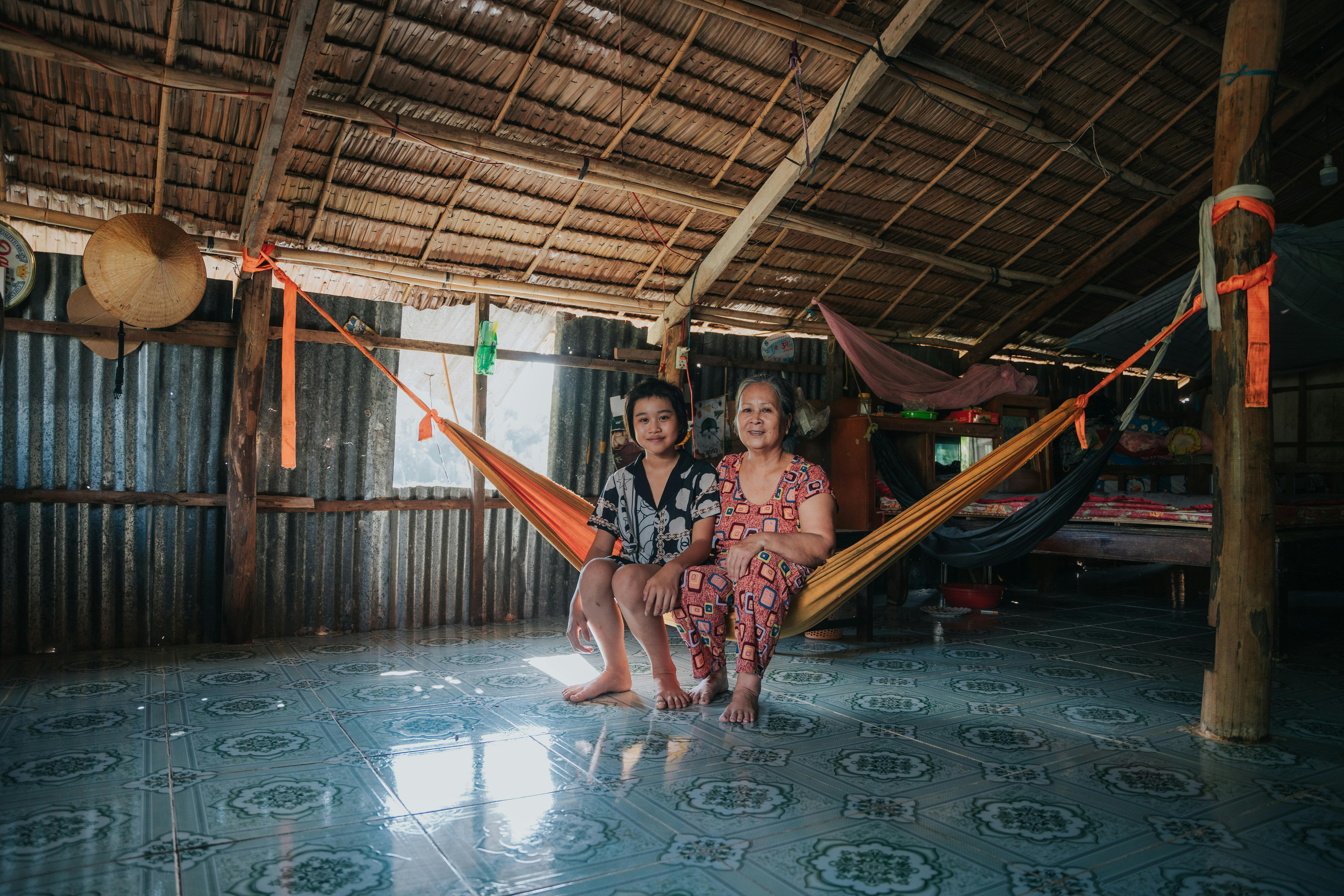
Family has long been the foundational unit of human society, but what constitutes a “family” has never been fixed. Across history and geography, family structures have adapted to shifting social, economic, religious, and political conditions. Whether through lineage systems in precolonial Africa or single-parent households in urban cities, how families are formed and function reflects deeper cultural values and structural realities.
This article examines how family structures have evolved across time and cultures. In this first part, we explore how families were traditionally defined, the economic and cultural forces that shaped those definitions, and how dominant models like the nuclear family came to be associated with modernity.
What Do We Mean by “Family”?
At first glance, “family” might seem like a universally understood term. But in reality, what qualifies as a family—and how it functions—varies greatly between cultures and time periods.
In anthropology and sociology, family is defined as a group of people related by blood, marriage, adoption, or long-term commitment, who typically live together or share responsibilities. Yet beyond this functional definition, the meaning of family is deeply influenced by cultural beliefs, religious frameworks, economic models, and legal systems.
Major family types across cultures:
- Nuclear family: Consists of two parents and their children. Prominent in industrialized Western societies.
- Extended family: Includes grandparents, aunts, uncles, and cousins, often living together or maintaining strong intergenerational ties.
- Joint family: A multigenerational unit with shared property and income, common in parts of India, Nepal, and Pakistan.
- Polygamous family: Includes one spouse with multiple partners, practiced in parts of West Africa, the Middle East, and among some Indigenous groups.
- Matriarchal or matrilineal families: Where lineage and inheritance are passed through the mother’s side. Found in parts of the Mosuo community in China and certain Indigenous groups in the Americas.
- Chosen families: Typically formed outside of biological or legal frameworks, especially in LGBTQ+ and urban contexts, where emotional ties and mutual care define the bond.
This variation underscores the need to move beyond Western norms when discussing the concept of family.

Pre-Industrial Family Systems: Kinship and Survival
Before modern industrialization, family systems were closely tied to the survival needs of their communities. Agricultural societies, pastoral groups, and tribal communities relied on large, interconnected family units for labor, defense, and knowledge transmission.
Features of pre-industrial families:
- Labor-based functionality: Children were economic contributors. From farming and fishing to herding and household crafts, every family member had a role.
- Communal parenting: Childrearing was often a collective task. Among the !Kung San of southern Africa, for example, children were cared for by a broad network of relatives and clan members.
- Clan-based social organization: In many African and Pacific Islander cultures, one’s clan—not just immediate parents—dictated social roles, marriage prospects, and spiritual duties.
In societies without formal state institutions, families were the center of not only emotional life but governance, economic organization, and spiritual leadership.

The Rise of the Western Nuclear Family
Contrary to popular belief, the nuclear family is a relatively recent phenomenon. It rose to prominence in Europe and North America between the late 18th and 20th centuries, especially with the rise of capitalism and industrialization.
Why it emerged:
- Urbanization: As people moved from rural areas to cities for factory work, smaller housing and mobility constraints favored compact family units.
- Capitalist economy: The need for wage labor made extended kin cooperation less practical. Households became more economically autonomous.
- State regulation: Laws around property inheritance, family size, and education encouraged nuclear models. Governments promoted it as a stable, productive unit.
By the mid-20th century, the nuclear family—father as breadwinner, mother as homemaker, two or three children—became embedded in Western policy and culture. Media, especially post-war television in the U.S. and UK, idealized it as the default or superior family type.
But this “ideal” did not reflect most of the world’s families, and even within the West, many households did not fit this model.
Extended Families in the Global South
In most parts of the Global South—Africa, Asia, Latin America, and parts of the Middle East—extended family systems continue to dominate, albeit in evolving forms.
Core characteristics:
- Multigenerational households: Grandparents, parents, and children living under the same roof or within walking distance.
- Patrilocal and matrilocal residence: Married couples often move in with or near one spouse’s family. In many Asian cultures, this is traditionally patrilocal.
- Collective wealth and caregiving: Resources are pooled, and caregiving responsibilities for children and elders are distributed.
Examples:
- In India, joint families have long been a pillar of Hindu social structure. Even as urbanization increases, the cultural ideal of sons living with parents persists in many communities.
- In Ghana, the extended family often participates in decision-making around marriage, education, and conflict resolution.
- In Peru, it’s common for cousins, aunts, and grandparents to be involved in daily household affairs, especially in rural Andean areas.

Polygamy and Lineage Traditions
Another important variation in global family structure is polygamy—primarily polygyny, where one man has multiple wives.
Where it’s practiced:
- Common in West Africa (e.g., Nigeria, Mali), where polygyny is linked to Islamic and traditional religious practices.
- Practiced in rural communities in the Middle East, especially in tribal or Bedouin settings.
- Present among Indigenous peoples in pre-colonial Americas and Pacific islands.
In polygamous families, household structures vary. Sometimes each wife maintains a separate household with her children; in other cases, all cohabitate. Children’s inheritance and lineage may be tied to the father or mother’s line, depending on local customs.
Polygamy is often under legal and moral scrutiny. Some countries ban it entirely; others allow it under religious or customary law. Critics argue it perpetuates gender inequality, while defenders cite tradition, economic logic, and religious freedom.
Family structures across cultures are not monolithic. The extended family of rural India, the clan-based parenting of Indigenous Africa, the urban nuclear household in New York, and the polygamous traditions of West Africa each represent valid ways of organizing human connection, survival, and meaning.
As we have seen, the idea of “the family” has been shaped by practical needs—labor, caregiving, inheritance—and by cultural values like duty, honor, and community. But this is only the beginning of the story.
While traditional family models remain influential in many societies, the last century has witnessed rapid shifts in how families form, function, and sustain themselves. These changes are driven by gender equality movements, migration, legal reforms, and globalization. As a result, family structures today are more diverse, flexible, and fluid than ever before.
This part of the article explores gender role transformations, the rise of non-traditional families, the effects of migration and urbanization, and how the idea of family is being redefined to reflect modern realities.
Shifting Gender Roles in the Family
Traditionally, many cultures have assigned rigid roles to family members based on gender. Men were often regarded as breadwinners and protectors, while women were expected to manage the household and raise children. In some societies, these roles were reinforced by religious doctrine, social expectations, and legal codes.
How this has changed:
- Increased education access for women: Across the globe, women now outnumber men in higher education in many countries. This shift has delayed marriage and childbirth and allowed for greater financial independence.
- Women in the workforce: From Southeast Asia to Latin America, women’s labor participation has transformed family economics, reducing dependency on a single income and reshaping power dynamics.
- Shared parenting: In Nordic countries like Sweden and Iceland, parental leave policies encourage both mothers and fathers to engage in childcare, modeling a more egalitarian family ideal.
- Decline of male-dominated hierarchies: In many urban households, decision-making is now shared or led by women, especially in single-mother families or in households where women earn more.
Yet these gains are uneven. In many rural and conservative areas across the Global South, patriarchal expectations persist. Women often face the “double burden” of employment and domestic labor without equitable recognition.

The Rise of Non-Traditional Families
As legal, social, and technological changes have expanded the definition of family, non-traditional structures have become more visible and accepted across many societies.
Examples of non-traditional family forms:
- Single-parent households: Often led by women, these families are increasingly common due to divorce, widowhood, or personal choice. In the U.S., nearly 23% of children live with one parent, according to Pew Research.
- Blended families: Resulting from remarriage or cohabitation, these households may include step-siblings, half-siblings, and multiple parental figures.
- Same-sex families: With the expansion of LGBTQ+ rights in countries like Canada, Spain, South Africa, and Taiwan, same-sex couples are raising children through adoption, surrogacy, or previous relationships.
- Cohabiting couples: In Europe and North America, many couples choose to live together and raise families without legally marrying—a shift tied to both social attitudes and economic pragmatism.
- Child-free families: Whether by choice or circumstance, more couples are opting out of parenthood altogether, focusing instead on careers, lifestyle, or extended kinship.
In urban centers, these family models coexist with more traditional ones, creating diverse ecosystems of caregiving, support, and interdependence.

Global Migration and Diaspora Families
Migration—both voluntary and forced—has dramatically reshaped the geography of families. Today, more people live outside their country of birth than at any other time in recorded history, according to data from the International Organization for Migration.
How migration affects family structures:
- Transnational families: Members live in different countries but maintain regular communication and emotional ties. Often, one parent migrates for work while the rest of the family remains behind.
- Remittance economies: Migrant workers send money home to support spouses, children, or aging parents. This financial support reinforces familial bonds across borders.
- Long-distance parenting: Technology enables video calls and digital intimacy, but emotional strain, cultural disconnection, and challenges in disciplining or bonding with children remain prevalent.
- Split families: Immigration laws and asylum systems often separate families for years. For example, refugee families may be resettled in different countries or wait for long periods to reunify.
While migration offers economic benefits and new opportunities, it often fragments families in ways that test their resilience and adaptability.
Urbanization and Its Impact on Household Dynamics
The global trend toward urban living has transformed how families organize themselves.
In megacities like São Paulo, Lagos, Shanghai, and Mumbai, limited space, high costs, and busy lifestyles have changed the physical and emotional landscape of family life.
Common urban family trends:
- Smaller family units: Couples often opt for one or two children, or none, due to cost of living and career commitments.
- Childcare outsourcing: In dual-income households, caregiving is often shared with nannies, domestic workers, or daycare services.
- Flexible living arrangements: Roommates, co-living communities, and intergenerational cohabitation reflect adaptive strategies in expensive cities.
- Isolation risks: Urban anonymity and time scarcity sometimes reduce family bonding, particularly among elderly or low-income members.
Urbanization compresses family units physically and challenges them emotionally. At the same time, it also offers the freedom to redefine relationships and household roles.
Technology and the Digitization of Family Life
The digital age has introduced new tools for connection, organization, and even conception.
Key changes:
- Communication platforms: WhatsApp, Zoom, and social media allow for continuous family contact across continents. Grandparents can read bedtime stories via video call, while parents monitor children through digital apps.
- Online dating and blended families: The rise of dating apps has led to more cross-cultural marriages and reconstituted families.
- Fertility technology: IVF, surrogacy, and egg freezing have expanded family possibilities for single people, older couples, and LGBTQ+ individuals.
Technology enables flexible, non-traditional pathways to family-making. But it also creates new ethical and emotional questions about presence, privacy, and parenthood.
The Changing Legal Landscape
Laws are beginning to reflect shifting family realities. In some countries, definitions of legal family have broadened to include adoptive, same-sex, and step-parent arrangements. Others are grappling with how to adapt.
Examples:
- Canada and the Netherlands recognize co-parenting arrangements among more than two legal parents.
- India recently debated the legal recognition of same-sex marriages, challenging deep-rooted cultural norms.
- South Africa’s constitution explicitly protects diverse family forms, including those headed by LGBTQ+ individuals.
- Japan, despite social conservatism, is seeing municipal governments begin to recognize same-sex partnerships at the local level.
Legal acknowledgment is critical—not just for validation but for practical matters like inheritance, custody, taxation, and immigration.
As global trends evolve, so too do family structures. This final part of our article explores the demographic data behind changing families, generational transitions, state policies that impact family dynamics, and the outlook for family life in the coming decades.
Family remains a universal institution—but what that institution looks like depends heavily on economic conditions, social values, and state intervention.
Global Trends in Family Structure: What the Data Shows
Across all continents, data confirms that family structures are in flux. Fertility is falling, marriage is being delayed, and multigenerational households are increasing in some places while disappearing in others.
Key global data points:
- Fertility rates are declining: According to the World Bank, global fertility has dropped from 5.0 children per woman in 1960 to just 2.3 in 2021.
Source: https://data.worldbank.org/indicator/SP.DYN.TFRT.IN - Marriage rates are falling: In countries like Japan, South Korea, and Italy, fewer people are marrying, and more are choosing to live alone or cohabit without formal legal arrangements.
- Rise of single-person households: In Sweden, 51% of households consist of just one person. In Germany and Canada, it’s over 30%.
Source: https://www.oecd.org/social/family-database.htm - Aging populations: The number of elderly living alone or with extended family is rising. In China, over 260 million people are aged 60 and above, and many rely on their children or grandchildren for support.
Family structures are adapting in response to these trends, but the shifts look very different in different parts of the world.

Intergenerational Change: Aging Families and Caregiving Roles
As populations age—particularly in developed and middle-income countries—the burden and structure of family caregiving are shifting.
Key trends:
- Elder care is becoming a major family responsibility: In many Asian cultures (e.g., Japan, China, India), filial piety obliges adult children to care for elderly parents. But as family sizes shrink, this responsibility falls on fewer people.
- Women carry the caregiving load: Globally, women are more likely to care for both children and aging relatives, even while working full time.
- Multigenerational households are returning: Economic constraints and caregiving needs are driving young adults and elderly parents to live together again in countries like the U.S., the UK, and South Korea.
Example: In South Korea, the concept of “three-generation households” is experiencing a resurgence due to housing affordability and caregiving needs. Young couples often move in with their parents, creating mutual economic support systems.
This caregiving pattern represents not just a return to traditional family forms, but also a new adaptation to modern pressures.

How Government Policies Shape Family Forms
Public policy plays a huge role in either reinforcing or reshaping family structures. Governments influence everything from childcare access to inheritance rights to tax incentives for families.
Examples of state influence:
- Nordic countries (e.g., Sweden, Norway) offer generous parental leave, subsidized childcare, and universal healthcare. These supports encourage gender equality in families and reduce reliance on extended kin.
- Singapore promotes intergenerational living through housing incentives for families who choose to live close to their elderly relatives.
- France has one of Europe’s highest fertility rates, partly because of family-friendly policies such as tax breaks, public daycare, and paid parental leave.
Source: https://www.insee.fr/en/statistiques/2381474
On the other hand, restrictive or outdated policies can hurt families:
- In the U.S., the lack of universal childcare and paid parental leave creates pressure on single parents and dual-earner households.
- In Iran, strict marriage and custody laws disadvantage women in family disputes, reinforcing patriarchal norms.
Policy not only supports or constrains family models—it also signals what kinds of families the state values.
Cultural Narratives and Family Ideals
While data and policy are crucial, family structure is also shaped by culture—by stories, values, and collective imagination.
Cultural ideals often shape:
- Who is considered “kin”
- What roles are expected of mothers, fathers, children, and elders
- How success is measured (e.g., homeownership, children’s achievements, marriage stability)
Examples:
- In Latin American cultures, family loyalty and emotional closeness (“familismo”) are core values, often leading to tight-knit, supportive extended families—even among those who live separately.
- In North America, the ideal of independence often pushes young adults to leave home early, shaping expectations around when family life “should” begin.
- In rural Africa, cultural expectations around bride price and fertility still strongly influence marriage and family decisions, despite rapid modernization.
Cultural ideals evolve slowly, but they significantly shape how families are formed and maintained—even across generations and migration patterns.
Looking Ahead: What Will the Family Look Like in 2050?
The future of family will likely be more flexible, transnational, and digitally connected than ever before. But it will also face new challenges, including demographic imbalance, climate migration, and shifts in reproductive technology.
Emerging trends:
- Technology-assisted family formation: With the rise of IVF, egg freezing, and gestational surrogacy, more people are choosing to form families later or outside traditional marriage.
- Climate change and migration: Displacement caused by climate disasters is expected to affect 200 million people by 2050. This will fragment families across borders but may also foster new adaptive structures.
- Decentralized caregiving: Aging populations and shrinking family sizes may drive innovation in community-based elder care and shared parenting models.
- Globalized chosen families: Especially in urban and queer communities, chosen families will play an increasing role in emotional support, legal arrangements, and social life.
Conclusion: A Global Mosaic of Family Life
Across cultures, family remains a vital institution. But the forms it takes are increasingly diverse, fluid, and influenced by forces ranging from urbanization to migration to policy reform. There is no single trajectory or ideal model.
What unites families globally is their role as systems of care, belonging, and continuity. Whether formed by blood, marriage, choice, or circumstance, families are how humans survive and thrive across generations.
To understand the future of society, we must understand the family—not just in one country or culture, but as a global, living mosaic.
About The Author


