
The Unequal Blackboard: A Tale of Two Students
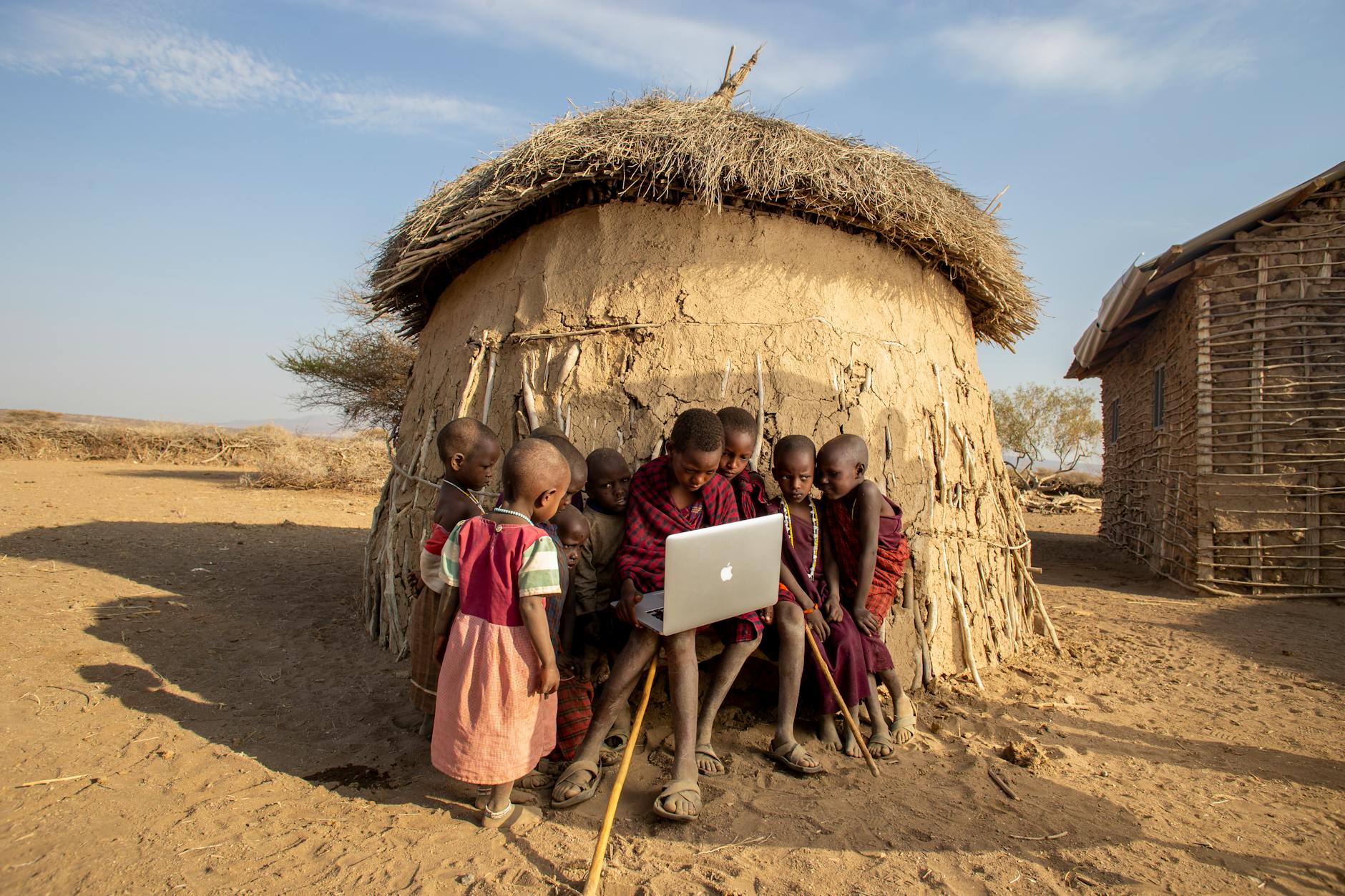
In a quiet village in Maharashtra, 12-year-old Aarti starts her day walking two miles to school. The path is dusty, the classroom often dim and under-resourced. Some days, teachers don’t show up. Sometimes, power outages silence the few electronic devices the school has. Yet, in her heart, Aarti dreams vividly of becoming a doctor — a hope that transcends her surroundings.
Thousands of miles away, Aarav in Mumbai opens his tablet at breakfast. His school is equipped with interactive whiteboards, high-speed internet, and a syllabus complemented by videos and quizzes. His teachers engage him live on Zoom. His education feels limitless.
This contrast is not just a story of two children. It is the lived reality of millions across India and many developing countries. The urban-rural education divide remains one of the most pressing social issues, and the promise of EdTech is reshaping this narrative.
Understanding the Education Divide

The disparity between urban and rural education runs deep, rooted in socio-economic and infrastructural differences. To appreciate how EdTech can help, we must first unpack the challenges:
- Teacher Availability and Quality: Rural schools struggle to attract and retain qualified teachers due to poor pay, remote locations, and limited training opportunities.
- Infrastructural Deficits: Many rural schools lack electricity, sanitation facilities, safe buildings, and even basic learning materials.
- Language and Cultural Disconnect: Standardized curriculums often overlook regional languages and cultural contexts, making learning less relatable.
- Economic Pressures: Families in rural areas may prioritize work over education, leading to high dropout rates, particularly among girls.
- Access to Learning Materials: Libraries, science labs, and extra-curricular resources are scarce or absent.
These barriers are interconnected, creating a cycle of educational deprivation that affects communities generation after generation.
EdTech’s Promise: More Than Just Screens
EdTech isn’t just about digitizing textbooks or providing tablets. It’s about fundamentally transforming the way learning happens, making quality education accessible and adaptable to diverse contexts.
Here’s how:
- Access to Expert Teachers Virtually: Through video lessons and live sessions, children in remote areas can learn from educators across the country or globe.
- Customized, Self-Paced Learning: Platforms allow students to learn at their own speed, revisiting difficult concepts, or accelerating where they excel.
- Language Inclusivity: With regional language content and dialect options, students engage better, building confidence and comprehension.
- Interactive Assessments and Feedback: Digital quizzes and adaptive testing help identify gaps early, allowing tailored interventions.
- Teacher Empowerment: Online training modules improve rural teachers’ skills, helping them embrace technology and modern pedagogy.
For example, BYJU’S and Khan Academy India have launched vernacular content, bringing learning to children in their mother tongue.
Government’s Strategic Role in EdTech Expansion
Recognizing the potential of digital learning, the Indian government has pushed several initiatives:
- PM eVIDYA: Integrates multiple broadcast media — TV, radio, and internet — to deliver lessons during school closures and beyond.
- SWAYAM: Provides free Massive Open Online Courses (MOOCs) for students and teachers, across disciplines.
- National Digital Education Architecture (NDEAR): Builds an integrated digital education framework for all states.
- E-Pathshala: Offers digital textbooks and multimedia resources in various languages.
These programs aim to create a unified, scalable infrastructure that rural learners can rely on.
Real Stories: EdTech’s Tangible Impact

- In Odisha, before internet access became widespread, Radio Pathshala aired daily lessons over state-run radio. Millions tuned in, proving that technology doesn’t always have to be complex to be effective.
- Maharashtra’s Aspirational Districts Program incorporated QR-coded textbooks allowing students to scan and access supplementary videos and exercises, bridging the gap between paper and digital.
- Pratham’s Hybrid Model combines traditional face-to-face teaching with mobile learning content in states like Uttar Pradesh and Bihar, boosting literacy and numeracy scores measurably.
Each story reflects a unique, context-sensitive approach to education, highlighting that one size does not fit all.
Challenges and Realities of EdTech in Rural Areas
EdTech’s success depends on more than technology itself. Key challenges remain:
- Connectivity and Power: Many villages face intermittent internet and electricity. Without basic infrastructure, digital learning cannot thrive.
- Device Access: Smartphones, tablets, or computers are not universally affordable. Shared devices or community learning centers are common solutions but present their own hurdles.
- Digital Literacy: Students, teachers, and parents often lack the skills to navigate digital platforms effectively.
- Cultural Acceptance: In some communities, skepticism toward technology or preference for traditional learning can slow adoption.
- Monitoring Learning Outcomes: Without consistent data collection, assessing the true impact of EdTech is difficult.
Addressing these challenges requires holistic solutions beyond just app development.
Role of Private Sector and NGOs: Filling the Gaps
Several organizations are stepping in to fill critical gaps:
- EkStep Foundation offers Sunbird, an open-source platform that supports various digital learning applications and content providers.
- Tata ClassEdge integrates multimedia lessons into classrooms, helping teachers engage students better.
- Teach For India leverages digital resources to support educators in low-income communities, focusing on both teacher training and student engagement.
These efforts bring agility, innovation, and local understanding to the EdTech ecosystem.
The Vital Role of Teachers: Technology as an Enabler, Not a Replacement
It’s crucial to remember that EdTech should empower, not replace, educators. Teachers provide:
- Contextual interpretation of content.
- Emotional support and motivation.
- Cultural sensitivity.
- Personalized guidance.
Programs that integrate EdTech with teacher training produce the best outcomes. For instance, online professional development courses improve rural educators’ digital literacy and pedagogical skills, making classrooms more effective.
Community Engagement: Building Trust and Value
Community buy-in shapes the success of digital learning. Parents, local leaders, and community organizations must see value in EdTech to encourage consistent use. When communities participate actively, children’s attendance and motivation improve.
Schools hosting digital learning workshops for families have witnessed higher engagement. Social proof, local champions, and visible results build momentum for adoption.
Future Directions: AI, Personalization, and Hybrid Models
Emerging technologies promise to push rural EdTech further:
- Artificial Intelligence: Personalized learning pathways adapting to individual progress.
- Hybrid Models: Combining online modules with local mentors and peer groups.
- Offline Learning Solutions: Downloadable content and apps functioning without constant internet.
- Gamification: Making learning fun and engaging to hold student interest.
Global bodies like UNESCO stress that achieving digital equity in education is critical for meeting Sustainable Development Goals (source).
Taking the Leap: What Can Be Done Now?

- Expand Infrastructure: Investment in rural connectivity and power remains a top priority.
- Device Accessibility: Subsidies or shared device programs can bridge hardware gaps.
- Digital Literacy Campaigns: Train students, teachers, and parents on using EdTech effectively.
- Localized Content Development: Encourage creation of culturally relevant digital material in regional languages.
- Robust Impact Evaluation: Use data analytics to refine programs continuously.
Closing the Gap: Aarti’s Dream and the Promise of EdTech
Back in Maharashtra, Aarti now uses a tablet at her school, accessing video lessons from expert doctors explaining human biology. Her teacher, trained online, guides her through experiments virtually. The village has solar panels powering a small computer lab, supported by local NGO initiatives.
Her dream of becoming a doctor is no longer distant—it feels within reach.
EdTech is not just technology. It is a commitment to equity, opportunity, and hope. With sustained effort and collaboration between governments, NGOs, private sector, and communities, rural education can leap forward, closing the divide and opening doors to futures once imagined only in dreams.
Suggested Platforms and Resources
- DIKSHA
- Khan Academy India
- SWAYAM
- Pratham Education Foundation
- Teach For India
- UNESCO Education
- EkStep Foundation
- Tata ClassEdge
About The Author


