
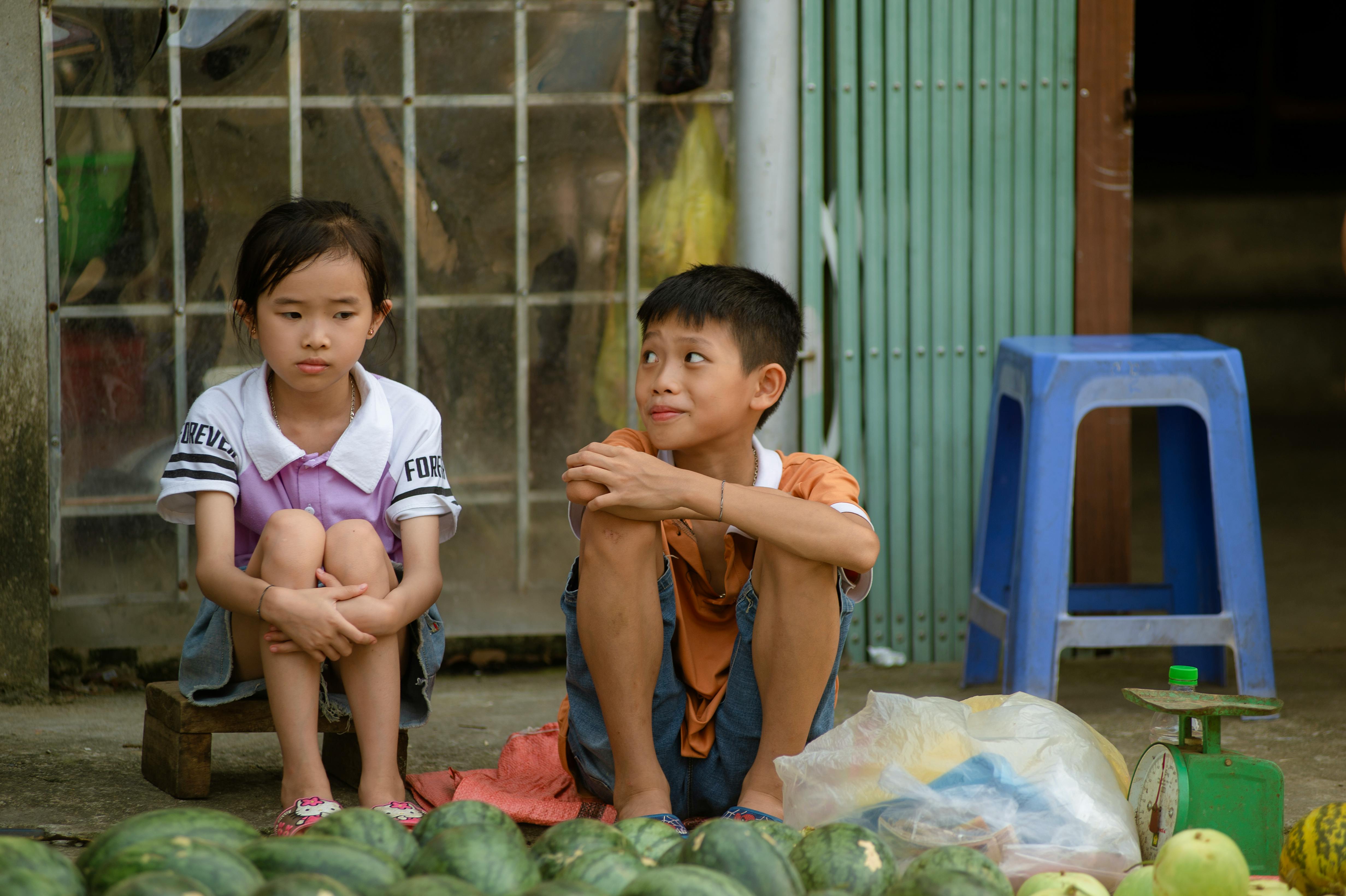
Urban skylines are rising—but so is the cost of losing centuries-old ways of life. As people migrate to cities and modern infrastructure expands into the countryside, rural traditions face a complex challenge: survival. Urbanization isn’t just about new roads or tall buildings. It’s about what gets left behind in pursuit of progress.
What Is Urbanization?
Urbanization refers to the movement of people from rural to urban areas, and the subsequent growth of cities. It also includes the expansion of urban infrastructure, services, and lifestyle into previously rural areas.
According to the World Bank, 57% of the global population lived in urban areas in 2022. By 2050, that figure is projected to reach 68%.
https://www.worldbank.org/en/topic/urbandevelopment/overview
Urbanization often promises economic opportunity, education, and improved services. But these benefits come with cultural trade-offs.
What Are Rural Traditions?
Rural traditions include long-standing social, spiritual, and cultural practices passed down through generations. They vary by region but often involve:
- Agricultural rituals tied to planting and harvesting
- Oral storytelling and folk wisdom
- Traditional medicine and healing practices
- Local music, dance, and instruments
- Artisan crafts and handwork
- Dialects and regional languages
- Community-led festivals and seasonal celebrations
These traditions are more than cultural expression. They form the backbone of identity and local knowledge in rural societies.

How Urbanization Disrupts Rural Traditions
Urbanization doesn’t just change geography—it shifts values, behaviors, and knowledge systems. Below are key ways rural culture is being affected.
1. Language and Dialect Loss
Urban centers often prioritize dominant national or global languages. As rural youth migrate to cities, they adopt mainstream language for education, work, and social mobility. Regional dialects are used less and eventually forgotten.
UNESCO estimates that one language disappears every two weeks—many of them from rural or Indigenous communities.
https://www.unesco.org/en/days/mother-language
When a language dies, so does a way of thinking, a history of storytelling, and a unique cultural lens.
2. Decline of Oral Storytelling
Rural histories are traditionally passed down through oral narratives, not books. Grandparents share myths, lessons, and local lore during meals, festivals, or fieldwork.
In cities, this space disappears:
- Schedules are tighter
- Families are nuclear
- Storytelling competes with digital screens
Over time, the stories vanish—and with them, cultural memory.
3. Disconnection from Nature and Land-Based Rituals
Urban life is disconnected from the agricultural calendar. In many rural areas, festivals align with:
- Sowing or harvesting cycles
- Monsoon arrivals
- Equinoxes and solstices
As rural youth migrate to cities, these nature-based rituals lose relevance.
World Bank data shows that rural agricultural participation has dropped significantly in countries with rapid urbanization like India, Brazil, and Nigeria.
When fewer people work the land, fewer people celebrate it.
4. Shifts in Value Systems
Rural societies often emphasize:
- Collectivism
- Communal labor
- Interdependence
- Elders as knowledge keepers
Urban life encourages:
- Individualism
- Speed over tradition
- Technology over oral wisdom
This value shift alters how traditions are viewed. Customs that once built community are now seen as inefficient or outdated.
5. Erosion of Traditional Livelihoods
Many rural traditions are tied to specific skills:
- Weaving
- Pottery
- Blacksmithing
- Folk medicine
- Hand-harvested farming
Urban economies rarely support these crafts. As demand declines, so do apprenticeships, community workshops, and raw material access.
UN reports indicate that many traditional occupations are considered endangered because younger generations pursue urban jobs.
Without functional livelihoods, traditions become symbolic—or extinct.

6. Cultural Festivals Lose Ground
Community-based festivals are a hallmark of rural life. They reflect history, mythology, and agricultural timing. But in urban environments:
- Public holidays are limited
- Cultural events compete with entertainment
- Space for community rituals is scarce
Over time, rural-origin festivals become commercialized or are forgotten entirely. Even when celebrated, their meaning is diluted.
7. Decline of Indigenous Medicine and Knowledge
Many rural communities rely on plant-based remedies, passed down orally. As access to formal healthcare increases in urbanized areas, traditional medicine is often dismissed.
Yet the WHO recognizes traditional knowledge as vital to primary health systems in many parts of the world.
https://www.who.int/health-topics/traditional-complementary-and-integrative-medicine
The disappearance of this knowledge impacts not just culture—but public health, biodiversity, and sustainability.
Urban Influence on Rural Spaces
Urbanization doesn’t just attract rural populations—it also extends into the rural landscape.
1. Infrastructure Development
Roads, malls, cell towers, and factories are being built in villages. While these bring services, they also:
- Disrupt ecosystems
- Increase land prices
- Encourage consumerism
- Shift agricultural land to real estate
This physical transformation comes with cultural consequences.
2. Media Penetration
Television, smartphones, and social media reach deep into rural communities. They shape beauty standards, fashion, aspirations, and even language.
As villagers engage with digital trends, rural aesthetics evolve—but may also be lost in favor of mainstream global styles.
3. Rural Gentrification
Urban residents sometimes move into scenic rural areas to escape city life. This can raise property values and shift community demographics, leading to:
- Cultural mismatch
- Conflict over land use
- Decline of local customs and festivals
UN Habitat warns that this type of gentrification can damage both local culture and sustainability goals.
https://unhabitat.org

Can Traditions Evolve Without Disappearing?
Not all effects of urbanization are negative. Some rural traditions adapt successfully.
Examples:
- Handicraft cooperatives modernize product design for global markets
- Digital storytelling platforms archive oral traditions
- Agri-tourism invites urban visitors to learn rural customs
- Fusion festivals celebrate traditional arts in modern formats
These models blend preservation with innovation.
Youth as Cultural Bridges
Rural youth who move to cities often become the connectors between tradition and modernity. They bring with them:
- Local language and values
- Skills in cooking, farming, or crafts
- Spiritual and ecological wisdom
When supported, these youth can share their heritage in new contexts—schools, startups, art, and activism.
Technology as a Preservation Tool
Technology can be a threat—but also a tool.
- Mobile apps are documenting endangered languages
- YouTube channels showcase folk dances and recipes
- Virtual museums archive rural art and crafts
- GPS mapping is being used to protect sacred sites
When digital tools are used thoughtfully, they preserve more than they erase.

Government and NGO Support
Some organizations actively protect rural traditions:
- India’s Ministry of Culture funds folk artists and language preservation
- UNESCO’s Intangible Cultural Heritage list highlights endangered traditions
- African Union cultural programs support storytelling and song
- Latin American cooperatives train artisans in sustainable production
These efforts prove that rural traditions can survive—but they need visibility, policy support, and infrastructure.
Economic Incentives Can Help
Preserving rural culture often comes down to economics. If traditional crafts, festivals, or foods generate income, communities are more likely to maintain them.
Solutions include:
- Fair trade programs
- Rural tourism initiatives
- Online marketplaces for handmade goods
- Cultural entrepreneurship incubators
When tradition becomes livelihood, it gains new life.
Summary Table: Urbanization’s Effects on Rural Culture
| Area of Impact | Traditional Rural Feature | Urbanization Effect |
|---|---|---|
| Language | Local dialects | Adoption of national/global languages |
| Storytelling | Oral transmission | Replaced by digital media |
| Livelihood | Craftsmanship, farming | Shift to urban jobs |
| Festivals | Seasonal, community-led | Lost or commercialized |
| Medicine | Herbal and traditional practices | Replaced by modern health systems |
| Community Structure | Intergenerational households | Nuclear families, isolation |
| Value System | Collectivism, shared rituals | Individualism, time scarcity |
Final Thought
Urbanization is a powerful force—shaping economies, cities, and lives. But it also shapes memory, meaning, and identity. Rural traditions are not static, but they are vulnerable. Without conscious effort, they may be lost in the noise of modern life.
Preserving these traditions is not about resisting change. It’s about recognizing value. Rural culture holds wisdom in food, land, language, and ritual. As the world urbanizes, these traditions must not be viewed as relics—but as resources.
Their survival depends on what we choose to carry with us, even as we move forward.
About The Author


