
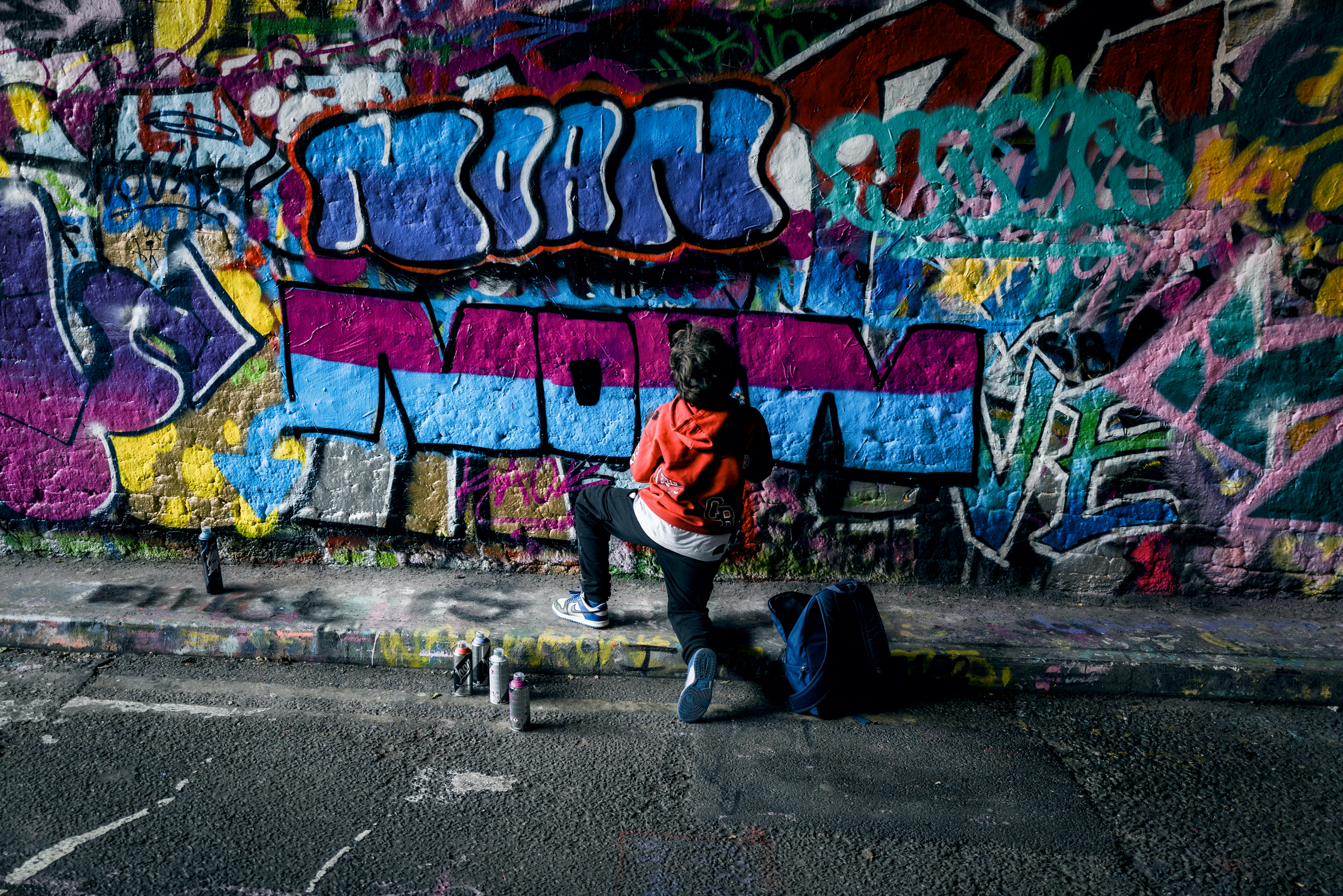
From Japanese streetwear influenced by hip-hop to Bollywood remixes of Latin beats, cultural hybridity isn’t just a trend—it’s a new normal. In a globally networked world, identities are not static. They’re layered, remixed, and reinvented daily. But how exactly does this fusion happen? And what does it mean for tradition, innovation, and belonging?

What is Cultural Hybridity?
Cultural hybridity is the process through which elements from different cultural traditions blend to create new forms of identity, expression, or lifestyle. This can involve:
- Language
- Music
- Food
- Clothing
- Religion
- Technology
- Social values
Unlike simple cultural borrowing, hybridity creates something new, not just adopted. It reshapes the meanings of both the original and incoming influences.
Why It Matters Today
In the past, culture was inherited—passed down through generations with minor variations. Today, culture is constructed. Global migration, social media, and innovation have turned cultural identity into a mosaic.
According to Pew Research, 59% of Gen Z in the U.S. say they feel connected to cultures outside their heritage through digital media.
https://www.pewresearch.org/topic/generations-age/generations/generation-z/
This shift is global—and growing.
Real-Life Examples of Cultural Hybridity
Music
- Reggaetón combines Caribbean rhythms, Spanish lyrics, and hip-hop beats.
- K-pop blends Korean lyrics with Western pop structures and global fashion aesthetics.
- Bollywood trap is on the rise, mixing Indian classical vocals with electronic drops.
- Food
- Korean tacos (Los Angeles): Fusion of Korean BBQ with Mexican tortillas.
- Sushi burritos (U.S. & Singapore): Traditional sushi elements wrapped burrito-style.
- Butter chicken pizza (UK): An Indian twist on an Italian-American classic.
Fashion
- Modest fashion incorporates Western tailoring with Islamic values.
- Street style in Seoul mixes hanbok elements with international trends.
- African prints in Paris are becoming luxury staples in haute couture.
Statista reports a surge in cross-cultural fashion trends driven by TikTok and global streetwear brands:
https://bestcolorfulsocks.com/blogs/news/tiktok-fashion-statistics

Language Hybridity: How We Speak Is Changing
New languages are forming in real time:
- Hinglish: Hindi + English
- Taglish: Tagalog + English
- Franglais: French + English
These are not just slang—they’re spoken in business meetings, music, films, and classrooms. They reflect a lived experience that doesn’t belong to one culture alone.
The Role of Innovation
Cultural hybridity often emerges through:
- Tech platforms (YouTube, TikTok, Reddit)
- Design tools (AI, AR/VR)
- Streaming services (Netflix, Spotify)
These channels act as cultural accelerators. They expose users to influences they might never encounter in their local environment—and make remixing them easy.
UNESCO points out that digital platforms are shaping a new generation of cultural creators:
https://www.unesco.org/reports/reshaping-creativity/2022/en/new-opportunities-challenges-inclusive-cultural-creative-industries-digital-environment
Cultural Identity: Lost or Liberated?
Critics of hybridity argue it dilutes original traditions. But many see it as:
- A form of resistance (e.g., diasporic youth redefining culture on their own terms)
- A creative renaissance (combining old knowledge with new tools)
- A source of belonging (when no single culture feels like “home”)
For instance, second-generation immigrants often use hybrid art or food to bridge their ancestral roots with their current environment.
Hybridity in Global Cities
In multicultural cities like London, Toronto, or Dubai, hybridity is a daily reality. Public spaces, education systems, restaurants, and even street signs reflect a mix of:
- Languages
- Cuisines
- Religions
- Rituals
This constant movement fuels cultural layering and exchange.
Cultural Hybridity in Business and Marketing
Global brands now design with hybridity in mind:
- Nike launched a modest swimwear line blending innovation with tradition.
- Netflix creates regional-originals with global reach (e.g., Money Heist, Delhi Crime).
- McDonald’s menus change by country—masala dosa burger in India, teriyaki fries in Japan.
These choices are not just inclusive—they’re strategic.
AlsoAsked.com shows rising questions like “Why do global companies localize their products?”—a clear reflection of hybrid expectations:
https://alsoasked.com
Is Cultural Hybridity Always Positive?
Not always. Key challenges include:
- Cultural appropriation vs respectful fusion
- Erosion of minority languages and rituals
- Superficiality in fusion trends (using culture as an “aesthetic”)
Preservation and respect must go hand in hand with innovation.

Indigenous Hybridity: A Powerful Counter-Narrative
Cultural hybridity is not limited to global cities or youth. Indigenous communities around the world are combining traditional wisdom with modern tools:
- Mapping sacred lands with GPS
- Teaching tribal stories via animation
- Using social media to revitalize endangered languages
The UN’s Permanent Forum on Indigenous Issues encourages such hybrid models to protect identity while evolving with the times:
https://www.un.org/development/desa/indigenouspeoples/
Education and the Hybrid Mindset
Schools and universities are adapting by:
- Offering global curriculum (IB, international schools)
- Hosting cross-cultural projects and festivals
- Teaching multiple languages and media skills
Students today don’t just learn about culture—they build and remix it. Hybrid identity is often their default setting.
Summary Table: Key Features of Cultural Hybridity
| Element | Traditional Form | Hybrid Form Example |
|---|---|---|
| Music | Classical Indian ragas | Indian lo-fi beats on Spotify |
| Fashion | Western business suits | Ankara print blazers in corporate settings |
| Food | Authentic Thai noodles | Thai-Mex street bowls |
| Language | Standard Hindi or English | Hinglish in media and marketing |
| Education | National curriculum | IB with global citizenship modules |
| Religion | Singular practice | Interfaith meditation, hybrid rituals |
Final Thought
Cultural hybridity is not the end of tradition. It’s what happens when tradition survives through evolution. It’s a response to migration, technology, identity crises, and opportunity. It creates new spaces for storytelling, expression, and connection.
In a world where culture travels at the speed of Wi-Fi, hybridity isn’t just possible—it’s inevitable. The real question is: how will we shape it?
In other words, hybridity is welcomed when it promotes soft power—and resisted when it threatens control. Whether it’s music, food, identity, or resistance—hybridity is where the past meets the possible.
About The Author


