
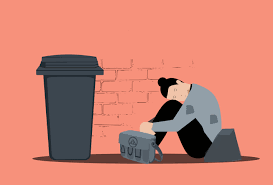
Anxiety can feel overwhelming when you’re struggling with basic needs. No job, no home, and no money—it’s a tough situation. But there are real, practical ways to manage stress, even in dire circumstances.
Anxiety doesn’t just affect emotions. It can impact sleep, digestion, and decision-making. Ignoring it won’t help. Taking small, concrete steps can make a big difference.
1. Focus on Immediate Needs First
When basic needs aren’t met, anxiety spikes. The first step is securing food, shelter, and safety.
- Find Local Food Banks: According to Feeding America, around 44 million Americans rely on food banks each year. Use Feeding America to locate one nearby.
- Look for Shelters or Safe Housing: Check HUD’s Homeless Assistance for emergency housing programs. In 2023, HUD reported over 653,000 people experiencing homelessness on a given night.
- Seek Temporary Support: Religious organizations, charities, and community centers often offer meals, clothing, and financial assistance.
- Use Soup Kitchens: Many churches and nonprofits provide free meals. Search for local options through Homeless Shelter Directory.
2. Breathe and Ground Yourself
Anxiety thrives on uncertainty. Focusing on the present moment helps calm the nervous system.
- 5-4-3-2-1 Method: Identify five things you see, four you can touch, three you hear, two you smell, and one you taste.
- Box Breathing: Inhale for four seconds, hold for four, exhale for four, hold for four. Repeat.
- Walk Barefoot on Grass or Dirt: Studies show grounding techniques can reduce stress hormones like cortisol.
- Try Meditation Apps: Free resources like Insight Timer and Smiling Mind offer guided sessions.
3. Use Free Mental Health Resources
Therapy can be expensive, but there are free or low-cost options.
- Crisis Text Line: Text HOME to 741741 for 24/7 support.
- 211 Helpline: Dial 211 or visit 211.org to find mental health services.
- Free Online Therapy Groups: Platforms like 7 Cups provide emotional support.
- Community Mental Health Centers: Many cities have free counseling options through local government programs.
4. Move Your Body Daily
Exercise releases endorphins, which help combat anxiety and depression.
- Walk: A 2022 study found that just 10 minutes of walking reduces stress levels.
- Stretch: Loosens muscles tightened by stress.
- Bodyweight Exercises: Push-ups, squats, and lunges improve mood and require no equipment.
- Free Outdoor Gyms: Many parks have free exercise equipment. Find one nearby through Healthy Parks Healthy People.
5. Control What You Can
Anxiety increases when you feel powerless. Regaining control—even in small ways—can help.
- Follow a Simple Routine: Consistency reduces stress. Wake up at the same time each day.
- Set Small Goals: Instead of “find a job,” start with “send one application today.”
- Keep a Notebook: Writing down thoughts helps organize your mind and reduce anxiety.
- Declutter Your Space: A clean environment can boost mental clarity, even in shelters or temporary housing.
6. Avoid Harmful Coping Mechanisms
Substances like alcohol and drugs worsen anxiety. Instead, try healthy alternatives.
- Listen to Music: Studies show calming playlists can reduce stress by 65%.
- Practice Deep Breathing: Slows the body’s stress response.
- Connect with Someone: Even a short conversation improves mood.
- Use Free Wi-Fi at Libraries: Staying informed and entertained reduces negative thoughts.
7. Seek Income Opportunities
Even small earnings can reduce anxiety and increase stability.
- Gig Work: Apps like TaskRabbit or Fiverr offer quick jobs.
- Surveys & Microtasks: Platforms like Amazon Mechanical Turk pay for small online tasks.
- Sell Unused Items: Clothing, books, or tools can bring quick cash.
- Look for Day Labor Opportunities: Many cities have labor centers that connect workers with short-term jobs.
- Donate Plasma: Facilities like CSL Plasma pay for plasma donations, sometimes up to $100 per visit.
8. Leverage Public Services
Government assistance programs exist for a reason. Use them.
- SNAP (Food Stamps): In 2023, SNAP provided food assistance to 41 million Americans. Apply through Benefits.gov.
- Medicaid: Provides free healthcare in many states.
- Workforce Centers: Offer job training and resume help.
- Low-Income Utility Assistance: Programs like LIHEAP help cover energy bills.
9. Find a Community
Isolation worsens anxiety. Social support makes challenges easier to manage.
- Libraries: Free access to books, internet, and sometimes job resources.
- Religious or Spiritual Groups: Many offer support beyond faith.
- Meetups & Support Groups: Talking to others in similar situations can help.
- Volunteer: Helping others creates a sense of purpose and expands your network.
10. Keep Hope Alive
Mindset matters. Small progress is still progress.
- Celebrate Small Wins: Did you eat today? Find shelter? That’s a win.
- Look for Success Stories: Many people have overcome homelessness and joblessness. Their stories can inspire.
- Keep Learning: Free courses on Coursera or Khan Academy can build skills for future opportunities.
- Apply for Housing Assistance: Programs like Section 8 offer long-term solutions.
Anxiety doesn’t disappear overnight. But with steady action, you can reduce its grip. Even in tough times, there are steps you can take to reclaim control.
About The Author


