
Living off-grid in extreme weather is a test of resilience. It demands preparation, resourcefulness, and the right technology. If you plan to go off-grid, you need to understand the challenges and the solutions that make survival possible.
Energy Sources in Harsh Conditions
Your power supply is the backbone of off-grid living. Extreme heat, cold, or storms can disrupt energy production. Choosing the right energy mix ensures continuous power.
Solar Power Challenges
- Heat Impact: High temperatures reduce solar panel efficiency by about 0.5% per degree Celsius above 25°C (77°F). In areas like Arizona, where summer temperatures reach 110°F (43°C), output can drop by 10-15%.
- Cold and Snow: Solar panels work more efficiently in the cold, but heavy snow accumulation blocks sunlight. Panels should be installed at steep angles to allow snow to slide off.
- Battery Storage: Lithium-ion batteries perform better in extreme temperatures compared to lead-acid batteries. Tesla Powerwall and Bluetti offer reliable off-grid options.
Wind Energy Considerations
- High Wind Speeds: In hurricane-prone areas, turbines need automatic braking systems to prevent damage.
- Cold Climate Challenges: Ice buildup on blades reduces efficiency. Anti-icing coatings help prevent this.
- Turbine Height: Taller turbines capture more wind energy but require stronger support structures.
Hydroelectric Power Reliability
- Frozen Water Sources: In winter, micro-hydro systems can freeze. Insulating pipes and using a small heater in intake areas helps prevent this.
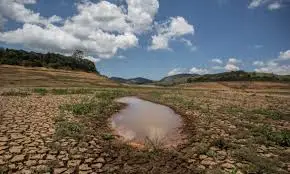
- Drought Impact: If water levels drop, power output decreases. A backup generator is necessary in dry seasons.
Backup Generators
- Diesel vs. Propane: Diesel generators are efficient but require fuel additives in winter to prevent gelling. Propane burns cleaner and stores well.
- Maintenance Needs: Oil changes, filter replacements, and fuel storage are crucial for long-term reliability.
Heating and Cooling Strategies
Extreme weather strains traditional heating and cooling methods. Alternative solutions improve efficiency and reduce costs.
Heating in Cold Climates
- Rocket Mass Heaters: Burn small amounts of wood efficiently, producing high heat output with minimal fuel.
- Masonry Heaters: Retain heat for hours, making them effective for overnight warmth.
- Earth-Sheltered Homes: Use natural insulation to maintain stable indoor temperatures.
- Thermal Curtains: Reduce heat loss through windows.
Cooling in Hot Climates
- Passive Cooling: Shade trees, reflective roofing, and cross-ventilation reduce indoor temperatures.
- Evaporative Coolers: Use 75% less energy than air conditioners but require low humidity to work effectively.
- Geothermal Cooling: Uses underground temperatures to cool air before it enters the home.
Water Access and Storage
Water security is critical for survival. Extreme weather affects availability and quality.
Securing a Reliable Water Supply
- Wells: Deep wells provide year-round water but need electricity for pumps. Hand pumps or solar-powered pumps are essential backups.
- Rainwater Harvesting: Effective in wet regions. Large cisterns with first-flush diverters improve quality.
- Desalination Systems: Essential in coastal drought-prone areas.
Water Storage Solutions
- Underground Tanks: Protect water from freezing in winter and algae growth in summer.
- Insulated Water Barrels: Prevent water from freezing in extreme cold.
- Boiling and Filtration: Necessary for making snow and ice potable.
Food Production and Storage
Growing and preserving food in extreme conditions requires strategic planning.
Gardening in Harsh Climates
- Cold-Weather Crops: Kale, carrots, and potatoes grow well in freezing temperatures.
- Drought-Resistant Crops: Sweet potatoes, quinoa, and amaranth thrive in dry conditions.
- Greenhouses: Heated or insulated greenhouses extend growing seasons.
Alternative Food Sources
- Aquaponics and Hydroponics: Require less water and provide year-round fresh food.
- Permaculture Design: Mimics natural ecosystems for resilient food production.
- Wild Foraging: Identifying edible plants and fungi adds food diversity.
Long-Term Food Storage
- Root Cellars: Ideal for storing vegetables and canned goods.
- Freeze-Drying: Preserves food for up to 25 years.
- Fermentation and Pickling: Extend shelf life without refrigeration.
Communication and Emergency Preparedness
Off-grid living means limited access to conventional communication systems. Staying informed during extreme weather events is crucial.
Reliable Communication Methods
- HAM Radio: Requires a license but ensures communication during emergencies.
- Satellite Phones: Work in remote locations but require subscription plans.
- Solar-Powered Radios: Provide weather updates without grid power.
Emergency Preparedness
- First Aid Training: Essential skills for handling medical emergencies.
- Backup Power Supplies: Solar chargers for essential electronics.
- Fire Prevention Plans: Necessary in wildfire-prone areas.
Shelter and Building Materials
Your home must withstand extreme weather. Proper design and materials make all the difference.
Building for Extreme Conditions
- Superinsulated Homes: Reduce energy loss with triple-pane windows and high R-value insulation.
- Concrete and Earthbag Construction: Withstand hurricanes and tornadoes.
- Metal Roofing: Fire-resistant and durable against snow and wind loads.
- Storm Shutters: Protect windows from high winds and debris.
Real-World Case Studies
Alaska Off-Grid Homesteaders
- Temperatures drop below -40°F.
- Rely on wood stoves, insulated cabins, and ice fishing for food.
- Underground water storage prevents freezing.
Australian Outback Settlers
- Face 110°F+ heat.
- Use underground homes, solar power, and rainwater collection.
- Rely on evaporative cooling and drought-resistant crops.
Hurricane-Prone Florida Residents
- Use concrete dome homes for storm resistance.
- Maintain rainwater cisterns for fresh water after hurricanes.
- Install backup generators for power outages.
Costs and Investment Breakdown
Off-grid living has upfront costs but long-term savings. Here are estimated expenses:
- Solar Power System: $15,000 – $30,000
- Wind Turbine: $5,000 – $20,000
- Well Drilling: $5,000 – $15,000
- Greenhouse: $2,000 – $10,000
- Backup Generator: $2,000 – $10,000
- Superinsulated Home: $150,000 – $300,000
Key Takeaways
- Choosing the right energy system depends on climate conditions.
- Water security requires multiple backup sources.
- Food production methods must match environmental challenges.
- Emergency preparedness is critical for safety and communication.
- The right materials ensure shelter durability.
Living off-grid in extreme weather is possible with the right approach. It requires planning, investment, and adaptability. Are you prepared for the challenge?
About The Author


