
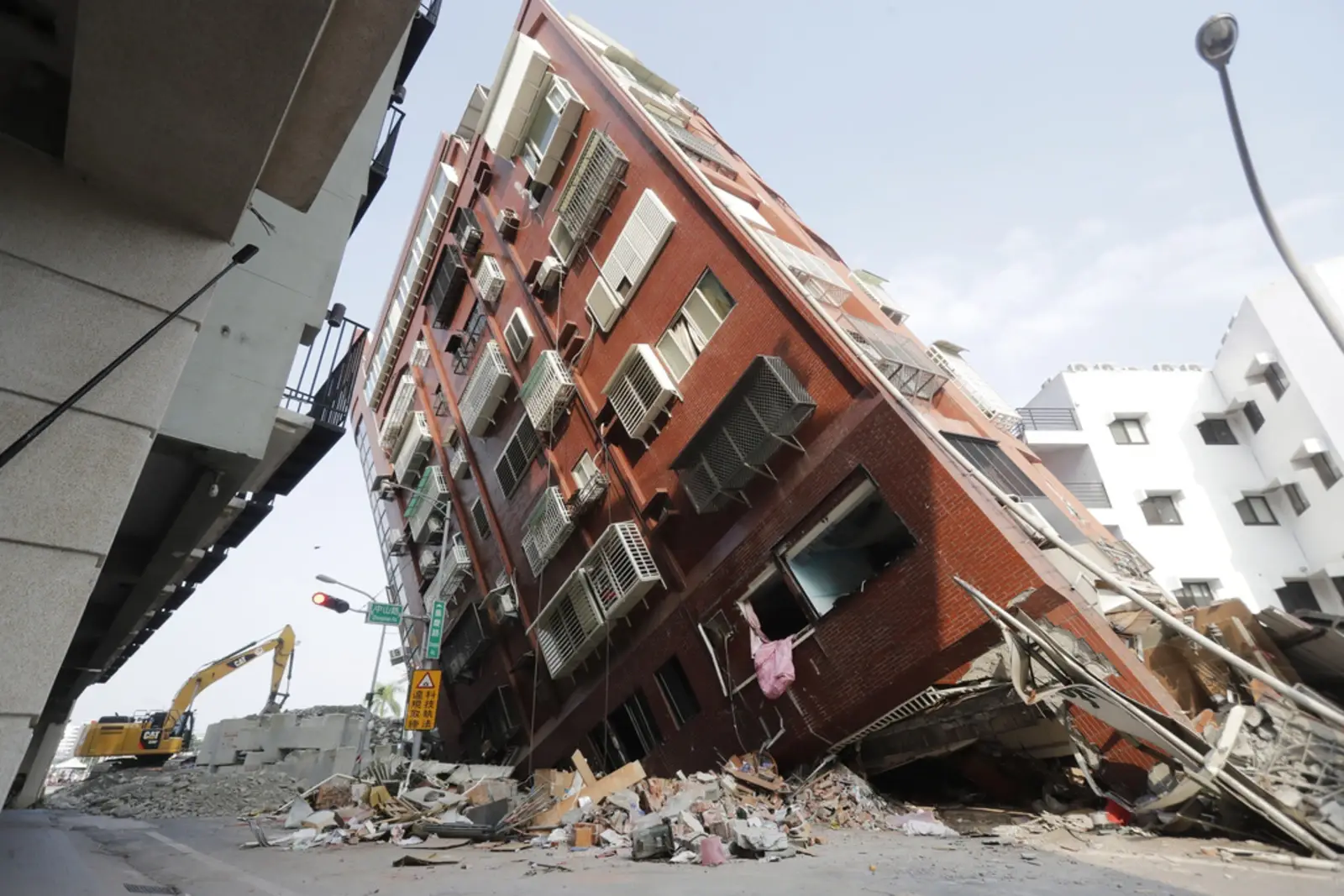
Understanding Earthquakes: Why Preparedness Matters
Earthquakes strike without warning. The ground shakes violently, structures sway, and panic sets in. Knowing what to do in those crucial moments can save lives.
Survival depends on location, earthquake intensity, and immediate action. This guide provides a comprehensive, step-by-step approach to earthquake survival based on your environment—whether in a high-rise, a single-story home, a vehicle, or outdoors. It also covers post-earthquake recovery and the role of earthquake magnitude in determining response strategies.
What Causes Earthquakes?
Earthquakes result from sudden movements in the Earth’s crust. These movements occur along fault lines due to accumulated stress between tectonic plates. The most common causes include:
- Tectonic Plate Movements – When plates shift suddenly, they release seismic energy, causing earthquakes.
- Volcanic Activity – Eruptions can trigger localized quakes.
- Human Activities – Mining, drilling, and reservoir-induced seismicity can contribute to earthquakes.
Scientists measure earthquake intensity using the Richter Scale (magnitude) and the Modified Mercalli Intensity Scale (impact on structures and people).
What to Do During an Earthquake
If You Are Indoors (Single-Story or Ground Floor)
- Drop, Cover, and Hold On – Get down to prevent falls, take cover under sturdy furniture, and hold on to protect yourself from shaking.
- Stay Away from Windows and Glass – These can shatter and cause serious injuries.
- Avoid Doorways – Contrary to popular belief, doorways are not structurally sound enough to offer reliable protection.
- Stay Inside – Running outside increases the risk of being hit by falling debris.
- Cover Your Head and Neck – Use your arms or a sturdy object to shield your head from falling objects.
- Turn Off Gas and Electricity – If you detect a gas leak or see sparks, take precautions once it’s safe.
- Brace Yourself Against an Interior Wall – If no cover is available, stay against a load-bearing wall.
If You Are in a High-Rise Building
- Do Not Use Elevators – Power outages or structural damage may cause elevators to malfunction.
- Move to an Interior Space – Stay away from windows, balconies, and exterior walls.
- Be Prepared for Sprinklers and Fire Alarms – Earthquakes may trigger fire suppression systems.
- Hold Onto a Sturdy Object – The swaying effect in high-rises is more pronounced than on the ground floor.
- Evacuate Only When Safe – After shaking stops, follow emergency exit routes if the building is damaged.
If You Are Outside
- Move to Open Space – Stay away from buildings, power lines, trees, and streetlights.
- Stay Low and Protect Your Head – Falling debris is a major risk during earthquakes.
- Avoid Bridges and Overpasses – These structures can collapse or become unstable.
If You Are in a Car
- Pull Over Immediately – Stop in a clear area away from buildings, trees, and overpasses.
- Stay Inside the Vehicle – Your car provides some protection from debris.
- Proceed with Caution After Shaking Stops – Avoid damaged roads, bridges, and landslides.
If You Are Near Water
- Move to Higher Ground – Tsunamis can follow major earthquakes.
- Stay Away from Shorelines – Waves may arrive minutes after an earthquake.
- Listen for Emergency Alerts – Authorities issue tsunami warnings after large earthquakes.
What to Do After an Earthquake
Assess Your Immediate Surroundings
- Check for Injuries – Administer first aid where needed.
- Prepare for Aftershocks – Secondary tremors can be as strong as the initial quake.
- Exit Damaged Buildings – If your structure is compromised, move to a safe location.
- Turn Off Gas, Water, and Electricity – Prevent fire hazards and further damage.
If You Are Indoors
- Use Stairs, Not Elevators – Elevators may be unsafe after an earthquake.
- Watch for Falling Objects – Ceilings, shelves, and furniture may be unstable.
- Stay Away from Damaged Areas – Walls and floors may collapse further.
If You Are in a High-Rise
- Follow Evacuation Procedures – Building management should have a plan in place.
- Avoid Stairs with Visible Damage – Report unsafe stairwells to authorities.
- Signal for Help if Trapped – Use a whistle, phone, or loud objects to call for rescue.
If You Are Outdoors
- Beware of Falling Objects – Damaged buildings may continue to shed debris.
- Avoid Flooded Areas – Broken pipes and damaged infrastructure can create hazards.
- Be Cautious of Landslides – In mountainous areas, landslides are a common risk post-earthquake.
Communication and Emergency Response
- Use Text Messaging or Social Media – Networks may be congested, making calls unreliable.
- Listen to Emergency Broadcasts – Government agencies provide critical updates.
- Check on Neighbors – Elderly and disabled individuals may need assistance.
How Earthquake Intensity Affects Response
The Richter Scale and Impact Levels
| Magnitude | Impact |
|---|---|
| 3.0 – 3.9 | Minor shaking, often unnoticed. |
| 4.0 – 4.9 | Noticeable shaking, little structural damage. |
| 5.0 – 5.9 | Moderate damage to weak structures. |
| 6.0 – 6.9 | Strong shaking, potential building collapse. |
| 7.0 – 7.9 | Severe damage, widespread destruction. |
| 8.0+ | Catastrophic impact, total collapse of buildings. |
Different Types of Earthquakes
- Shallow Earthquakes (0-70 km deep) – More destructive due to proximity to the surface.
- Deep Earthquakes (70+ km deep) – Felt over a larger area, but cause less direct damage.
- Subduction Zone Earthquakes – Common in the Pacific Ring of Fire, often lead to tsunamis.
Essential Earthquake Preparedness Steps
Before an Earthquake
- Create a Family Emergency Plan – Ensure all members know evacuation routes and safe locations.
- Stock an Emergency Kit – Include non-perishable food, water, medical supplies, flashlights, and batteries.
- Secure Heavy Objects – Bolt bookshelves, water heaters, and large furniture to walls.
- Practice Drills – Regular earthquake simulations improve response efficiency.
- Know Your Region’s Risk – Research fault lines and historical earthquake activity in your area.
During an Earthquake
- Act Immediately – Seconds matter. Get to a safe position fast.
- Remain Calm – Panic can lead to dangerous decisions.
After an Earthquake
- Inspect for Structural Damage – Do not re-enter buildings with cracks or tilting walls.
- Follow Emergency Services’ Guidance – Authorities will direct evacuations if necessary.
- Assist Others – Check on neighbors and report missing persons to rescue teams.
Additional Resources for Earthquake Safety
For more detailed information and preparedness guidelines, visit these official sources:
- United States Geological Survey (USGS)
- Federal Emergency Management Agency (FEMA)
- Red Cross Earthquake Safety
- National Earthquake Information Center (NEIC)
Preparedness is key. Take action today to secure your home, create an emergency plan, and stay informed. When an earthquake strikes, the right knowledge can save your life.
About The Author


