
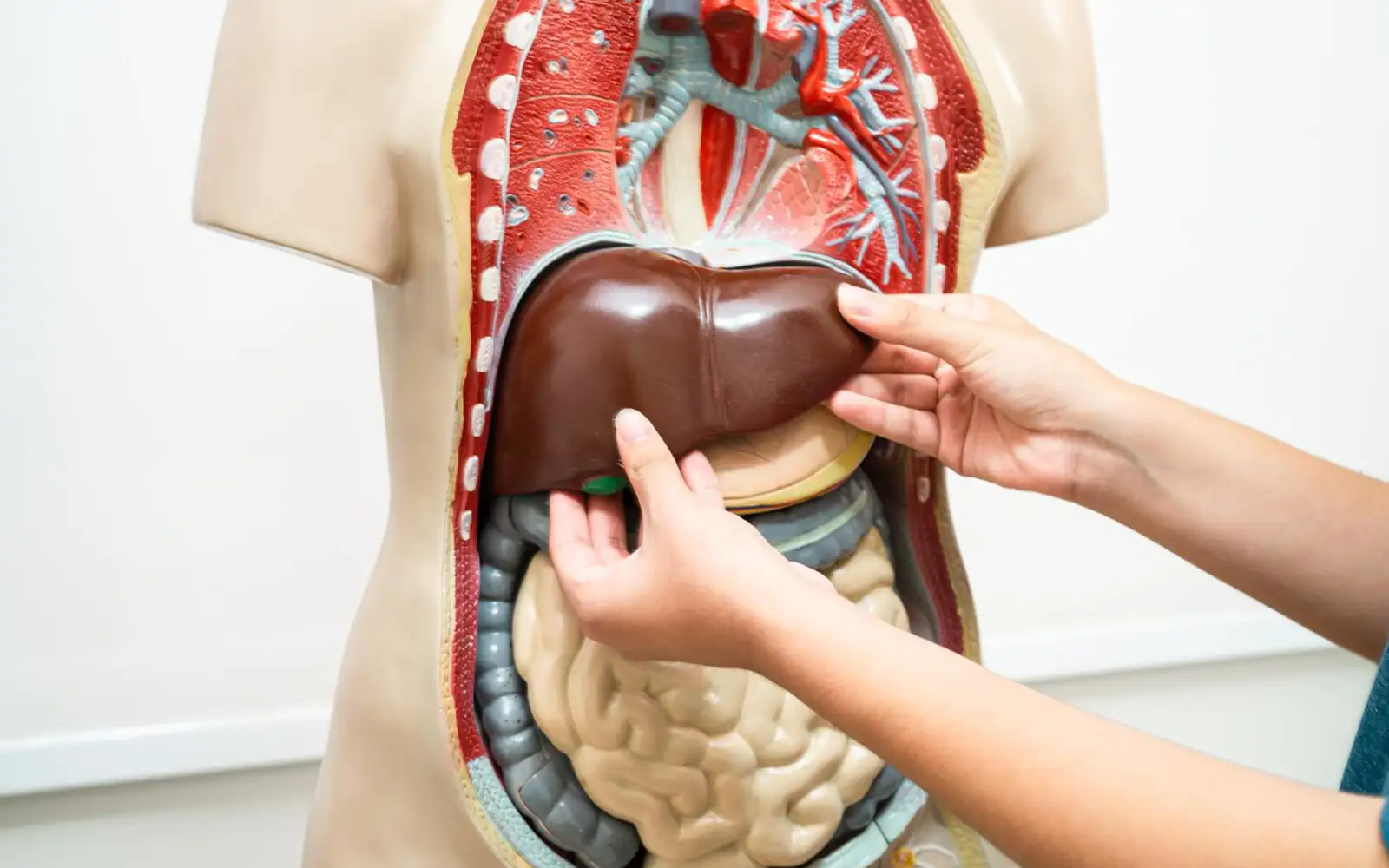
Your liver is the unsung hero of your body, working tirelessly to filter toxins, metabolize nutrients, and regulate chemical levels in your blood. Yet, despite its resilience, the liver is vulnerable to poor lifestyle choices and environmental toxins that can silently compromise its function over time. If you want to ensure optimal liver health, it’s not just about what you consume—it’s also about what you avoid.
Below, we break down ten critical habits you should eliminate immediately for a healthier liver, backed by scientific research and medical expertise.
1. Excessive Alcohol Consumption
Why it’s harmful: Alcohol is one of the primary culprits of liver disease. The liver breaks down alcohol, but excessive consumption leads to fatty liver disease, alcoholic hepatitis, fibrosis, and even cirrhosis.
Scientific Evidence: The Centers for Disease Control and Prevention (CDC) states that excessive alcohol use leads to over 50% of liver disease deaths in the U.S. (source).
What to do instead: Limit alcohol intake to moderate levels—one drink per day for women and two for men. If you already have liver issues, abstinence is the best option.
2. High Sugar Intake
Why it’s harmful: Fructose, found in sugar and high-fructose corn syrup, contributes to fatty liver disease by increasing fat accumulation in liver cells.
Scientific Evidence: A study published in the Journal of Hepatology found a strong correlation between high sugar intake and non-alcoholic fatty liver disease (NAFLD) (source).
What to do instead: Reduce processed sugar consumption, avoid sodas and packaged snacks, and opt for natural sweeteners like honey in moderation.
3. Eating Too Many Processed Foods
Why it’s harmful: Processed foods contain unhealthy trans fats, refined sugars, and preservatives that burden the liver.
Scientific Evidence: Research in the American Journal of Clinical Nutrition found that diets high in processed foods increase inflammation and fatty deposits in the liver (source).
What to do instead: Stick to whole foods like fresh vegetables, fruits, lean proteins, and whole grains.
4. Overuse of Medications and Painkillers
Why it’s harmful: Many over-the-counter (OTC) painkillers, particularly acetaminophen (Tylenol), can be toxic to the liver if taken in excessive amounts.
Scientific Evidence: The FDA warns that taking more than 4,000 mg of acetaminophen per day can cause acute liver failure (source).
What to do instead: Always follow dosage guidelines and consult a doctor before prolonged medication use.
5. Smoking
Why it’s harmful: The toxins in cigarette smoke increase oxidative stress and inflammation in the liver, contributing to fibrosis and liver disease.
Scientific Evidence: A study in the Journal of Hepatology found that smoking doubles the risk of liver cancer (source).
What to do instead: Seek smoking cessation programs and switch to healthier alternatives.
6. Leading a Sedentary Lifestyle
Why it’s harmful: Lack of physical activity leads to obesity and metabolic syndrome, both of which contribute to NAFLD.
Scientific Evidence: The World Journal of Hepatology reports that exercise reduces liver fat by 20-30% even without weight loss (source).
What to do instead: Aim for at least 150 minutes of moderate exercise per week, including strength training and cardio.
7. Consuming Too Much Red Meat
Why it’s harmful: Excessive red meat can increase ammonia levels in the body, which the liver struggles to process.
Scientific Evidence: A study published in Hepatology found that high red meat consumption raises the risk of liver-related mortality (source).
What to do instead: Switch to lean proteins like fish, poultry, and plant-based sources like lentils and beans.
8. Ignoring Hydration
Why it’s harmful: Dehydration impairs the liver’s ability to flush out toxins, leading to metabolic stress.
Scientific Evidence: The European Journal of Clinical Nutrition highlights that inadequate hydration slows down liver detoxification (source).
What to do instead: Drink at least 8 glasses of water per day and include herbal teas for added liver benefits.
9. Exposure to Environmental Toxins
Why it’s harmful: Chemicals found in pesticides, air pollution, and household cleaning products can overload the liver’s detoxification processes.
Scientific Evidence: A study in the Environmental Health Perspectives journal found a direct link between exposure to environmental toxins and liver dysfunction (source).
What to do instead: Use natural, non-toxic cleaning products and wear protective gear if working with chemicals.
10. Skipping Regular Liver Check-Ups
Why it’s harmful: Many liver diseases are silent in their early stages, making regular screenings essential.
Scientific Evidence: The American Liver Foundation recommends annual liver enzyme tests for those at risk (source).
What to do instead: Schedule regular check-ups and monitor liver function through blood tests like ALT and AST levels.
Conclusion
Your liver plays a crucial role in overall health, and small lifestyle changes can make a significant difference in its function. By avoiding these ten harmful habits and adopting a liver-friendly lifestyle, you can protect yourself from liver disease, boost detoxification, and ensure long-term well-being.
Take action today—your liver will thank you for it!
About The Author


