
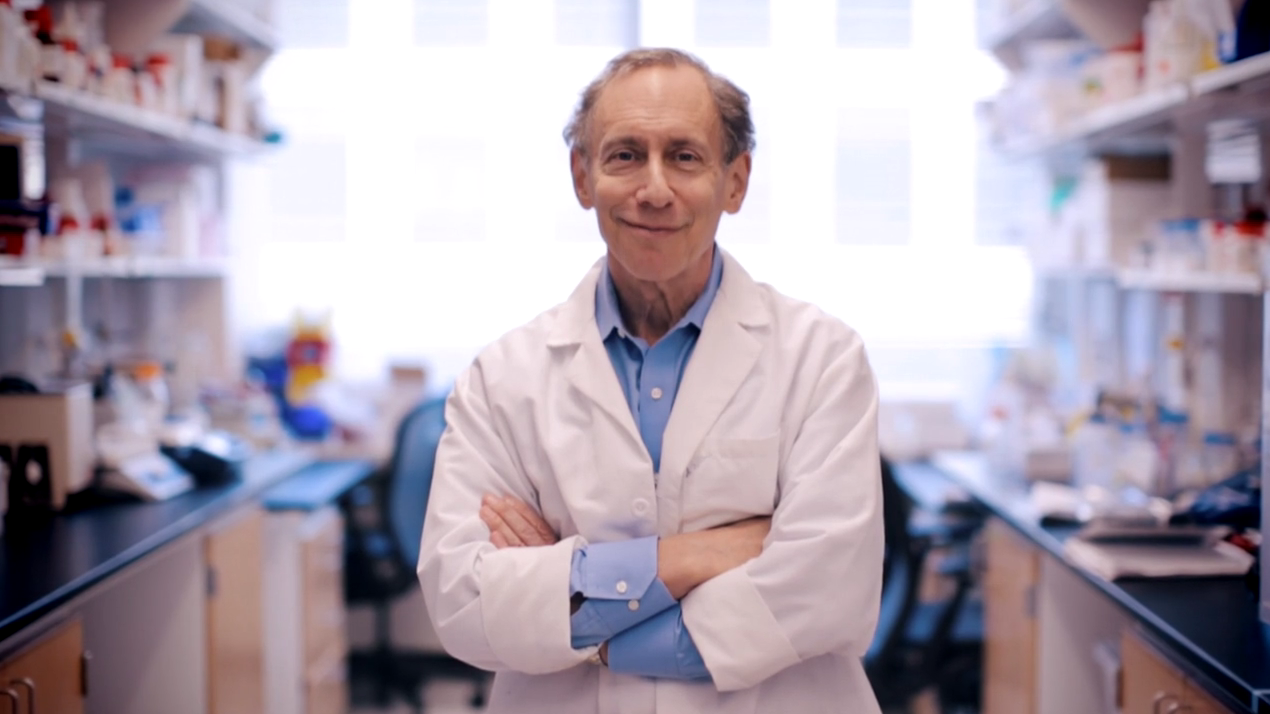
Robert Langer, often referred to as the “Edison of Medicine,” has revolutionized the fields of biotechnology and medicine through his unparalleled contributions to drug delivery systems and tissue engineering. As a co-founder of Moderna, the biotech giant instrumental in developing mRNA-based COVID-19 vaccines, Langer’s work has touched millions of lives worldwide. Beyond his affiliation with Moderna, his research and innovations have addressed critical medical challenges, saved countless lives, and inspired an entirely new generation of scientists. This article delves into Langer’s illustrious career, his transformative contributions, and the global problems he has sought to solve.
A Chemist Who Defied Convention
Born on August 29, 1948, in Albany, New York, Robert S. Langer displayed an early aptitude for science and innovation. After earning his bachelor’s degree in chemical engineering from Cornell University in 1970, he pursued a doctoral degree at MIT, focusing on chemical engineering. His academic journey laid the groundwork for his groundbreaking work in drug delivery systems. Yet, his career did not follow a linear path.
In the 1970s, Langer’s decision to shift focus from the chemical industry to the intersection of engineering and medicine was met with skepticism. While chemical engineers of the era were predominantly involved in oil and chemical production, Langer envisioned a future where engineering principles could transform medicine. His first major breakthrough came in 1974 when he worked with cancer researcher Judah Folkman at Boston Children’s Hospital to develop polymer systems capable of delivering therapeutic molecules to specific parts of the body.
Breakthrough Contributions to Medicine
Langer’s innovations have spanned decades and fields, but they can broadly be categorized into three transformative areas:
1. Drug Delivery Systems
One of Langer’s most significant contributions is the development of controlled drug delivery systems using polymers. Traditional methods of drug administration, such as oral or intravenous delivery, often struggle with maintaining optimal therapeutic levels. Langer’s work addressed this issue by engineering biodegradable polymers capable of releasing drugs in a controlled manner over time.
His research led to the creation of systems that enable precise delivery of chemotherapy agents, significantly reducing side effects and improving efficacy. Today, his polymer-based systems are used in products ranging from contraceptives to cancer treatments, impacting millions globally.
2. Tissue Engineering
Langer’s pioneering efforts in tissue engineering have provided hope to patients requiring organ transplants. By combining synthetic materials with living cells, he developed scaffolds capable of growing tissues, including cartilage, skin, and even organs. These innovations have been critical in treating burn victims and advancing regenerative medicine. Langer’s contributions earned him accolades, including the United States National Medal of Science in 2006.
3. mRNA Technology and Moderna
Langer co-founded Moderna in 2010, alongside Noubar Afeyan and Derrick Rossi. The company’s focus on messenger RNA (mRNA) technology was a bold and high-risk endeavor at the time. Unlike traditional vaccines, which use inactivated viruses or viral proteins, mRNA vaccines instruct the body’s cells to produce a protein that triggers an immune response.
The real test for Moderna came with the COVID-19 pandemic. In an unprecedented timeline, Moderna’s mRNA vaccine was developed and authorized for emergency use within less than a year, thanks to Langer’s foundational work and the collective efforts of the Moderna team. By mid-2023, the Moderna vaccine had been administered to over a billion people worldwide, showcasing its safety and efficacy. According to the World Health Organization (WHO), the global vaccination effort saved an estimated 20 million lives in 2021 alone.
Addressing Global Challenges
Robert Langer’s work addresses several critical global problems, ranging from chronic diseases to pandemic preparedness.
1. Chronic Disease Management
Chronic illnesses such as diabetes, cancer, and cardiovascular diseases impose an immense burden on healthcare systems globally. Langer’s drug delivery systems have enabled treatments to be more effective, reducing hospital visits and improving patient adherence to medications. For example, his polymer-based systems are integral to sustained insulin delivery for diabetic patients and targeted chemotherapy for cancer patients.
2. Accessible Vaccines
The mRNA technology pioneered by Moderna has implications far beyond COVID-19. mRNA-based vaccines are easier to develop and manufacture compared to traditional vaccines. This flexibility is pivotal in responding to emerging infectious diseases. Moderna is currently leveraging this technology to develop vaccines for diseases such as HIV, Zika, and influenza, potentially transforming global health outcomes.
3. Regenerative Medicine
With millions of people on organ transplant waiting lists globally, Langer’s tissue engineering work has the potential to bridge the gap between supply and demand. His biodegradable scaffolds, combined with stem cell technologies, offer hope for creating functional organs in the lab. This innovation could drastically reduce dependence on organ donors and mitigate risks of organ rejection.
Recognitions and Legacy
Langer’s contributions to science and medicine have been recognized globally. With over 1,400 published research articles and more than 1,400 patents issued or pending, he is among the most cited scientists in history. Notable honors include:
- National Medal of Science (2006): Recognizing his contributions to engineering and medicine.
- National Medal of Technology and Innovation (2011): The highest honor for technological achievements in the United States.
- Kyoto Prize (2014): Often considered the Nobel Prize of Japan.
- Queen Elizabeth Prize for Engineering (2015): For revolutionary innovations in engineering.
Langer’s influence extends beyond academia and industry. As a mentor, he has supervised over 300 graduate students and postdocs, many of whom have gone on to establish successful careers in biotech and academia.
Challenges and Ethical Considerations
Despite his successes, Langer’s work is not without challenges and controversies. The rapid adoption of mRNA technology during the pandemic raised questions about equitable distribution and accessibility, particularly in low-income countries. Moderna faced criticism for initially prioritizing wealthier nations during vaccine rollouts, though efforts have since been made to expand access.
Additionally, the high cost of cutting-edge therapies based on Langer’s technologies poses questions about affordability and healthcare equity. As the global community navigates these issues, Langer’s role in advocating for ethical practices remains crucial.
Conclusion
Robert Langer’s life and work epitomize the transformative power of innovation and interdisciplinary thinking. From creating drug delivery systems that improve the quality of life for chronic disease patients to co-founding Moderna and revolutionizing vaccine technology, his contributions have reshaped medicine and biotechnology. While challenges remain in ensuring equitable access to these advancements, Langer’s legacy continues to inspire solutions to some of the world’s most pressing health challenges.
As we look to the future, Robert Langer’s story serves as a testament to the power of persistence, creativity, and a relentless commitment to solving humanity’s greatest problems.
About The Author


