
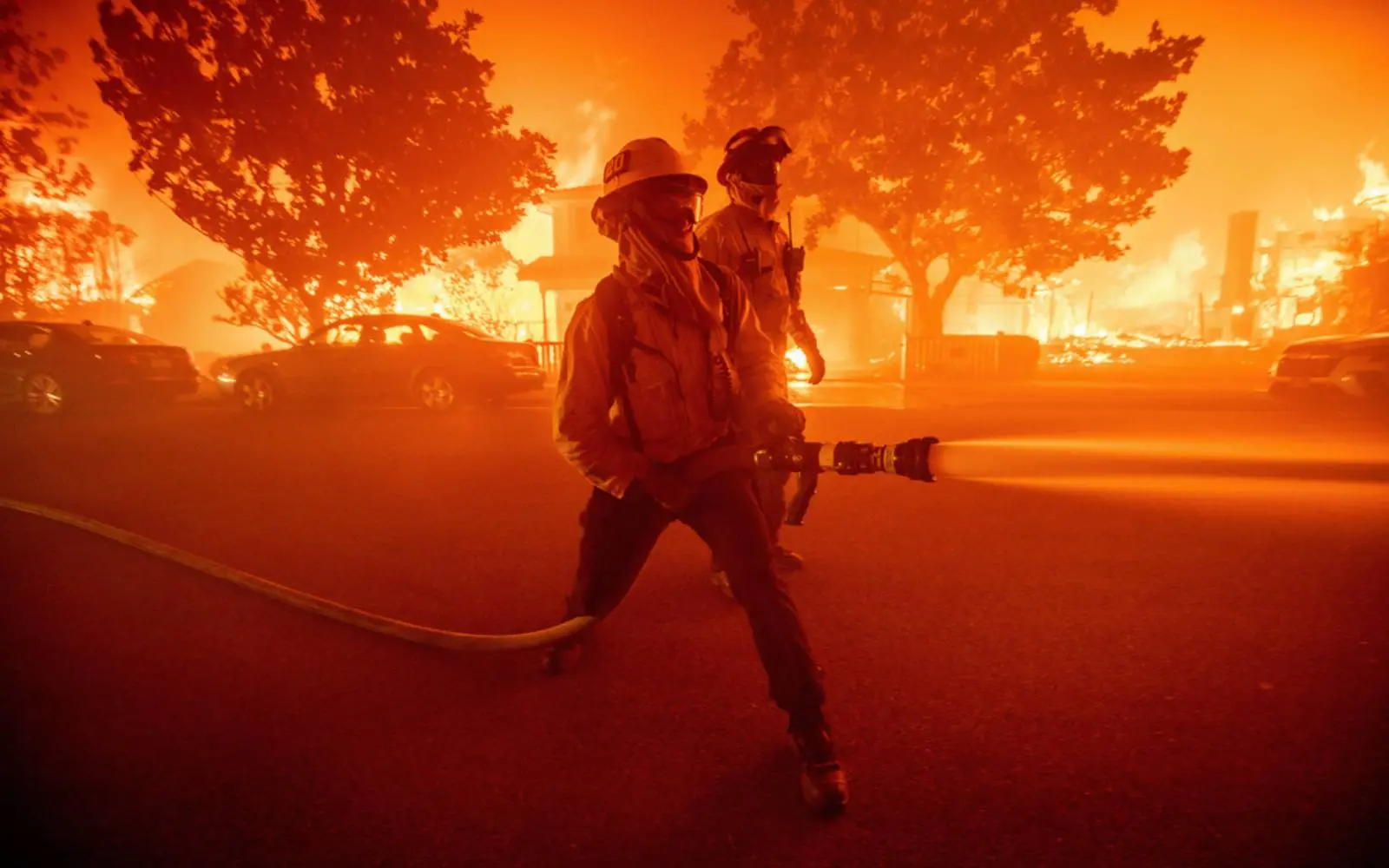
Los Angeles, a sprawling metropolis celebrated for its cultural diversity and scenic landscapes, has increasingly become synonymous with devastating wildfires. These fires have wreaked havoc on communities, causing significant loss of life and property. The January 2025 wildfires are a grim testament to this recurring crisis, with over 26,978 acres burned, at least seven fatalities, and more than 1,000 structures destroyed (Business Insider). This article delves into the underlying reasons behind the frequency and intensity of these wildfires, offering insights based on emerging data and expert opinions.
Climatic Conditions: A Perfect Storm for Wildfires
Los Angeles’ Mediterranean climate plays a pivotal role in creating conditions ripe for wildfires. Characterized by hot, dry summers and mild, wet winters, this climate results in prolonged dry periods that leave vegetation parched and highly flammable. The region’s topography further complicates matters. Hills, valleys, and canyons act as natural conduits, amplifying fire spread and complicating firefighting efforts. The National Interagency Fire Center notes that California’s fire season has extended significantly in recent years, with fires now occurring almost year-round.
The Role of Santa Ana Winds
The infamous Santa Ana winds are another critical factor. Originating from inland desert areas, these strong, dry winds move toward the coast, dramatically drying vegetation and fueling fires. In January 2025, wind gusts reached hurricane-force speeds of up to 100 mph, accelerating the spread of flames and making containment efforts nearly impossible (NY Magazine).
Vegetation and Urban-Wildland Interface
Los Angeles’ natural vegetation, including chaparral, grasslands, and dry brush, is highly flammable. During drought periods, this vegetation becomes tinder-like, ready to ignite at the smallest spark. Compounding the issue is the urban-wildland interface—areas where residential developments meet undeveloped wildlands. These zones place human lives and properties directly in harm’s way, increasing the stakes of each wildfire.
Human Activities: A Leading Cause of Ignitions
Human activities account for a significant proportion of wildfire ignitions. Unintentional actions such as discarded cigarettes, unattended campfires, and sparks from machinery frequently result in devastating fires. Electrical infrastructure also plays a role; poorly maintained power lines have been linked to numerous high-profile wildfires in California. For instance, utility companies were investigated for their potential involvement in igniting the recent fires.
The Climate Change Connection
Climate change is exacerbating wildfire risks across California. Rising global temperatures and prolonged droughts have created an environment where wildfires ignite more easily and spread more rapidly. The current drought affecting California is among the most severe in 1,200 years, according to a report by the U.S. Drought Monitor. With vegetation drying out earlier and retaining less moisture, fire seasons are becoming longer and more destructive (TIME).
Forest Management and Policy Challenges
Critics point to inadequate forest management and policy decisions as contributing factors. Historically, natural fires played a role in clearing dead vegetation, but decades of fire suppression policies have allowed fuel to accumulate. This, combined with resistance to controlled burns and other preventive measures, has created conditions for larger, more intense fires. Additionally, urban expansion into fire-prone areas increases vulnerability.
Emerging Learnings from the 2025 Wildfires
The January 2025 wildfires have highlighted several critical issues:
- Evacuation Challenges: Over 293,000 residents were forced to evacuate, underscoring the need for improved emergency response systems.
- Economic Impact: Preliminary estimates suggest damages in the tens of billions of dollars, making this one of the costliest wildfire events in U.S. history.
- Technological Gaps: Despite advances in firefighting technologies, including real-time data integration and night-flight capabilities, extreme weather conditions continue to outpace technological solutions.
Mitigation Strategies and Future Outlook
Efforts to address the wildfire crisis include:
- Enhanced Building Codes: Stricter regulations aim to make homes and infrastructure more resistant to fire.
- Improved Forest Management: Controlled burns and vegetation removal can help reduce fuel loads.
- Public Education: Awareness campaigns emphasize the importance of fire safety and preparedness.
However, these measures face limitations, particularly in the face of climate change. Experts warn that without significant reductions in greenhouse gas emissions, the frequency and intensity of wildfires will likely continue to increase.
Conclusion
Los Angeles’ frequent wildfires are the result of a complex interplay of natural, climatic, and human factors. From the dry Santa Ana winds to the impacts of climate change and urban development, each element contributes to the growing crisis. Addressing these challenges requires a multifaceted approach that combines scientific innovation, proactive policy-making, and community engagement. Only through such concerted efforts can the region hope to mitigate the devastating impacts of wildfires and safeguard its future.
References:
About The Author


