
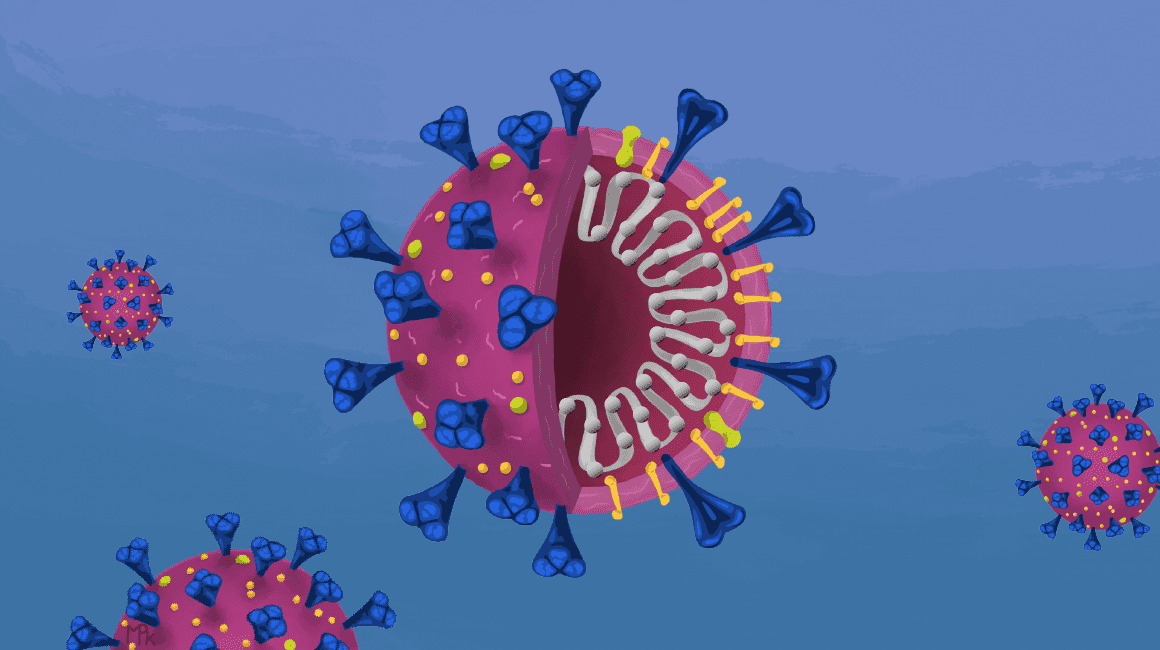
Imagine a microscopic enemy, highly contagious and wreaking havoc in communities, capable of spreading like wildfire through close contact and contaminated surfaces. This isn’t a fictional scenario but a real threat posed by norovirus, a virus known for causing acute gastroenteritis. While noroviruses are not new, emerging strains have been causing concern among health professionals worldwide. In this article, we delve deep into the new norovirus, unpacking its origins, impact, and potential harm to human health. Let’s explore what makes this virus a public health priority and what you should know to protect yourself.
1. What Is Norovirus? Understanding the Basics
Noroviruses are a group of RNA viruses known to cause gastrointestinal illnesses, commonly referred to as the “stomach flu.” Symptoms include nausea, vomiting, diarrhea, and abdominal pain, often accompanied by fever and muscle aches. Norovirus is highly contagious, spreading through contaminated food, water, surfaces, or direct contact with an infected person.
Key Fact: Noroviruses are responsible for about 685 million cases of gastroenteritis annually, leading to nearly 200,000 deaths globally, primarily among children and older adults (WHO).
2. What’s Different About the New Norovirus?
In recent years, new strains of norovirus have emerged, particularly the GII.4 Sydney variant. This strain is more transmissible and may cause severe symptoms compared to older variants. The rapid genetic evolution of the virus poses challenges for public health interventions and vaccine development.
Notable Observation: Research suggests the new strain’s higher transmissibility is due to mutations in its capsid protein, which helps it evade immune detection (CDC).
3. Origins of the New Strain
The latest norovirus strains, including GII.4 Sydney, likely evolved through genetic recombination. These viruses adapt rapidly in response to human immune pressure, making them a moving target for scientists. Outbreaks linked to these strains have been reported in Asia, Europe, and North America since 2022.
Tracing the Source: While norovirus is not zoonotic, environmental factors like poor sanitation and contamination of water supplies often contribute to its spread (PubMed).
4. How Does It Spread?
Norovirus spreads through several routes:
- Direct Contact: Touching infected individuals.
- Fecal-Oral Route: Consuming contaminated food or water.
- Aerosolized Particles: Vomiting can release infectious particles into the air.
Critical Stat: A single infected person can shed billions of viral particles, yet only 18 are needed to cause an infection (Johns Hopkins Medicine).
5. Potential Harm to Humans
While norovirus infections are generally self-limiting, severe cases can occur, particularly in vulnerable populations such as infants, older adults, and immunocompromised individuals. Dehydration from diarrhea and vomiting is the most common complication.
Global Impact: Norovirus accounts for $60 billion in societal costs annually due to healthcare expenses and lost productivity (CDC).
6. Why Is It Difficult to Control?
Norovirus is notoriously resilient, capable of surviving on surfaces for days and withstanding extreme temperatures. Its high mutation rate allows it to evade immunity from previous infections, making reinfection common.
Challenge for Public Health: Outbreaks often occur in closed settings like cruise ships, schools, and hospitals, making containment efforts complex (NIH).
7. Vaccines and Treatments: Where Do We Stand?
Currently, there are no approved vaccines for norovirus. However, researchers are working on several vaccine candidates targeting the virus’s capsid proteins. Treatment focuses on symptom management, primarily rehydration.
In Development: Norovax, a promising vaccine candidate, is undergoing clinical trials, with early results showing significant efficacy (Nature).
8. How to Protect Yourself
Preventing norovirus requires strict hygiene measures:
- Wash hands with soap and water for at least 20 seconds.
- Disinfect surfaces with bleach-based cleaners.
- Wash fruits and vegetables thoroughly.
- Avoid preparing food when sick.
Pro Tip: Alcohol-based hand sanitizers are less effective against norovirus. Opt for soap and water instead (FDA).
9. The Role of Climate and Environment
Environmental factors like water pollution and climate change are influencing norovirus outbreaks. Warmer temperatures can enhance the virus’s survival in water, while extreme weather events can increase contamination risks.
Case in Point: A 2023 outbreak in Japan was linked to flood-contaminated water supplies, affecting over 10,000 people (Lancet).
10. What Lies Ahead?
As new strains of norovirus continue to emerge, a multifaceted approach combining public health surveillance, vaccine development, and environmental management will be crucial. Increasing global awareness and improving sanitation infrastructure can significantly reduce the virus’s impact.
Looking Forward: Collaborative efforts between governments, researchers, and communities are essential to mitigating the risks posed by norovirus.
Final Thoughts
The new norovirus underscores the unpredictable nature of viral evolution and its capacity to disrupt lives and economies. While scientists are making strides in understanding and combating the virus, prevention remains our strongest defense. By staying informed and adopting robust hygiene practices, we can collectively reduce the burden of this formidable pathogen.
For further updates on norovirus research and prevention strategies, visit trusted sources like the World Health Organization and the Centers for Disease Control and Prevention.
About The Author


