
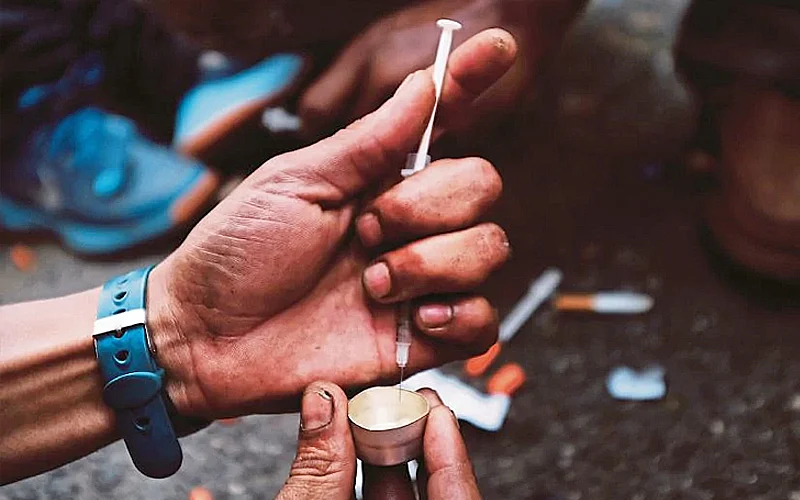
Every year, millions of people make resolutions to better themselves, but few challenges are as daunting or transformative as overcoming an addiction. Whether it’s nicotine, alcohol, gambling, or technology, addiction takes a toll on physical health, relationships, and mental well-being. Yet, with the right strategy and support, breaking free from its grip is possible. This guide provides a detailed roadmap to help you, or someone you care about, start the journey to recovery this year.
Understanding Addiction: A Necessary Foundation
Before diving into strategies, it’s essential to understand what addiction truly is. Addiction isn’t simply a lack of willpower; it’s a complex interplay of biological, psychological, and environmental factors. According to the National Institute on Drug Abuse (NIDA), addiction alters brain structure and function, particularly in areas responsible for reward, motivation, and self-control (NIDA).
Key facts to consider:
- Over 20 million Americans aged 12 and older have a substance use disorder (SAMHSA 2023).
- Globally, technology addiction, particularly smartphone overuse, affects an estimated 1 in 4 individuals (Pew Research Center).
Recognizing addiction as a medical condition is the first step toward combating it effectively.
Step 1: Acknowledge the Problem
Why It Matters:
Denial is a powerful barrier. Accepting that you have an addiction is not a sign of weakness but a vital moment of clarity.
How to Do It:
- Self-assessment: Reflect on how the addiction impacts your daily life. Tools like the Alcohol Use Disorders Identification Test (AUDIT) can provide insight.
- Seek feedback: Trusted friends or family can offer honest perspectives on your behavior.
- Journal your habits: Documenting frequency, triggers, and emotions tied to the addiction can provide valuable patterns to address.
Step 2: Set Realistic Goals
Why It Matters:
Ambiguous goals like “I’ll quit someday” rarely lead to success. Concrete, measurable objectives provide clarity and motivation.
How to Do It:
- Define success: Is it complete abstinence or moderation? For example, quitting smoking entirely or reducing daily screen time to two hours.
- Break it down: Create short-term goals (e.g., one day without the addictive substance) and long-term objectives (e.g., three months addiction-free).
- Use SMART criteria: Specific, Measurable, Achievable, Relevant, Time-bound goals work best. For instance, “I will avoid alcohol during weekdays for the next 30 days.”
Step 3: Build a Support System
Why It Matters:
Social connections play a crucial role in recovery. Isolation often exacerbates addiction, while community fosters accountability and encouragement.
How to Do It:
- Lean on trusted people: Share your journey with friends or family who can offer support.
- Join groups: Organizations like Alcoholics Anonymous (AA) or SMART Recovery provide peer support and structured guidance.
- Consider therapy: Professional counseling can address underlying issues fueling addiction. Cognitive Behavioral Therapy (CBT), for instance, has proven highly effective.
Useful link: SMART Recovery
Step 4: Identify and Manage Triggers
Why It Matters:
Addiction often thrives in predictable patterns. Identifying triggers allows you to disrupt these cycles.
How to Do It:
- List your triggers: Common triggers include stress, certain environments, or specific people.
- Avoid where possible: Replace negative environments with healthier alternatives.
- Learn coping skills: Techniques like mindfulness meditation, deep breathing, or exercise can help manage stress.
Studies show that regular exercise reduces cravings and withdrawal symptoms by up to 25% (American Psychological Association).
Step 5: Leverage Technology Wisely
Why It Matters:
While technology can fuel certain addictions, it can also serve as a tool for recovery.
How to Do It:
- Use apps: Platforms like Quit Genius (for smoking cessation) and Headspace (for mindfulness) provide structured support.
- Set boundaries: Apps like Freedom or StayFocusd limit access to distracting or harmful websites.
- Track progress: Digital diaries and habit trackers help visualize achievements, reinforcing motivation.
Step 6: Seek Professional Help
Why It Matters:
Recovery is a journey that often requires expert guidance. Professional intervention increases success rates significantly.
How to Do It:
- Explore treatment options: These may include outpatient programs, inpatient rehab, or medication-assisted treatment (MAT).
- Find specialists: Look for certified addiction counselors or psychologists in your area. The Substance Abuse and Mental Health Services Administration (SAMHSA) offers a free treatment locator: SAMHSA Locator.
- Embrace therapy: Therapies like Dialectical Behavior Therapy (DBT) or Eye Movement Desensitization and Reprocessing (EMDR) can address co-occurring disorders.
Step 7: Adopt Healthy Alternatives
Why It Matters:
Replacing addictive behaviors with positive ones reduces the likelihood of relapse and improves overall well-being.
How to Do It:
- Pursue hobbies: Activities like painting, hiking, or learning an instrument redirect focus.
- Prioritize health: Balanced nutrition and adequate sleep improve mental resilience.
- Volunteer: Helping others fosters a sense of purpose and community.
Research shows that volunteering boosts happiness and reduces stress, making it a valuable tool during recovery (National Institutes of Health).
Step 8: Celebrate Milestones
Why It Matters:
Recognizing progress reinforces positive behavior and builds momentum for further success.
How to Do It:
- Set reward systems: Treat yourself to small rewards for achieving goals. For instance, save money previously spent on the addiction to buy something meaningful.
- Track anniversaries: Celebrate sober milestones, such as one month or one year addiction-free.
- Share success: Inspire others by sharing your journey within your support groups or social circles.
The Science of Relapse Prevention
Relapse is common but not a failure. Up to 60% of individuals in recovery experience at least one relapse, similar to other chronic diseases like diabetes or hypertension (NIDA). The key is preparation.
How to Do It:
- Develop a relapse plan: Outline steps to take if you slip, such as contacting a sponsor or revisiting therapy.
- Stay vigilant: Regularly evaluate triggers and stressors.
- Focus on progress: View relapse as a learning experience rather than a defeat.
Conclusion: Take the First Step Today
Overcoming addiction is one of the most challenging yet rewarding endeavors you can undertake. By following this step-by-step guide, you’re equipping yourself with the tools and knowledge to succeed. Remember, you’re not alone—millions have walked this path before you and emerged stronger. Start your journey today and reclaim control of your life.
For more information and resources, visit reputable organizations like:
- National Institute on Drug Abuse (NIDA)
- Substance Abuse and Mental Health Services Administration (SAMHSA)
About The Author


