
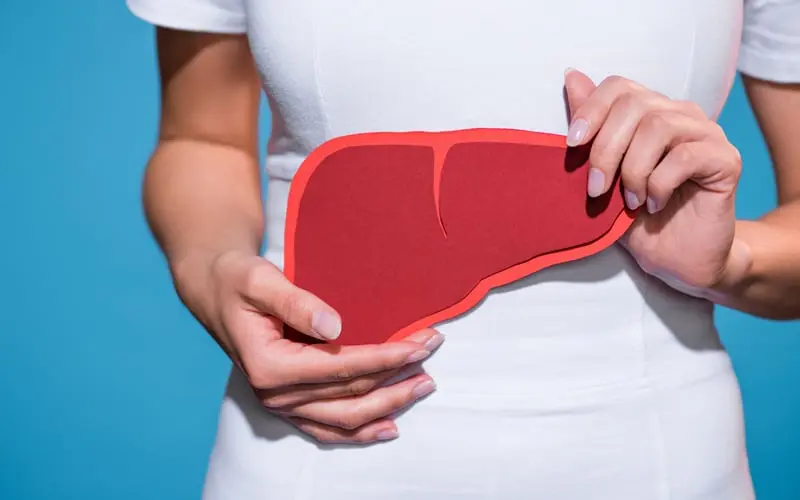
The liver is one of the most vital organs in the body, playing a crucial role in detoxification, metabolism, and digestion. It helps filter out harmful substances, regulate blood sugar, produce proteins, and store vitamins and minerals. Ensuring that your liver stays healthy is essential for overall well-being. Diet plays a significant role in maintaining liver health, and certain foods can either promote liver function or contribute to its damage. In this article, we will explore the best and worst foods for your liver, helping you make informed choices for a healthier life.
Foods Good for Liver: The Best Choices for Liver Health
Maintaining a healthy liver requires a diet rich in nutrients that support its detoxification, regeneration, and overall function. Here are some beneficial foods for liver that can significantly enhance liver health:
1. Leafy Greens
Leafy greens such as spinach, kale, and arugula are excellent for liver health. These vegetables are rich in antioxidants and fiber, which help detoxify the body and protect the liver from oxidative stress. They also promote bile production, which aids in digestion and the breakdown of fats. Regular consumption of healthy things for liver like kale and spinach can help the liver regenerate and prevent fatty liver disease.
2. Beets
Beets are high in betalains, a type of antioxidant that has been shown to reduce inflammation and promote liver detoxification. They support the liver’s natural cleansing process and help boost its ability to filter out toxins. Additionally, beets are rich in fiber, which aids in digestion and supports healthy bile flow. Incorporating beetroot into your diet is one of the best liver healthy foods.
3. Garlic
Garlic is not only a flavorful addition to your meals, but it is also one of the foods good for liver. It contains sulfur compounds that activate liver enzymes, which help flush out toxins from the body. Garlic also helps reduce inflammation and may aid in lowering cholesterol levels, further supporting liver function.
4. Avocados
Avocados are rich in healthy fats, particularly monounsaturated fats, which support liver function. They also contain glutathione, a powerful antioxidant that helps the liver detoxify harmful substances. Studies have shown that avocados can help protect the liver from damage caused by toxins and may promote liver regeneration. Including liver healthy foods like avocados in your diet can help reduce the risk of liver disease.
5. Olive Oil
Olive oil, especially extra virgin olive oil, is a heart-healthy fat that can benefit the liver. It has anti-inflammatory properties and is rich in antioxidants that help protect the liver from oxidative stress. Olive oil also helps improve fat metabolism, which can prevent the buildup of fatty liver. As part of a balanced diet, liver best food choices like olive oil can help maintain a healthy liver.
6. Citrus Fruits
Citrus fruits like oranges, lemons, and grapefruits are packed with vitamin C and antioxidants, both of which play an essential role in detoxifying the liver. These fruits stimulate the production of liver enzymes that help flush out toxins from the body. They also contain compounds that reduce inflammation, which supports liver health. Consuming liver healthy food options like citrus fruits can help improve liver function and detoxification.
7. Turmeric
Turmeric, a spice commonly used in Indian cuisine, contains curcumin, a powerful compound known for its anti-inflammatory and antioxidant properties. Curcumin has been shown to improve liver function by increasing the production of bile and reducing inflammation in the liver. Adding turmeric to your diet can support liver detoxification and overall health.
8. Green Tea
Green tea is rich in catechins, antioxidants that support liver function by reducing oxidative stress. Research suggests that drinking green tea regularly can help protect the liver from fat accumulation, improve enzyme levels, and promote liver regeneration. It is one of the best liver healthy foods you can incorporate into your daily routine.
9. Nuts
Nuts such as almonds, walnuts, and Brazil nuts are high in healthy fats, fiber, and antioxidants, making them excellent for liver health. Walnuts, in particular, contain omega-3 fatty acids, which help reduce inflammation and oxidative damage to the liver. Regular consumption of nuts can help maintain healthy liver function and prevent fatty liver disease.
10. Cruciferous Vegetables
Cruciferous vegetables, including broccoli, Brussels sprouts, and cauliflower, are rich in sulfur compounds and fiber. These vegetables help enhance the liver’s ability to detoxify and reduce inflammation. They also promote bile production, which aids in digestion and fat metabolism. Eating foods that are good for liver like broccoli and Brussels sprouts can help improve liver health over time.
Worst Foods for Your Liver: Foods to Avoid for Optimal Liver Health
While some foods can enhance liver function, others can be detrimental to liver health. A poor diet can lead to liver disease, fat buildup, and chronic inflammation. Here are some foods that are bad for liver and should be avoided or consumed in moderation:
1. Alcohol
Excessive alcohol consumption is one of the leading causes of liver damage. Alcohol can cause fatty liver disease, alcoholic hepatitis, and cirrhosis, leading to irreversible damage over time. While moderate alcohol consumption may not cause significant harm to the liver, it is best to avoid alcohol entirely if you have existing liver conditions or are at risk for liver disease.
2. Processed Foods
Processed foods, such as fast food, snacks, and packaged meals, are typically high in unhealthy fats, sugars, and additives. These foods can cause inflammation and oxidative stress in the liver, leading to fatty liver disease. The high sugar content in processed foods also promotes insulin resistance, which can further damage the liver. Reducing processed food intake is essential for liver food health.
3. Refined Sugars and Carbohydrates
Refined sugars and carbohydrates, found in sugary drinks, candies, and baked goods, can have a negative impact on liver health. These foods can lead to insulin resistance, fat buildup in the liver, and inflammation. Over time, this can result in non-alcoholic fatty liver disease (NAFLD). To promote healthy liver function, it is important to limit the intake of refined sugars and carbohydrates.
4. Fried Foods
Fried foods are often high in unhealthy trans fats, which can contribute to liver inflammation and fat accumulation. These fats are difficult for the liver to process and can lead to the development of fatty liver disease. Eating too many fried foods can also raise cholesterol levels and increase the risk of liver damage. Opting for healthy things for liver, such as grilled or steamed options, is a better choice.
5. High-Sodium Foods
A diet high in sodium, found in processed meats, canned soups, and salty snacks, can lead to high blood pressure and water retention, putting additional strain on the liver. Excessive sodium intake can also contribute to liver damage by affecting the liver’s ability to filter out toxins. Reducing sodium intake is essential for promoting liver food health.
6. Red Meat
Red meat, particularly fatty cuts of beef and pork, is high in saturated fats, which can contribute to liver fat accumulation. Over time, this can lead to fatty liver disease and liver inflammation. Instead of red meat, choose lean protein sources such as fish, chicken, or plant-based proteins to support liver health.
7. Sugary Beverages
Sugary beverages like sodas, energy drinks, and sweetened juices are high in empty calories and refined sugars, both of which can have a negative impact on liver health. These drinks can lead to fat accumulation in the liver, insulin resistance, and the development of fatty liver disease. Choosing liver best food options like water, herbal teas, or natural fruit juices is a healthier alternative.
8. Margarine and Artificial Trans Fats
Margarine and other products containing artificial trans fats can cause inflammation and damage liver cells. These unhealthy fats are hard for the liver to break down and can increase the risk of liver disease. Avoiding foods that contain trans fats is crucial for maintaining liver healthy food habits.
Conclusion: A Liver-Friendly Diet for Optimal Health
Maintaining liver health is essential for overall well-being. By incorporating foods good for liver into your diet, such as leafy greens, beets, garlic, avocados, and green tea, you can support liver detoxification, regeneration, and function. On the other hand, avoiding foods that are bad for the liver, such as alcohol, processed foods, and refined sugars, can help prevent liver damage and disease.
Adopting a balanced, liver-friendly diet is one of the best ways to promote liver health and reduce the risk of liver disease. By choosing liver healthy foods and making mindful dietary choices, you can ensure that your liver stays in optimal condition, supporting your overall health and vitality for years to come.
About The Author


