
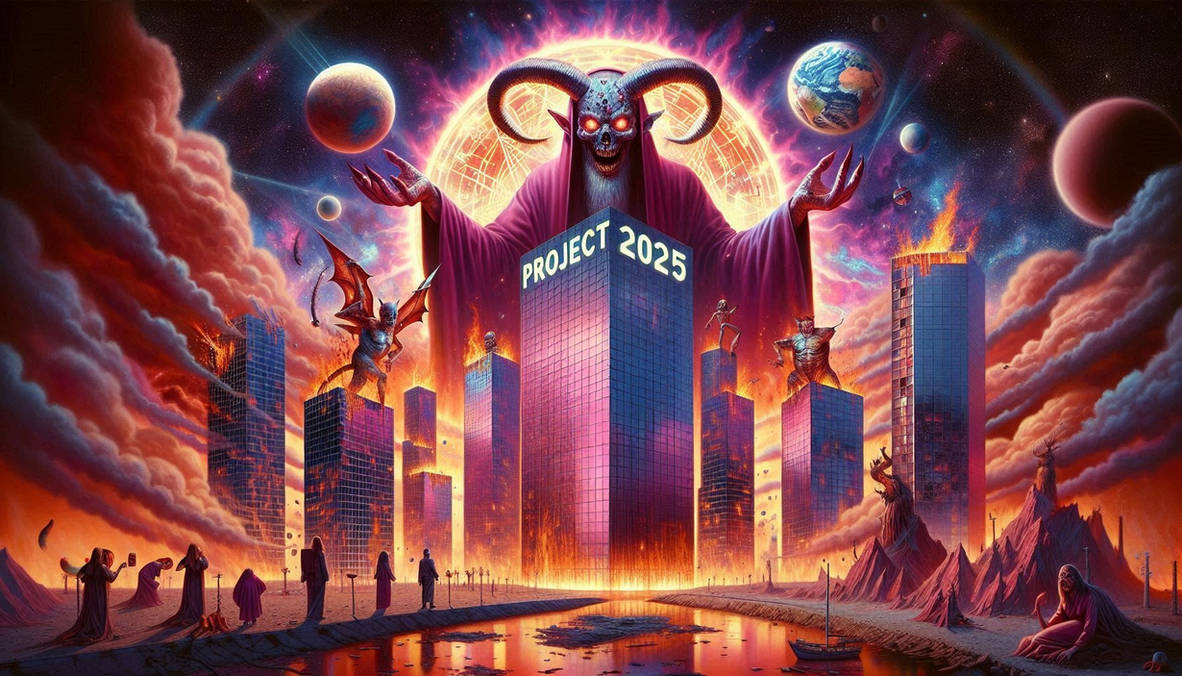
As we move toward 2025, groundbreaking advancements across diverse domains are set to redefine our worldview. These phenomena, fueled by technological, social, and environmental forces, are not only shaping the future but also challenging our existing paradigms. Here are 10 transformative phenomena likely to reshape how we think, act, and innovate in 2025.
1. AI-Driven Personalized Ecosystems
Artificial Intelligence (AI) is transcending its role as a tool and becoming an integral part of everyday decision-making. By 2025, hyper-personalized AI ecosystems will dominate industries such as healthcare, retail, and education. AI will curate individualized experiences, from tailoring educational curriculums to creating bespoke healthcare solutions based on genetic data. This shift will challenge traditional one-size-fits-all approaches, forcing us to question the limits of customization and the ethical implications of hyper-personal surveillance.
2. Quantum Computing at Scale
Quantum computing is expected to make significant strides, moving beyond the experimental phase to practical applications. Companies like IBM, Google, and emerging startups are racing to achieve quantum supremacy. In 2025, these advanced systems could solve problems in seconds that would take traditional supercomputers millennia. This breakthrough will redefine fields like cryptography, materials science, and logistics optimization, prompting a re-evaluation of data security and computational limitations.
3. Climate Adaptation Technologies
The accelerating impacts of climate change are driving innovations in climate adaptation. In 2025, we’ll see widespread use of technologies such as carbon capture and storage, geoengineering, and precision agriculture to mitigate environmental damage. Cities will adopt flood-resistant infrastructure and vertical farming to ensure resilience. This phenomenon will not only reshape our interaction with the environment but also force us to reassess our collective responsibility toward sustainability.
4. The Age of Synthetic Biology
Synthetic biology will revolutionize medicine, agriculture, and energy production. Scientists are already creating synthetic organisms to produce biofuels, bioplastics, and even vaccines. By 2025, advancements in CRISPR and gene editing will enable unprecedented control over biological systems, potentially eradicating genetic diseases and enhancing human capabilities. While the possibilities are exciting, the ethical debates surrounding “playing God” with life forms will become more urgent than ever.
5. The Metaverse and Mixed Reality Integration
The metaverse—a blend of augmented reality (AR), virtual reality (VR), and physical reality—is poised to become a dominant digital ecosystem. By 2025, immersive experiences will transform entertainment, education, and workplace collaboration. Virtual offices will replace physical ones, and digital twin technologies will allow companies to simulate real-world operations. As digital and physical realities converge, society will grapple with questions about identity, privacy, and the definition of “real.”
6. Space Exploration and Commercialization
The next frontier of human ambition is space, and 2025 will mark a significant leap in space exploration and commercialization. Private companies like SpaceX, Blue Origin, and Rocket Lab are spearheading missions to establish lunar bases and prepare for Mars colonization. Simultaneously, satellite constellations will democratize global internet access. These advancements will reshape geopolitics, redefine our concept of borders, and spark debates about ownership and resource allocation in space.
7. Universal Basic Services (UBS) Movement
As automation disrupts job markets, the concept of Universal Basic Services (UBS) is gaining traction. Unlike Universal Basic Income (UBI), UBS focuses on providing essential services like healthcare, education, and housing for free. By 2025, several nations are expected to experiment with UBS frameworks, potentially reducing inequality and reshaping economic systems. This shift will challenge traditional notions of welfare and economic participation, fostering a new era of social equity.
8. Breakthroughs in Renewable Energy
Renewable energy technologies are advancing rapidly, with solar, wind, and battery storage reaching unprecedented efficiencies. By 2025, we could witness the widespread adoption of next-generation solar panels, nuclear fusion prototypes, and decentralized energy grids. These breakthroughs will not only accelerate the transition away from fossil fuels but also empower communities to generate and manage their own energy. This decentralization will disrupt traditional energy monopolies and redefine global power dynamics.
9. Neurotechnology and Human-Machine Interfaces
Neurotechnology is bridging the gap between humans and machines. By 2025, brain-computer interfaces (BCIs) like Elon Musk’s Neuralink could enable direct communication between the brain and external devices. These technologies will transform healthcare, enabling people with disabilities to control prosthetics or computers with their thoughts. However, this convergence of biology and technology raises ethical dilemmas about cognitive enhancement, data privacy, and the essence of human identity.
10. Global Health Preparedness and Collaboration
The COVID-19 pandemic underscored the importance of global health systems and preparedness. By 2025, advancements in mRNA technology, rapid diagnostics, and global data-sharing platforms will revolutionize how we respond to health crises. Predictive analytics powered by AI will allow early detection of outbreaks, and decentralized healthcare delivery systems will improve accessibility. This shift will not only save lives but also foster a sense of shared responsibility in tackling global challenges.
Conclusion
By 2025, these phenomena will not only redefine industries but also challenge our fundamental perceptions of technology, humanity, and the planet. While these changes promise unprecedented opportunities, they also require us to address ethical, social, and environmental questions with urgency. The world of 2025 is not just about innovation; it is about how we choose to navigate the complexities of progress. As we stand on the cusp of this transformative era, the way we adapt will determine the trajectory of our shared future.
About The Author


