
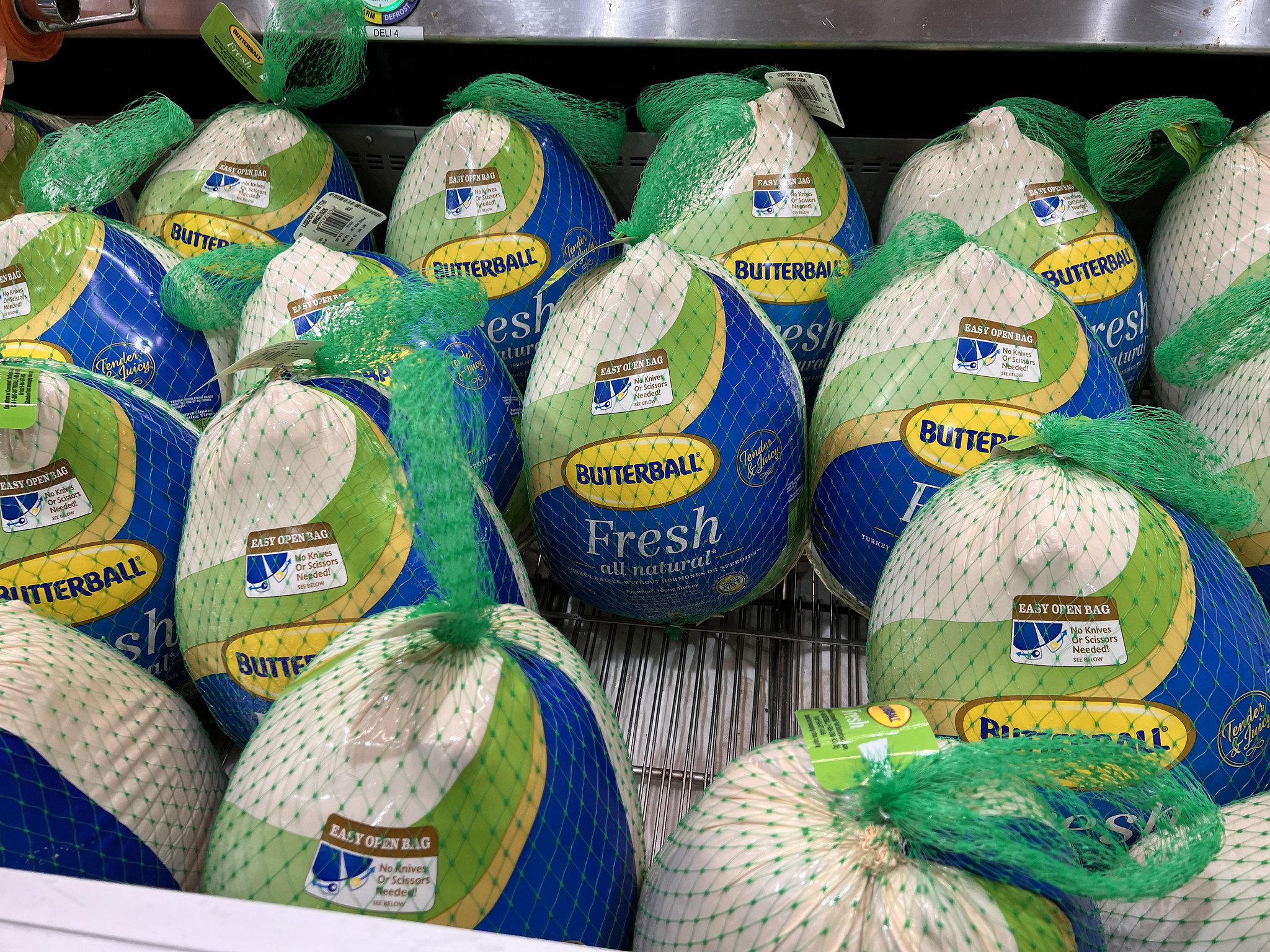
As the Thanksgiving season unfolded in 2024, Butterball, a household name in turkey production, faced a scandal that shook its reputation to the core. Allegations of severe animal cruelty and even sexual abuse toward turkeys surfaced, casting a shadow over the company’s brand and sparking intense public and media scrutiny. Coupled with a major product recall, this controversy has brought significant attention to ethical practices in the poultry industry.
What Happened?
The controversy began when allegations of mistreatment emerged, reportedly based on both current and past investigations. The most alarming claims involve instances of extreme abuse at Butterball facilities, including footage that allegedly shows employees engaging in heinous acts against live turkeys. Reports from animal rights organizations such as PETA detail horrifying conditions, including workers stomping on turkeys, slamming them into walls, and engaging in sexually abusive behavior
PETA.
These allegations coincided with the recall of select Butterball turkey products. While the company cited potential contamination concerns as the reason for the recall, critics argue that the timing raises questions about internal oversight and management practices
PETA.
Butterball’s Response
Butterball has categorically denied that these allegations reflect current practices, emphasizing its commitment to animal welfare. The company has pointed to its partnership with the American Humane Association and adherence to strict care standards, including third-party audits. Butterball maintains that the incidents described in the reports are isolated cases that do not represent its operational standards
PETA.
Despite its assurances, the backlash has been swift and severe. Consumers, retailers, and advocacy groups have called for greater transparency and accountability from the company. On social media, hashtags like #BoycottButterball and #EthicalThanksgiving have gained traction, reflecting growing dissatisfaction among consumers.
The Recall and Its Impact
In addition to the abuse allegations, Butterball recalled a significant batch of turkey products just weeks before Thanksgiving. The recall was reportedly due to concerns over potential contamination, though specifics were not immediately disclosed. This development has compounded the company’s woes, with consumers questioning the safety of Butterball’s products alongside its ethical practices.
Recalls during peak seasons are particularly damaging for companies. For Butterball, Thanksgiving is a critical period, accounting for a substantial portion of annual sales. The dual crises of a recall and allegations of abuse threaten not only immediate revenue but also long-term brand loyalty.
Industry-Wide Implications
Butterball’s crisis has reignited debates about animal welfare within the broader poultry industry. Critics argue that systemic issues, such as insufficient regulations and high-pressure production environments, create conditions where abuse is more likely to occur. Under U.S. federal law, poultry is excluded from the Humane Methods of Slaughter Act, which governs the treatment of livestock during slaughter. This loophole leaves birds vulnerable to inhumane practices
PETA.
The controversy has also amplified calls for better oversight and accountability in the industry. Advocacy groups are urging stricter enforcement of existing regulations and the introduction of new measures to ensure ethical treatment of animals. Some are calling for an end to factory farming altogether, pushing for a shift toward plant-based alternatives.
Consumer Reactions
The allegations have prompted many consumers to reevaluate their choices this Thanksgiving. Some have pledged to boycott Butterball products, while others are exploring plant-based alternatives or sourcing turkeys from smaller, local farms with verified humane practices.
Social media has played a pivotal role in driving consumer awareness. Posts highlighting the allegations, along with graphic footage and testimonials, have gone viral, creating a PR nightmare for Butterball. The company’s response, viewed by some as insufficient or dismissive, has further fueled public anger.
A Turning Point for Ethical Food Practices?
The Butterball controversy comes at a time when consumer interest in ethical and sustainable food practices is on the rise. The growing popularity of plant-based diets and alternative proteins reflects a broader shift toward conscious consumption. For many, the allegations against Butterball serve as a stark reminder of the ethical considerations tied to food choices.
Advocacy groups have seized the moment to promote vegan and vegetarian lifestyles, emphasizing that eliminating animal products is the most effective way to avoid supporting cruelty. Organizations like PETA are using the controversy to push for broader changes within the food industry, including the adoption of cruelty-free practices and increased transparency.
What Comes Next?
For Butterball, recovering from this crisis will require more than just damage control. The company must take meaningful steps to rebuild consumer trust, starting with a thorough investigation of the allegations and a commitment to greater transparency. Strengthening animal welfare protocols and engaging with third-party auditors to verify compliance could help restore credibility.
On a broader scale, the controversy underscores the need for systemic change within the poultry industry. From stricter regulations to greater public awareness, the fallout from Butterball’s crisis may catalyze lasting improvements in ethical food production.
Conclusion
The Butterball scandal has cast a long shadow over Thanksgiving in 2024, forcing consumers, industry stakeholders, and advocacy groups to confront uncomfortable truths about food production. While the immediate impact on Butterball’s reputation and sales is evident, the long-term implications could reshape the poultry industry’s approach to animal welfare and accountability.
As the controversy continues to unfold, one thing is clear: the choices we make as consumers have a profound impact, not just on our plates but on the lives of countless animals and the ethical standards of the food industry as a whole.
About The Author


