
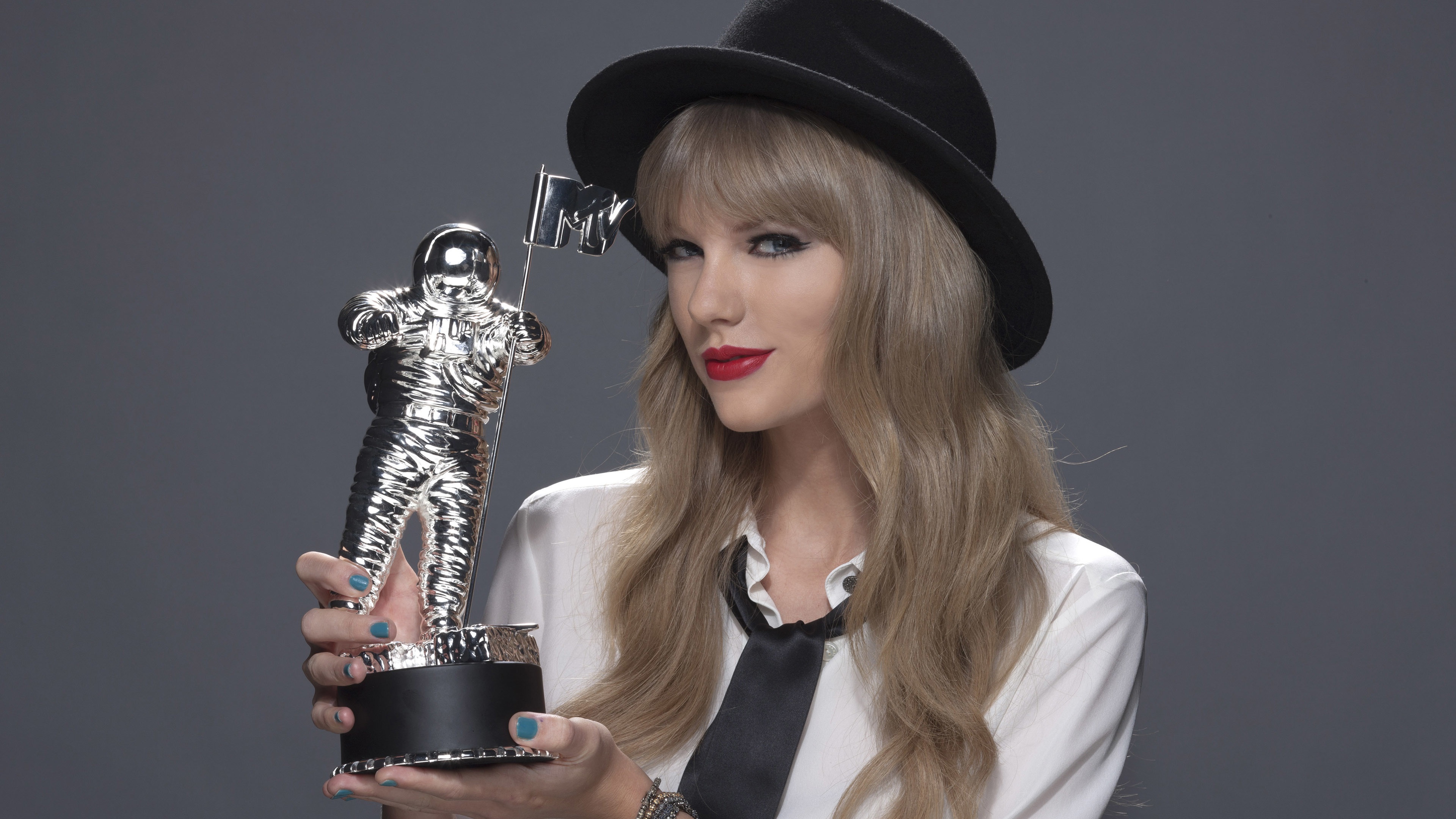
Taylor Swift isn’t just a pop sensation; she’s a cultural force with an influence that extends far beyond her chart-topping hits. Her reach, creativity, and commitment to her fans have transformed her into a global powerhouse capable of moving markets and reshaping industries. Dubbed “The Taylor Swift Effect,” her ability to sway trends and behaviors has become a fascinating study in pop culture’s impact on the economy. In this article, we’ll explore how Swift’s influence has expanded beyond entertainment to reshape multiple sectors, including the music industry, tourism, fashion, and even stock prices.
1. The Music Industry Revolution: Swift’s Fight for Artists’ Rights
Swift’s career-long stance on artists’ rights has brought the conversation around fair compensation to the forefront of the music industry. From her early decision to pull her music from streaming platforms like Spotify in 2014 to her insistence on re-recording her earlier albums to retain ownership, Swift has consistently prioritized artists’ control over their work. Her actions have pressured major labels to rethink their contracts, forcing them to offer fairer deals to artists.
The “Taylor Swift Effect” here is clear: by leveraging her influence, she’s shifted industry standards and given younger artists more negotiating power. Her campaign helped prompt Apple Music to reverse its initial policy of not paying artists during the streaming service’s free trial period, setting a precedent that artists shouldn’t be expected to give away their work for free. Today, as she re-records her earlier albums to regain ownership, Swift has set a new standard for intellectual property rights in the industry, allowing other artists to pursue similar paths.
2. Driving Tourism and the “Concert Economy”
The recent “Eras Tour” has shown the global economy the power of Taylor Swift’s fanbase. With stops spanning continents, the tour has injected billions of dollars into local economies. Swift’s performances generate unprecedented demand for tickets, leading to booming sales in the host cities. Fans, often willing to travel across states or even countries, book hotels, dine at local restaurants, and shop at nearby stores. Each concert is a mini economic boost for local businesses.
According to recent estimates, the U.S. leg of the Eras Tour alone brought in more than $5 billion to the local economies in host cities. In Glendale, Arizona, where Swift kicked off her tour, the city went as far as temporarily renaming itself “Swift City.” Hotels were fully booked months in advance, and the influx of Swifties created a surge in demand across various sectors. The concert economy has become so significant that cities are now vying to host her shows, knowing the substantial economic benefit Swift’s fans bring.
3. The Power of Swifties and Consumer Behavior
Swift’s influence over her fanbase, known as “Swifties,” extends to brand partnerships, merchandise, and beyond. The Taylor Swift Effect is fueled by her fans’ extraordinary loyalty, with Swifties often purchasing products and services endorsed by the star. This extends to her collaborations with brands like Keds, Diet Coke, Apple Music, and Capital One. Her endorsements are known to lead to a massive spike in sales, sometimes even resulting in shortages.
For example, Swift’s partnership with Capital One led to a noticeable uptick in credit card sign-ups. Fans were drawn in by the promise of early ticket access, showcasing how Swift’s influence can shape purchasing decisions. This partnership strategy, combined with exclusive rewards and fan-centered experiences, has become a blueprint for brands looking to capture a similar sense of loyalty and excitement among consumers.
4. Swift’s Fashion Influence and the Rise of “Cottagecore”
Swift’s style evolution has had a substantial impact on fashion, influencing trends from country chic to edgy pop princess to the recent “cottagecore” aesthetic seen in her Folklore and Evermore albums. Cottagecore, characterized by its soft, rural, and vintage-inspired aesthetic, exploded in popularity after Swift’s embrace of it. The popularity of this trend has brought fresh demand for brands that cater to it, such as Free People, Madewell, and smaller independent sellers on platforms like Etsy.
Through her unique fashion sense, Swift has created a “demand economy” for certain styles and looks. The ripple effect can be seen in the increased sales for clothing items that resemble those worn by Swift in her public appearances and album covers. Brands that align with her style choices report spikes in searches and sales, showcasing the tangible impact of her influence on the fashion industry.
5. Breaking Records on Streaming Platforms
Taylor Swift’s presence on streaming platforms has redefined how artists approach digital releases and audience engagement. Her album drops frequently lead to record-breaking streaming numbers. Swift’s recent Midnights album saw 184 million streams on Spotify in a single day, marking the platform’s biggest-ever first-day streams. The ripple effect didn’t just affect Spotify; Apple Music, Amazon, and other streaming services saw massive engagement as fans flocked to experience her latest work.
Such record-breaking releases don’t just benefit Swift—they also generate additional ad revenue for these platforms and increase user engagement. Swift’s ability to captivate millions of listeners highlights the potential for monetizing highly engaged fanbases through streaming. Her impact on streaming has set a new bar for what is possible, inspiring other artists to innovate and find new ways to maximize their digital presence.
6. Boosting Social Media Engagement and Brand Partnerships
Swift’s influence is also evident on social media. Every time she announces new music, a tour, or even a personal update, fans flood platforms like Twitter, Instagram, and TikTok. The buzz generated by Swift’s social media presence often becomes a trending topic, pushing companies to partner with her for unprecedented visibility. Brands and platforms also find ways to incorporate her presence to drive their own metrics. Instagram, Twitter, and YouTube have all experienced significant engagement spikes following Swift-related announcements.
Swift’s own social media strategy is worth noting, as she fosters a direct and authentic connection with her fans, creating a “parasocial” relationship that amplifies fan loyalty. Her posts become events, driving engagement that benefits both her and the platforms. This increased social engagement spills over into brand partnerships, as brands know that any product associated with her is likely to trend.
7. Impact on Stock Markets and Consumer Goods
Swift’s influence reaches even Wall Street, where the so-called “Swift Index” reflects her impact on companies associated with her brand. When Swift announces a partnership, it often leads to an immediate spike in stock prices for the company. For example, her partnership with Ticketmaster for the Eras Tour led to surges in Ticketmaster’s parent company, Live Nation’s, stock as fans scrambled to secure tickets.
In some cases, Swift’s influence can create demand surges and supply chain stress. For instance, her merchandise is highly coveted, often selling out instantly, prompting other brands to create Swift-inspired collections. Swift’s economic impact isn’t limited to fashion or music; it also includes a broader influence on industries like beverage and consumer goods. The “Taylor Swift effect” shows how a single pop star’s influence can extend to retail sectors that wouldn’t typically benefit from a musician’s brand.
8. Redefining Brand Loyalty and the Concept of Fandom Economics
What truly makes Swift’s impact on the global economy unique is her ability to cultivate brand loyalty through “fandom economics.” The concept goes beyond consumer loyalty to traditional products and services. Swifties don’t just buy her music or attend her concerts; they buy into her brand as an identity. This form of fan devotion leads to increased spending on related products, experiences, and even travel, as we’ve seen with the “Eras Tour” tourism boost.
Fandom economics leverages the psychological bonds formed between artists and fans, making Swifties more than just consumers—they’re brand ambassadors who help spread the word, amplify trends, and actively engage in Swift’s universe. This form of brand loyalty isn’t tied to a specific product but is built around a shared identity and community, creating a sustainable model that benefits both Swift and the industries connected to her.
9. The Taylor Swift Effect on Young Women’s Empowerment
Finally, Swift’s influence on the economy also includes her role in promoting women’s empowerment and financial independence. Swift has inspired countless young women to advocate for themselves and prioritize their financial futures. Her public battles with record labels, her unwavering stance on artists’ rights, and her transparency about her business ventures have reshaped young women’s perspectives on their own financial power.
Many female-led businesses and emerging entrepreneurs attribute their inspiration to Swift’s influence, leading to a rise in female-driven startups, merchandise lines, and fan-centric businesses. The confidence she instills in her fans contributes to economic empowerment and financial literacy among young women, further proving that Swift’s impact extends beyond traditional metrics and into cultural values.
Conclusion
The Taylor Swift Effect is more than just a cultural phenomenon—it’s a testament to the economic impact a single individual can have in today’s interconnected world. Through her influence on the music industry, tourism, fashion, social media, and even Wall Street, Swift has created a brand that transcends typical celebrity boundaries. By harnessing the loyalty of her fans and strategically aligning herself with consumer trends, Swift has proven that the reach of an artist is no longer limited to the stage. Her impact on the global economy reflects her status as an icon of our time—one whose power may only continue to grow.
In a world where celebrity influence is often fleeting, Taylor Swift’s lasting impact on multiple economic sectors is a case study in how art, business, and culture intersect to shape not just trends but entire markets. As she continues to evolve, so too will the economic landscape she leaves in her wake.
About The Author


