
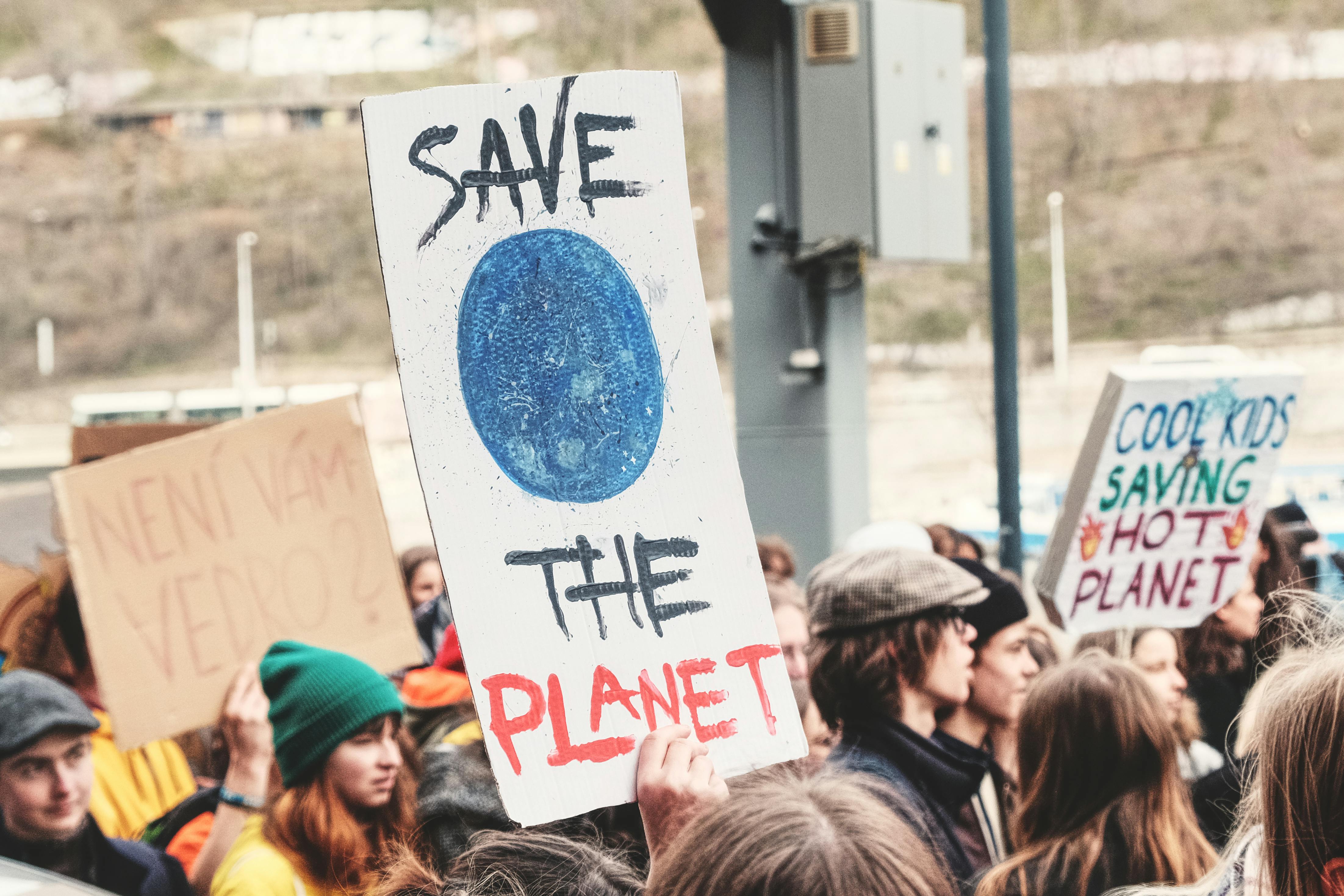
Throughout history, young people have consistently been the vibrant heartbeat and driving force behind societal transformation.
While they may often lack the established institutional power wielded by elected officials, seasoned business leaders, or established political parties, youth movements have repeatedly demonstrated that the potent combination of boundless energy, innovative creativity, and unyielding moral clarity can indeed rival, and often surpass, conventional political force.

From the thunderous protests echoing through city streets to the meticulously crafted and viral campaigns orchestrated across social media platforms, youth around the world have, time and again, spearheaded movements that fundamentally shape national identities, boldly challenge entrenched global power structures, and unequivocally demand a more just, equitable, and inclusive future for all.
This article delves into a captivating exploration of landmark youth movements spanning across diverse decades and continents. We will meticulously trace the intricate ways in which young people have organized themselves to rise up against various forms of injustice, whether social, economic, or political. We will examine how they have redefined the very essence of civic participation, moving beyond traditional avenues to embrace new forms of activism and engagement.

Furthermore, we will analyze the profound and often indelible impact these movements have had, illustrating how the collective actions of young individuals have not merely influenced, but actively altered the course of human history, leaving an enduring legacy that continues to inspire and inform contemporary struggles for change.
From the civil rights era to environmental activism, and from anti-war protests to digital democracy movements, the narratives of youth leadership reveal a powerful and recurring pattern of courage, conviction, and an unwavering commitment to a better world.
The Power of Youth in Historical Uprisings
The 1968 Wave of Global Protests
In 1968, youth-led uprisings erupted in cities across the world—Paris, Prague, Mexico City, Chicago, and Berlin—fueled by a shared frustration with authority, inequality, war, and outdated educational systems.
- In France, student protests at the University of Nanterre sparked nationwide strikes involving over 10 million workers. The movement led to a near-collapse of President Charles de Gaulle’s government.
- In Czechoslovakia, students were central to the Prague Spring, advocating for democratic reforms under Alexander Dubček. Though crushed by Soviet tanks, it planted seeds of dissent that later contributed to the Velvet Revolution.
- In Mexico, students in Tlatelolco Plaza demanded democratic reform. The government responded with brutal force, killing hundreds—a tragedy still commemorated and studied today.
- In the U.S., college campuses exploded with protests against the Vietnam War, racial injustice, and the draft, reshaping the national discourse on civil liberties.
These simultaneous eruptions were not coordinated globally, but they echoed one another, showing how youth frustration transcends borders and systems.

Soweto Uprising: Youth Against Apartheid
On June 16, 1976, thousands of Black South African students marched in Soweto to protest the mandatory use of Afrikaans in schools—a language seen as the tongue of their oppressors. Police opened fire, killing hundreds, including 13-year-old Hector Pieterson. The image of his body being carried by a fellow student became a symbol of resistance.
This uprising:
- Sparked international condemnation of apartheid.
- Mobilized youth across South Africa into long-term resistance movements.
- Elevated the importance of student organizing in liberation struggles.
🔗 Hector Pieterson Memorial & Museum
Tiananmen Square: The Fight for Reform in China
In 1989, Chinese students occupied Tiananmen Square, demanding political reform, anti-corruption measures, and democratic freedoms. For weeks, students debated, organized, and held vigils under international watch. The movement ended in bloodshed when the Chinese military moved in, killing hundreds—perhaps thousands.
Although heavily censored in China today, Tiananmen remains a stark reminder of youth’s willingness to face enormous risks in pursuit of truth and reform.
Youth in the Digital Era: Organizing Beyond Borders
Arab Spring and the Rise of Social Media Protest
The Arab Spring (2010–2012) began when 26-year-old Mohamed Bouazizi, a Tunisian street vendor, set himself on fire in protest of police harassment. His death ignited protests that brought down regimes in Tunisia, Egypt, Libya, and Yemen.
Youth played a central role:
- They used Facebook, Twitter, and YouTube to organize protests and expose state brutality.
- In Egypt, youth groups like April 6 mobilized millions, culminating in the resignation of President Hosni Mubarak.
- In Syria and Bahrain, protests started peacefully with youth at the helm before devolving due to government repression.
While the outcomes of these revolutions remain complex, the Arab Spring redefined the role of digital activism in authoritarian states.
🔗 Al Jazeera Archive on the Arab Spring
#BlackLivesMatter: A New Era of Global Solidarity
Founded in 2013, #BlackLivesMatter began as a hashtag in response to the acquittal of George Zimmerman for the killing of Trayvon Martin. It grew into a global movement after the 2020 murder of George Floyd.
BLM’s youth-led protests spanned over 60 countries. Key achievements:
- Legislative reforms and police accountability debates.
- Statues of colonial figures removed and institutions renamed.
- Global reckoning with systemic racism, colonialism, and privilege.
🔗 Black Lives Matter Official Site

Fridays for Future and the Climate Strike Movement
Inspired by Greta Thunberg’s solo protest outside the Swedish Parliament in 2018, Fridays for Future has since mobilized millions of young people across the world to demand climate action.
- In 2019 alone, over 7 million people across 185 countries participated in global climate strikes.
- Activists like Vanessa Nakate (Uganda), Luisa Neubauer (Germany), and Mitzi Jonelle Tan (Philippines) expanded the movement beyond Europe.
- Youth have successfully pressured governments to declare climate emergencies and divest from fossil fuels.
Movements Born from Crisis and Resistance
#EndSARS and Youth Defiance in Nigeria
In October 2020, Nigerian youth ignited a massive protest against the Special Anti-Robbery Squad (SARS)—a police unit notorious for abuse and extortion. The movement, initially launched via Twitter, escalated into nationwide protests.
Key aspects:
- Transparent organization via Twitter and WhatsApp.
- Youth-led fundraising, legal aid, and medical support for protesters.
- Documented violence despite state denials, culminating in the Lekki Toll Gate massacre.
Though the government dissolved SARS, demands for justice and reform persist.
March for Our Lives and Gun Reform in the U.S.
Following the 2018 shooting at Marjory Stoneman Douglas High School in Parkland, Florida, survivors launched March for Our Lives—a nationwide movement calling for gun control.
Within weeks, youth organizers:
- Mobilized over 800,000 people for the March 24, 2018 protest in Washington, D.C.
- Advocated for legislation at state and federal levels.
- Created voter registration initiatives targeting Gen Z.
Their disciplined, data-driven approach challenged narratives that young people are politically apathetic.
LGBTQ+ Youth Movements Across the Globe
In regions where LGBTQ+ rights are limited or criminalized, youth are organizing for inclusion, safety, and visibility.
Highlights:
- India: Youth activists were pivotal in the 2018 Supreme Court decision decriminalizing homosexuality.
- Kenya and Uganda: Despite homophobic laws, young queer activists leverage online platforms to build solidarity and educate.
- Eastern Europe: Youth-led Pride movements defy rising nationalist and anti-LGBTQ+ sentiment in countries like Poland and Hungary.
🔗 OutRight Action International

From the Streets to Policy: Youth Shaping the Future
Youth and Intersectional Feminism
Movements like Ni Una Menos in Latin America, launched to combat femicide, and global student-led protests against gender-based violence have seen youth—especially girls and nonbinary individuals—challenging patriarchal systems.
- In Argentina and Chile, feminist student occupations led to national curriculum reforms.
- In India, the Pinjra Tod (“Break the Cage”) collective demands safer and freer spaces for women in universities.
These youth groups build solidarity through storytelling, art, and direct action.

Youth and Indigenous Rights
Young Indigenous leaders are asserting their voices at international forums and local protests.
- Autumn Peltier (Anishinaabe, Canada): An international advocate for clean water rights.
- Xiye Bastida (Otomi-Toltec, Mexico/USA): A prominent figure in climate activism, tying ecological justice to Indigenous sovereignty.
- Sámi youth movements in Scandinavia: Protecting reindeer herding traditions and protesting against mining projects on ancestral land.
They preserve not only memory but future cultural survival through activism rooted in land and lineage. They are the guardians of ancestral knowledge, weaving it into the fabric of their daily lives and advocating tirelessly for their heritage.

Their activism is deeply rooted in the land—the physical and spiritual source of their identity—and in the unbroken chain of their lineage, which connects past, present, and future generations. Through this profound connection, they ensure that their cultural memory isn’t just preserved in history books, but lives on as a vibrant, evolving force that guarantees their future survival.
Conclusion: The Future is Already Here
Youth movements are not a prelude to change—they are change. Whether fighting for climate justice, racial equity, gender rights, or democratic reform, young people are not waiting their turn. They are rewriting the rules.
Today’s youth are digital natives, globally connected, intersectional in their analysis, and courageous in their vision. In the face of climate crisis, economic injustice, and political polarization, they remind us that hope is not passive—it’s organized.
Their message is clear: another world is not only possible, but necessary. And they are building it.
Verified Links and Resources
About The Author


