
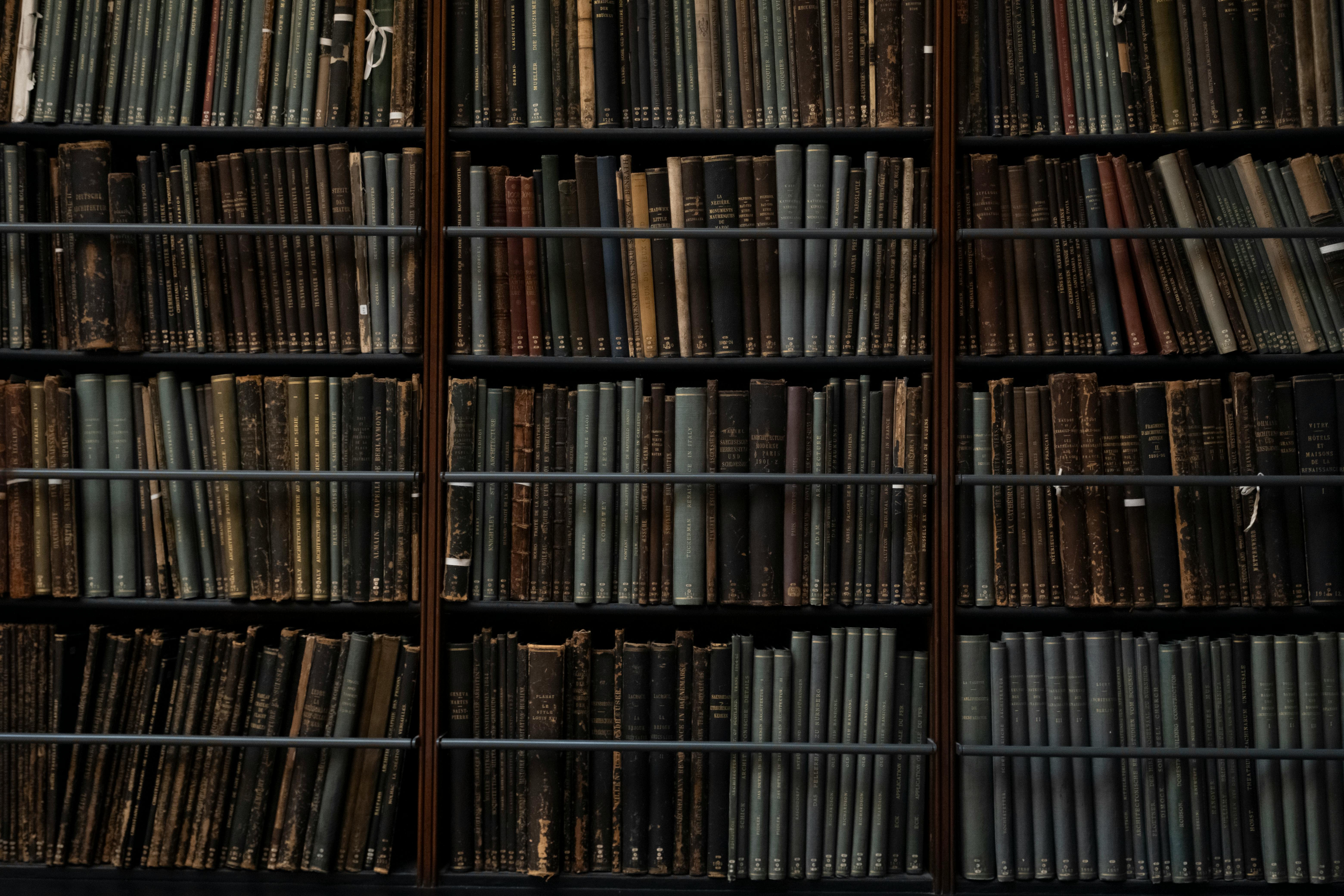
Memory is not stored only in monuments, photographs, or archives. It lives in language—in the verses whispered before sleep, the stories passed down by elders, and the novels that echo through generations. Literature is one of humanity’s oldest and most enduring tools for preserving collective memory. It captures not only what happened, but how it felt, what it meant, and why it must not be forgotten.
From oral epics to contemporary novels, literary works encode the emotional, spiritual, and cultural essence of a people’s past. Whether confronting colonial trauma, war, migration, or daily life, literature allows communities to carry their histories forward—not just as facts, but as lived experience.
Memory and Narrative: An Ancient Bond
Long before historical records, literature—often in oral form—was the primary means by which societies remembered. The line between myth, history, and literature was porous. Through storytelling, people remembered ancestors, wars, migrations, gods, and moral codes.
Ancient examples:
- The Epic of Gilgamesh (Mesopotamia): One of the oldest known literary texts, capturing grief, kingship, and the search for immortality.
- Homer’s Iliad and Odyssey (Greece): Preserved Greek cultural identity and moral values through poetic storytelling.
- The Mahabharata and Ramayana (India): Epic narratives that carry philosophical teachings, social norms, and historical memory across millennia.
These texts endure not simply because of their plotlines, but because they transmit a worldview—anchoring a people to a shared past.

Literature as Testimony and Witness
In modern times, literature has often served as a form of testimony—especially in contexts where official history erases or distorts the truth. Writers give voice to the silenced, bearing witness through fictional characters or poetic language.
Literature as historical witness:
- Holocaust literature: Works like Elie Wiesel’s Night and Primo Levi’s If This Is a Man preserve the memory of atrocity in ways that complement—but differ from—official records.
- Post-colonial narratives: Chinua Achebe’s Things Fall Apart counters colonial depictions of Africa, preserving Igbo culture and precolonial memory.
- Latin American dictatorship fiction: Novels like Mario Vargas Llosa’s The Feast of the Goat document the psychological and social impact of authoritarian rule.
Where history often focuses on policy, dates, and leadership, literature captures fear, longing, trauma, and resistance—preserving not just what happened, but how it felt.

Oral Traditions and Collective Memory
Even in literate societies, oral storytelling remains a vital means of preserving memory. Folktales, proverbs, and ballads carry cultural values, local history, and social norms.
The literary function of oral forms:
- African griots and praise poets: Serve as living archives, passing down genealogy, history, and values through rhythmic speech.
- Indigenous American storytelling: Transmits cosmology, seasonal knowledge, and community law through sacred narratives.
- Folk songs and epic chants: Preserve battles, love stories, and ancestral teachings in poetic form, often memorized across generations.
Oral literature ensures that memory is not static. It evolves, responds to context, and remains rooted in community performance.
Literature and National Identity
Many nations have foundational literary works that shape their collective memory and sense of identity. These texts become symbolic—echoed in school curricula, political speeches, and public monuments.
Examples of literary nation-building:
- The Divine Comedy by Dante (Italy): Helped establish a national language and theological imagination.
- Don Quixote by Cervantes (Spain): Reflected and shaped Spanish cultural self-understanding.
- Leaves of Grass by Walt Whitman (USA): Celebrated American diversity, democracy, and optimism.
- The Tale of Genji by Murasaki Shikibu (Japan): Offers insight into Heian-era court life and cultural values.
These works do more than reflect culture—they help construct it, embedding national myths, dreams, and traumas into the collective psyche.

Marginalized Voices and Reclaimed Memory
Historically, dominant narratives have often excluded the experiences of women, the working class, Indigenous communities, and racial minorities. Contemporary literature challenges this by reclaiming memory through alternative lenses.
Literary reclamation in action:
- Toni Morrison’s novels re-inscribe African American history into U.S. literature, giving voice to enslaved and marginalized women.
- Maxine Hong Kingston’s The Woman Warrior blends autobiography, folklore, and political critique to preserve Chinese-American female experience.
- Bapsi Sidhwa and Kamila Shamsie write about the Partition of India and Pakistan from intergenerational and gendered perspectives.
These writers do not simply add to the canon—they redefine whose memory matters and who gets to tell it.
The Role of Fiction in Remembering
Fiction may seem a strange vehicle for historical memory, but it often proves more enduring and emotionally resonant than academic histories. Through character, setting, and symbolism, fiction creates affective memory—memory tied to feeling.
Functions of fictional memory:
- Empathy generation: Readers experience history through characters, fostering deeper connection and understanding.
- Temporal layering: Novels often collapse timelines, weaving together past and present to explore the continuity of trauma or resistance.
- Symbolic narrative: Metaphor and allegory allow writers to explore difficult truths obliquely—especially under censorship or repression.
Fiction doesn’t distort memory—it often sharpens it, illuminating emotional truths that survive long after the facts fade.
Moments of social and political rupture—war, genocide, colonization, and exile—often fracture the ability of communities to remember themselves. Institutions fall, languages are lost, and generations become disconnected from ancestral knowledge. In these moments, literature becomes not just a form of remembrance, but a refuge. It offers continuity in the face of disruption and helps rebuild cultural identity through storytelling.
Literature Amid Conflict and War
During wars and mass violence, literature often becomes one of the few surviving artifacts of memory. While monuments can be destroyed and oral tradition disrupted, books and poems endure—documenting human resilience and grief.
Examples of literature as wartime memory:
- “All Quiet on the Western Front” by Erich Maria Remarque captures the trauma of World War I from the perspective of a German soldier, portraying the psychological cost of violence beyond battlefield statistics.
- “The Book Thief” by Markus Zusak uses fiction to portray life in Nazi Germany, illustrating how words and books can preserve life and dignity amid authoritarianism.
- “The Diary of Anne Frank” remains one of the most widely read literary testimonies of the Holocaust, showing how personal memory humanizes large-scale atrocity.
These works do not simply describe war—they preserve the emotional and moral memory of how it felt to survive, resist, or witness it.

Diaspora, Displacement, and Literary Memory
When communities are scattered across borders—through migration, exile, or forced displacement—literature becomes a bridge to what was left behind. For diasporic writers, the page is both map and altar, documenting not only memory but the struggle to hold onto it.
Key literary voices in diaspora:
- Edwidge Danticat (Haiti/USA): Her novels and memoirs reflect Haitian immigrant life, blending myth and personal memory.
🔗 https://www.edwidgedanticat.com/ - Chimamanda Ngozi Adichie (Nigeria/USA): Explores themes of migration, home, and identity in works like Americanah, tracing how memory transforms in a new land.
🔗 https://www.chimamanda.com/ - Viet Thanh Nguyen (Vietnam/USA): His Pulitzer-winning novel The Sympathizer interrogates the memory of the Vietnam War and the refugee experience from a critical diasporic perspective.
🔗 https://vietnguyen.info/
These writers preserve collective memory while also interrogating how memory is reshaped in exile—layered with nostalgia, trauma, and adaptation.
Postcolonial Literature and Rewriting the Past
Colonization often involved not only the conquest of land but of history. Colonial powers rewrote or erased the cultural memory of those they ruled. Postcolonial literature acts as a counter-narrative, restoring lost voices and reclaiming historical agency.
Literary resistance to erasure:
- Ngũgĩ wa Thiong’o (Kenya): Rejecting English to write in his native Gikuyu, Ngũgĩ’s novels challenge colonial memory by re-centering African language and experience.
🔗 https://www.ngugiwathiongo.com/ - Jean Rhys (Dominica/UK): In Wide Sargasso Sea, she rewrites Charlotte Brontë’s Jane Eyre from the perspective of Bertha Mason, the Creole “madwoman,” exposing racial and colonial dimensions buried in the original.
- Arundhati Roy (India): Through works like The God of Small Things, Roy reconstructs postcolonial Kerala’s memory landscape, focusing on caste, gender, and political silencing.
These writers use fiction as a form of cultural restoration—re-threading collective memory in the face of imposed amnesia.
Literature and Endangered Languages
When a language dies, so does its unique way of remembering. Literature—especially poetry, folktales, and oral recordings—plays a crucial role in sustaining endangered languages and their cultural knowledge.
Preservation through literature:
- Oodgeroo Noonuccal (Australia): One of the first Aboriginal poets to publish in English, her work preserves Indigenous worldviews and linguistic rhythm.
- Josefina Plá (Paraguay): Helped elevate the Guarani language and indigenous themes in Paraguayan poetry and literature.
- UNESCO’s World Atlas of Languages highlights global efforts to preserve literature in endangered tongues.
🔗 https://www.unesco.org/en/atlas-languages
Contemporary authors and linguists are collaborating to publish bilingual texts and revitalize native storytelling traditions—fighting back against language extinction one story at a time.
Memory and Myth in Contemporary Fiction
Modern literature often uses myth and folklore not as relics of the past, but as tools to grapple with present-day injustices. In doing so, writers link ancestral memory with current identity struggles.
Notable examples:
- Salman Rushdie’s Midnight’s Children blends magical realism and Indian mythology to chronicle post-independence memory and national fragmentation.
- Leslie Marmon Silko’s Ceremony uses Laguna Pueblo myths to help a Native American veteran heal from trauma—reaffirming that cultural memory is also medicine.
- Tayeb Salih’s Season of Migration to the North addresses postcolonial memory through allegory and fragmented narration, reflecting Sudan’s complex colonial history.
These works complicate the boundary between fiction and memory, showing that myth and storytelling remain central to how communities remember and heal.
Literature as Archive for the Unrecorded
Many experiences—especially of women, children, the poor, and the colonized—do not exist in official archives. Literature fills in the silences, becoming an unofficial but emotionally authentic record of collective experience.
Literary archives in practice:
- Monique Truong’s The Book of Salt gives voice to a Vietnamese cook in colonial Paris, reimagining the forgotten lives behind famous historical figures.
- Jhumpa Lahiri’s short stories document immigrant memory in ways no census or academic study can.
- Maaza Mengiste’s The Shadow King centers Ethiopian women soldiers during the 1935 Italian invasion—expanding the recorded memory of war.
Through layered narratives, literature captures the subtle, the intimate, the unrecorded—and makes them part of the collective historical imagination.

Digital Literature and the New Memory Archive
The internet has revolutionized the ways in which literature is shared, stored, and accessed. Online literary magazines, digital libraries, and storytelling platforms have expanded access to diverse voices—especially from historically marginalized communities.
Examples of digital literary preservation:
- World Digital Library (WDL): A UNESCO-supported project that provides free access to manuscripts, rare books, and literary works from around the world, preserving global memory through literature.
- Poetry Foundation: Hosts thousands of classic and contemporary poems online, allowing readers to connect with historical memory through verse.
🔗 https://www.poetryfoundation.org/ - Project Gutenberg: Offers over 60,000 free eBooks, including significant literary works that helped shape cultural memory across various eras.
🔗 https://www.gutenberg.org/
These platforms not only safeguard literature but allow global audiences to encounter memory narratives they might otherwise never access.
Literary Communities and Collective Memory Online
Virtual book clubs, reading groups, and literary forums have transformed how people engage with collective memory. These communities foster intergenerational dialogue, cultural exchange, and reinterpretation of classic and contemporary works.
Emerging literary spaces:
- Goodreads and StoryGraph: Digital platforms where readers archive personal reactions to books, preserving evolving interpretations of memory-centered literature.
- #BookTok (TikTok’s literary community): A surprising driver of literary revival, BookTok has boosted interest in novels that grapple with themes of grief, identity, and historical injustice.
- The Reading List (by The New York Times): Recommends literature tied to social justice and cultural heritage—curating memory-driven narratives for modern readers.
🔗 https://www.nytimes.com/spotlight/books
These communities not only keep books alive—they make them relevant, linking historical memory to contemporary conversation.

Hybrid Storytelling and Literary Innovation
In the digital age, literature increasingly overlaps with other media—combining text, sound, image, and interaction to preserve memory in immersive ways.
Innovative formats:
- Digital storytelling platforms: Tools like StoryCorps and The Moth archive oral stories from everyday people, offering emotionally rich memory narratives.
🔗 https://storycorps.org/ - Graphic novels and webcomics: Works like Maus by Art Spiegelman or Persepolis by Marjane Satrapi use visual storytelling to capture historical trauma and cultural heritage.
- Multimedia archives: Institutions like the U.S. Holocaust Memorial Museum integrate survivor testimonies, documents, and literary excerpts into digital exhibits.
🔗 https://www.ushmm.org/
Hybrid literature reflects the fluidity of memory itself—multisensory, fragmented, and constantly evolving.
Global Authors and Transnational Memory
Today’s literary landscape is more global than ever. Translations, online publishing, and international prizes amplify voices that carry collective memories across borders. This globalization of literature allows for shared mourning, solidarity, and education.
Global literary memory in motion:
- International Booker Prize: Celebrates works in translation, ensuring that literary memory transcends language and geography.
- Afropolitan and South Asian diasporic fiction: Writers like Teju Cole, Fatima Bhutto, and Arundhati Subramaniam explore the intersection of memory, migration, and multiplicity.
- Refugee narratives: Authors such as Ocean Vuong and Dina Nayeri foreground the psychological memory of exile—illuminating shared global experiences.
These voices stitch together a global quilt of remembrance, even when borders try to divide.
Censorship, Surveillance, and Literary Resistance
Even in the digital age, memory is threatened by censorship. In many parts of the world, literature that preserves cultural memory or challenges dominant narratives continues to be banned, monitored, or erased.
Forms of literary resistance:
- Samizdat (underground publishing): Historically used in the Soviet Union, this model now finds echoes in encrypted digital publishing and banned book swaps.
- Online archiving of banned texts: Projects like Archive.org and Library Genesis preserve controversial and censored literary works, keeping silenced histories alive.
🔗 https://archive.org/
Literature persists—even under threat—because memory, once written, can be replicated, whispered, and resurrected endlessly.
Why Literary Memory Matters Today
In an age of misinformation and algorithm-driven content, literature remains a space of deliberate reflection. It slows down time. It resists deletion. It invites empathy. Books do not merely contain memory—they build it. Each reader who engages with a novel, poem, or memoir adds another layer to the collective understanding of the past.
Literature teaches us that memory is not passive—it is an active act of construction. Through words, we remember who we were, who we are, and who we refuse to become.
Conclusion
From ancient epics to digital poems, literature remains one of the most powerful tools for preserving—and challenging—collective memory. It gives voice to the silenced, detail to the overlooked, and humanity to history. As technology, politics, and culture shift, the written word continues to stand as both a witness and a builder of the world’s shared remembrance.
In preserving stories, literature preserves identity. And in remembering together, we stay human.
Valid Links and Resources
- Poetry Foundation: https://www.poetryfoundation.org/
- Project Gutenberg: https://www.gutenberg.org/
- StoryCorps: https://storycorps.org/
- U.S. Holocaust Memorial Museum: https://www.ushmm.org/
- Archive.org (Open Library): https://archive.org/
About The Author


