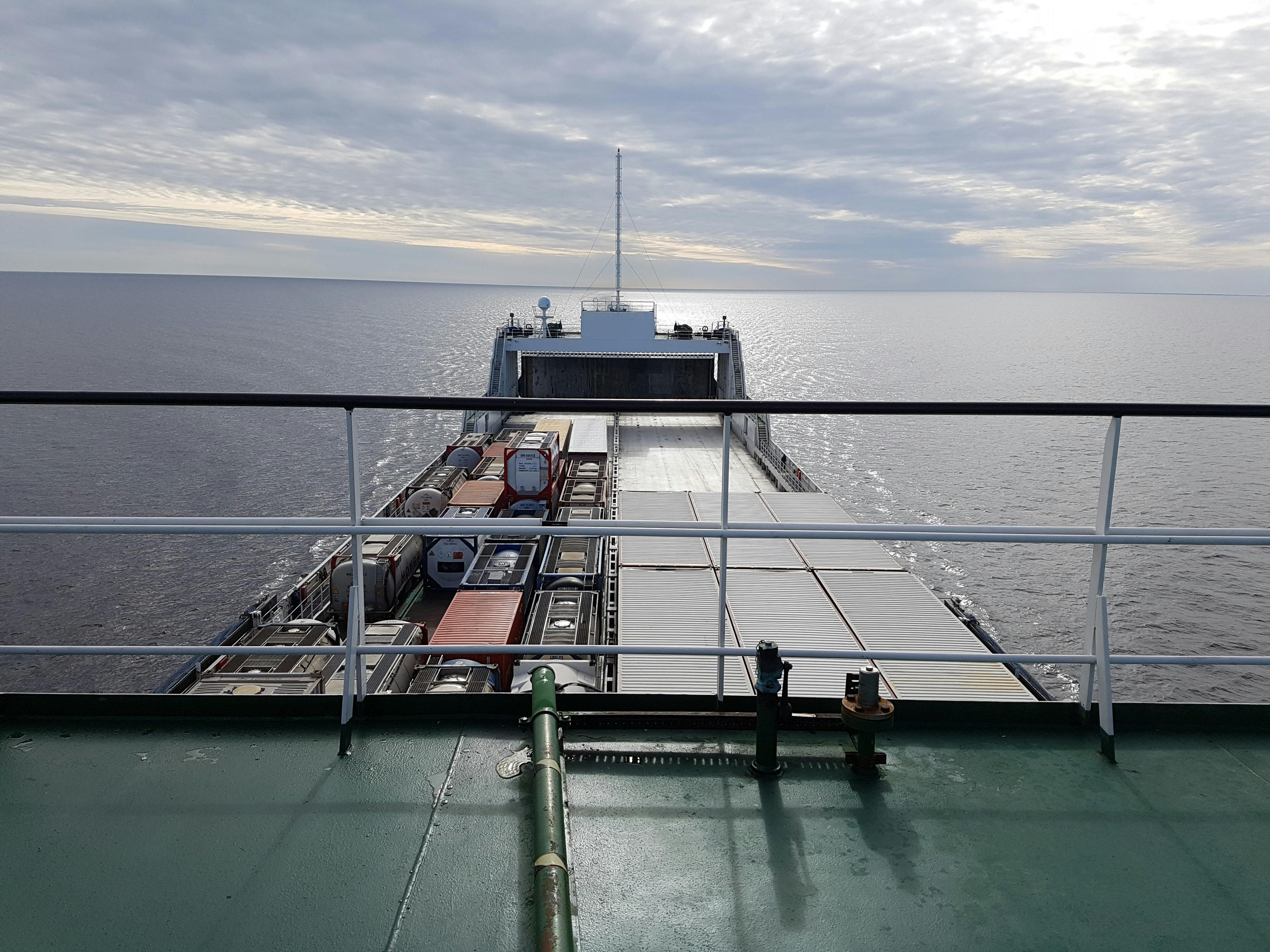
Middle East trade routes hold critical geopolitical significance in 2025. These routes connect Asia, Africa, and Europe through maritime and overland corridors, shaping global commerce and strategic influence. The region’s role as a hub for energy exports, featuring vast reserves of oil and natural gas, is complemented by the development of emerging logistics corridors that facilitate the swift movement of goods across continents. Additionally, crucial chokepoints such as the Strait of Hormuz, Bab el-Mandeb, and the Suez Canal not only serve as vital transit pathways for energy supplies but also underscore the region’s strategic importance in global supply chains. As trade dynamics evolve and new economic partnerships are forged, these routes will continue to attract the interest of major powers, influencing international relations and economic policies in ways that are far-reaching and multifaceted. The Middle East, therefore, remains a central theater for geopolitical maneuvering, with its trade routes acting as arteries through which the lifeblood of the global economy flows.
Why Middle East Trade Routes Matter
- Energy Exports: The region supplies over 30% of global oil and a large share of liquefied natural gas, playing a crucial role in the international energy market while significantly impacting global economic stability and energy security for many countries around the world.
- Strategic Chokepoints: Maritime passages such as the Strait of Hormuz and the Suez Canal handle a significant portion of global trade.
- Connectivity: Trade routes link the Indo-Pacific to Europe and Africa, reducing transit times and costs.
- Security Concerns: Piracy, terrorism, and interstate tensions create persistent risks to supply chain stability.
- Environmental Regulations: New policies aim to reduce environmental impact and promote sustainable practices in shipping.
- Technological Advances: Innovations in shipping logistics and automation increase efficiency in supply chains.
- Workforce Development: Training programs are being established to address skill shortages in maritime industries.
- Geopolitical Influence: Countries in the region play a crucial role in international relations and economic alliances.

Key Maritime Chokepoints
- Strait of Hormuz
- Transports nearly 20% of global oil.
- Central to Iran’s strategic leverage over regional and global powers.
- Constant naval presence of the U.S. and regional actors.
- Major chokepoint for oil exports from the Persian Gulf.
- Frequent geopolitical tensions impact shipping routes.
- Critical for liquid natural gas (LNG) shipments.
- Historical significance in global trade routes and politics.
- Increased military activities affecting international shipping lanes.
- Bab el-Mandeb Strait
- Connects the Red Sea to the Gulf of Aden.
- Essential for Europe-Asia trade flows.
- Security threats from regional conflicts in Yemen and Somali piracy.
- Critical for maritime navigation and military operations.
- Increasing importance for energy transport routes.
- Potential chokepoint for humanitarian and commercial shipping.
- Influenced by the strategic interests of global powers.
- Risk of maritime confrontations in the area.
- Suez Canal
- Handles approximately 12% of global trade volume.
- Vital link between Asia and Europe, with high geopolitical sensitivity.
- Recent disruptions highlight vulnerabilities in global supply chains.
- Canal tolls are a significant source of revenue for Egypt.
- Key route for container ships and oil tankers.
- Lengthy alternative routes increase shipping costs and time.
- Subject to international regulations and treaties.
- Key area for maritime security and rescue operations.

Energy and Trade Dependence
- Middle East oil and gas remain central to Asia’s energy security, especially for China, India, and Japan.
- Europe continues to depend on Middle East energy despite diversification efforts after the Russia-Ukraine war.
- Gulf states are investing in refining and petrochemical industries to increase downstream trade flows.
- Renewable energy projects in the Middle East are gaining attention amid global energy transitions.
- The strategic location of Middle Eastern oil reserves plays a vital role in global trade routes.
- Geopolitical tensions in the region often disrupt energy markets, affecting global prices.
- Major international companies are partnering with Gulf states to explore new energy technologies.
- Middle East countries are looking to expand their influence in Asian energy markets.
- Investment in infrastructure development is crucial for enhancing energy distribution networks.
- Climate change initiatives in the Middle East are prompting shifts towards more sustainable energy solutions.
- The region’s diverse energy sources are becoming essential for meeting global demand.
- Collaborations between Middle Eastern nations and tech firms aim to innovate in energy efficiency.
- Export strategies of Gulf countries are adapting to meet new consumer needs in energy markets.
- The rise of electric vehicles is influencing energy consumption patterns in the region.
Infrastructure and New Corridors
- China’s Belt and Road Initiative (BRI): Heavy investment in ports and rail infrastructure across the region.
- India-Middle East-Europe Corridor (IMEC): Proposed route to counterbalance China’s Belt and Road Initiative (BRI) influence by enhancing trade connectivity, facilitating energy security, and promoting economic cooperation between India, the Middle East, and European countries, ultimately aiming to create a strategic corridor that fosters regional stability and growth.
- Gulf State Investments: UAE and Saudi Arabia expand logistics hubs and air-sea connectivity, enhancing their economic partnerships and trade routes to facilitate smoother access for businesses, thereby increasing regional competitiveness and fostering growth in various sectors.
- Digital Trade Routes: Undersea internet cables and data centers add new dimensions to strategic competition, enhancing global connectivity and impacting economic relationships between nations, as these critical infrastructures become central to the flow of information and digital resources.
- Japan’s Infrastructure Outreach: Involvement in development projects to enhance regional connectivity, including the construction of advanced transportation systems, the establishment of sustainable urban environments, and the implementation of cutting-edge technological solutions to improve efficiency and accessibility for communities across the region.
- European Union Connectivity Strategy: Initiatives focused on strengthening trade links with partner countries.
- Russia’s Arctic Passage: Exploration of new shipping routes to enhance trade efficiency, increase access to previously untapped natural resources, and facilitate quicker transportation of goods between Europe and Asia, ultimately aiming to bolster economic relationships in the region.
- Turkey’s Transportation Network: Development of land routes to bridge Europe and Asia, facilitating trade and cultural exchange, while enhancing connectivity between major cities and rural areas, thus fostering economic growth and improving accessibility for travelers and goods.
- Africa’s Port Development: Investment in African ports to boost international trade routes, enhance logistics capabilities, and foster regional economic growth, driving infrastructure improvements and creating job opportunities for local communities.
Competition Among Major Powers
- United States: Maintains a strong naval presence in various strategic locations around the globe to ensure free passage of shipping routes and to provide security for allies’ energy imports, thereby reinforcing international stability and deterring potential threats to maritime trade.
- China: Expands influence through strategic port acquisitions, extensive infrastructure financing, and increasing energy trade partnerships with various countries across the globe, thereby enhancing its economic footprint and geopolitical leverage.
- Russia: Builds extensive trade and energy partnerships to effectively bypass Western sanctions imposed on its economy, seeking alternative markets and creating new alliances to strengthen its position on the global stage.
- European Union: Focuses on securing supply chains and diversifying trade routes to enhance economic resilience, promote sustainability, and strengthen partnerships with various global economies while adapting to geopolitical challenges.
- India: Strengthens regional partnerships and enhances energy security through diversification, thereby increasing cooperation with neighboring countries to develop sustainable energy initiatives, engage in collaborative projects, and address common energy challenges while promoting mutual economic growth and stability in the region.
- Japan: Invests in renewable energy projects and forges new trade agreements to enhance its economic growth and environmental sustainability, leveraging cutting-edge technologies and promoting international collaboration in the green energy sector.
- Saudi Arabia: Leverages oil exports to establish strategic alliances, strengthening its geopolitical influence across the Middle East and beyond, while also diversifying its economy to reduce dependency on oil revenue.
- Turkey: Positions itself as a key energy transit hub between Europe and Asia, facilitating the transportation and distribution of various energy resources, including natural gas and oil, while enhancing energy security and fostering regional cooperation among surrounding nations.
Regional Players and Strategies
- Saudi Arabia: Seeks to transform into a global logistics hub under Vision 2030, aiming to enhance its transportation infrastructure, develop advanced supply chain solutions, and attract international investment in the logistics sector, ultimately positioning itself as a key player in global trade and commerce.
- UAE: Uses ports like Jebel Ali and Khalifa as gateways for Asia-Africa-Europe trade, facilitating the movement of goods and contributing significantly to the economy, while also serving as crucial hubs for logistics and transportation services in the region.
- Iran: Leverages geography for strategic pressure on maritime chokepoints.
- Turkey: Promotes itself as a critical overland corridor between Asia and Europe.
- Egypt: Capitalizes on the Suez Canal for global maritime trade routes.
- Qatar: Focuses on enhancing air and maritime logistics through Hamad Port.
- Oman: Develops Port Duqm as a key logistics and trade hub in the region.
- Kuwait: Invests in infrastructure to support enhanced shipping and logistics services.
Security Challenges
- Naval Confrontations: U.S.-Iran tensions in the Strait of Hormuz continue to create instability.
- Regional Conflicts: War in Yemen threatens shipping through Bab el-Mandeb.
- Piracy: Despite improvements, Somali piracy remains a latent risk.
- Terrorism: Non-state actors threaten energy infrastructure and shipping routes.
- Geopolitical Tensions: Increased military presence in the South China Sea raises concerns over trade routes.
- Cybersecurity Threats: Cyberattacks targeting maritime operations can disrupt shipping logistics.
- Natural Disasters: Hurricanes and typhoons can impact shipping schedules and port operations.
- Environmental Regulations: Stricter emissions guidelines may affect shipping costs and operational routes.
- Economic Sanctions: International sanctions can restrict shipping access to certain regions.
- Technological Disruptions: Advancements in shipping technologies may challenge traditional shipping methods.
Outlook
- Trade route competition will intensify between the U.S., China, and regional powers.
- New corridors like IMEC may reduce reliance on chokepoints but require large investments.
- Energy diversification and renewables will shift some trade dynamics but oil and gas will remain dominant.
- Middle East routes will increasingly involve not only physical commodities but also digital and technological infrastructure.
- Geopolitical tensions will drive countries to seek alternative trade partners.
- Emerging markets will play a critical role in reshaping global supply chains.
- Technological advancements in logistics will enhance trade efficiency.
- Environmental regulations will influence trade policies and practices.
- The rise of e-commerce will change traditional trade dynamics and transport logistics.
- Protectionist policies may lead to increased regional trade agreements.
Conclusion
Middle East trade routes remain a core driver of geopolitical strategy, significantly influencing not just regional dynamics but also the interconnected global landscape. Control over maritime chokepoints and logistics hubs determines energy security, trade efficiency, and global economic stability, posing both opportunities and challenges for nations vying for influence and control. As new corridors emerge, driven by advancements in technology and infrastructure, and great power competition intensifies among established and rising nations, the region’s importance will persist well beyond energy resources. This evolving role shapes the future of global commerce and security, as alliances shift, economic partnerships are formed, and rivalries develop, all of which impact how goods and energy traverse these vital passages. In this intricate interplay, the Middle East stands as a linchpin, facilitating not only trade but also strategic military positioning and diplomatic negotiations on a broader scale.
Sources
- https://www.csis.org
- https://www.cfr.org
- https://www.reuters.com
- https://www.imf.org
- https://www.weforum.org
- https://www.brookings.edu
- https://unctad.org
About The Author