
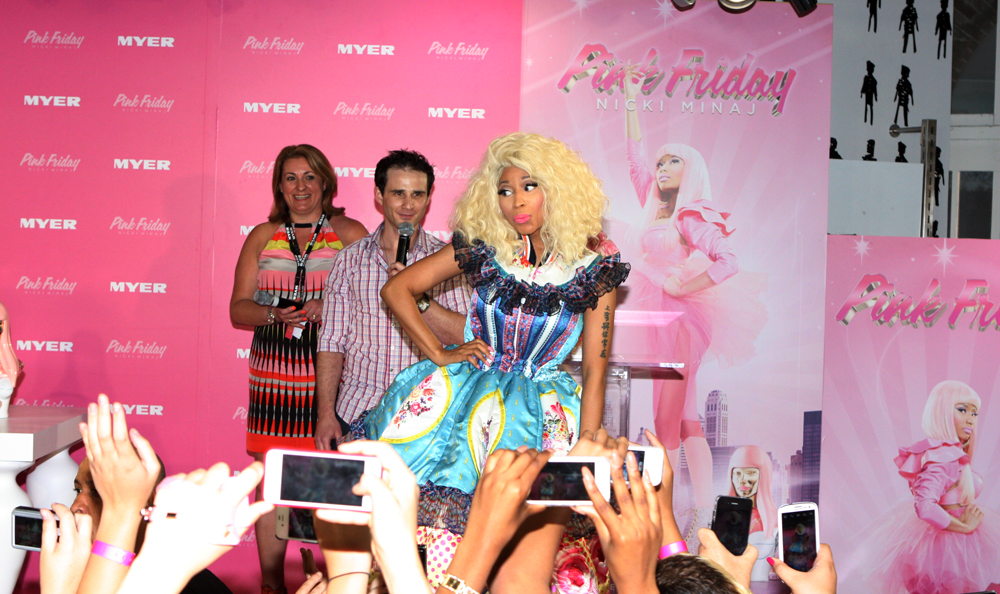
When 228,000 album-equivalent units register in a single week for a hip-hop release, the industry pays attention. When that release belongs to Nicki Minaj — an artist with over a decade of cultural and commercial dominance — the number becomes more than a headline. It becomes a referendum on how music sales, streaming, and fan power now intersect.
The Pink Friday milestone is not only about Minaj’s own catalog. It’s about the broader transformation of how female rap has gone from a genre side-stream to one of the most commercially powerful forces in music. It’s about what fans can do when they organize strategically, and what labels can learn about monetizing loyalty in a fragmented streaming market. Most importantly, it’s about whether these numbers can be sustained — or whether they reflect an era of increasingly frontloaded campaigns that burn bright and fade fast.
The Numbers That Made Headlines
The reported 228,000 units represent album-equivalent consumption. That means the tally combines three major components:
- Pure sales: Roughly 92,000 came from physical and digital album purchases. In today’s market, pure sales are a rare feat.
- Streaming equivalent albums (SEA): The majority of remaining units came from track streams on platforms such as Spotify, Apple Music, and YouTube Music.
- Track equivalent albums (TEA): Single track downloads also contribute, though at a much smaller scale compared to streaming.
To understand why 228,000 matters, it helps to compare with benchmarks:
- Minaj’s original Pink Friday in 2010 sold about 375,000 pure copies in its first week — in an era before streaming dominated.
- Her 2018 album Queen sold around 185,000 units first week, a mix of pure and streaming.
- For context, Cardi B’s reported first-week sales for Invasion of Privacy (2018) were 255,000, while Megan Thee Stallion’s Good News (2020) opened at 100,000.
By any measure, 228,000 places Pink Friday among the top female rap openings of the streaming era. And unlike many peers, the pure sales component of 92,000 underscores that Minaj’s fan base is willing to pay rather than just stream.
Female Rap Album Sales: From Margins to Mainstream
In the late 1990s and early 2000s, female rappers rarely crossed six-figure first-week sales. Missy Elliott was an exception, with albums like Under Construction moving over 250,000 first week in 2002. But consistent commercial performance by women in rap remained rare.
Today, that dynamic has changed. Women are not just participating in rap’s commercial success — they are often leading it. Consider the landscape:
- Cardi B became the first female rapper to win the Grammy for Best Rap Album, with Invasion of Privacy sustaining chart presence for years.
- Doja Cat blurred rap and pop, driving strong album streams through TikTok virality.
- Megan Thee Stallion leveraged cultural moments like “Savage” and “WAP” to solidify mainstream reach.
Nicki Minaj sits at the center of this shift. Her consistency across more than a decade, from Pink Friday to Pink Friday 2, demonstrates how female rap has become both commercially viable and culturally dominant.
For labels, this isn’t just representation. It’s a recalibration of expectations: women rappers are expected to deliver 100K+ openings, global tours, and crossover hits. That expectation didn’t exist twenty years ago.
Streaming Economics and the Power of Fans
Album-equivalent units are now shaped heavily by streaming. Roughly 1,250 premium streams (or 3,750 ad-supported streams) equal one album unit. This system puts power in the hands of organized fan bases.
The Barbz — Minaj’s loyal supporters — exemplify this. By mobilizing listening parties, replay campaigns, and social media hashtags, they can collectively drive tens of millions of streams in short periods. This type of activity:
- Boosts playlist placement on Spotify and Apple Music.
- Signals algorithmic relevance, which extends reach beyond the fan base.
- Creates a sense of event-driven momentum that media outlets amplify.
Other fan groups follow similar tactics. The Bardi Gang, the Hotties, and the Beyhive have all demonstrated the power of collective streaming. But the Barbz are among the most effective at translating online noise into measurable chart outcomes.
What you should recognize is that fans are no longer passive consumers. They are active campaigners. And in today’s music economy, organized fans can be as impactful as a label’s marketing budget.
Marketing Anatomy: What Worked for Nicki Minaj
The Pink Friday rollout was not accidental. It combined traditional tactics with modern fan engagement. Key levers included:
- Multiple physical formats: Vinyl, deluxe editions, and limited collectibles boosted pure sales.
- Merch bundles: Packages that included album access drove incremental revenue and counted toward chart units.
- Tour synergy: Announcing and promoting the Pink Friday World Tour alongside the album created a multiplier effect. Fans who bought tickets often purchased albums as part of access packages.
- Cross-platform engagement: Minaj’s team aligned music video drops, social media challenges, and interviews to sustain momentum across different audiences.
- Deluxe drops: Adding tracks after release kept streams high into the second week, prolonging relevance.
For artists and executives, the lesson is clear: success today requires both a strategic plan and the ability to mobilize fans.
Risks and Limitations
Success at this scale comes with risks. Labels and artists should not ignore the following realities:
- Frontloaded performance: When campaigns concentrate activity in the first week, second-week drops can be sharp. This can distort long-term impact.
- Streaming decay: Tracks that debut with huge numbers may fail to sustain beyond curated playlists if organic listening weakens.
- Rule changes: Billboard and other chart authorities have adjusted policies on bundles before. Aggressive tactics may lead to regulatory pushback.
- Fan fatigue: Repeated calls to action can exhaust fan bases, especially if every release demands coordinated streaming or buying.
- Comparison trap: Once an artist achieves 228K, future projects will be judged against that benchmark, raising pressure.
The question for Minaj and others is not just how high the first week climbs, but how sustainable the long tail becomes.
What This Means for the Industry
Nicki Minaj’s sales moment signals broader industry trends:
- Female rap is a growth engine: The commercial floor has risen, and labels are prioritizing female voices in hip-hop portfolios.
- Pure sales still matter: While streaming dominates, a large pure sales figure provides stability and revenue security.
- Fan bases are marketing assets: The industry is learning to treat fan communities as scalable distribution channels.
- Touring drives album performance: As physical sales decline, tour tie-ins ensure revenue diversity.
- Brands are watching: Partnerships and sponsorships increasingly follow fan-driven sales data, viewing fandom as proof of influence.
If you are an artist or executive, this means the bar has shifted. To compete at Nicki Minaj’s level, you must invest in both content and community infrastructure.
Future Outlook
The industry now faces critical questions:
- Will album-equivalent units continue to hold meaning in a singles-driven, playlist-heavy environment?
- Can other female rappers replicate Nicki Minaj’s model, or is this level of fan mobilization unique?
- How will labels adapt when fan-led campaigns clash with chart fairness debates?
- Could the next breakthrough come from new monetization models, such as NFTs, fan subscriptions, or direct-to-consumer exclusives?
Looking ahead, expect the industry to experiment. Deluxe editions will become more common. Bundling strategies will evolve under tighter scrutiny. And fan-driven marketing will increasingly resemble political campaigning — organized, data-driven, and relentless.
Closing Thoughts
Nicki Minaj’s Pink Friday milestone is more than an isolated success. It is proof that female rap is no longer a sidebar but a main driver of global music economics. It shows how mobilized fans can rival traditional marketing spends. It underscores that pure sales, streaming, and touring are most powerful when aligned.
As you reflect on this moment, ask yourself:
- If you were rolling out an album today, how would you balance first-week hype with long-term relevance?
- Are you treating your fans as consumers — or as campaigners capable of reshaping your trajectory?
- And most importantly, is the industry prepared for a future where women in rap not only compete but often lead in sales, influence, and impact?
The answers will shape not only the careers of artists like Nicki Minaj but the future structure of the music business itself.
About The Author


