
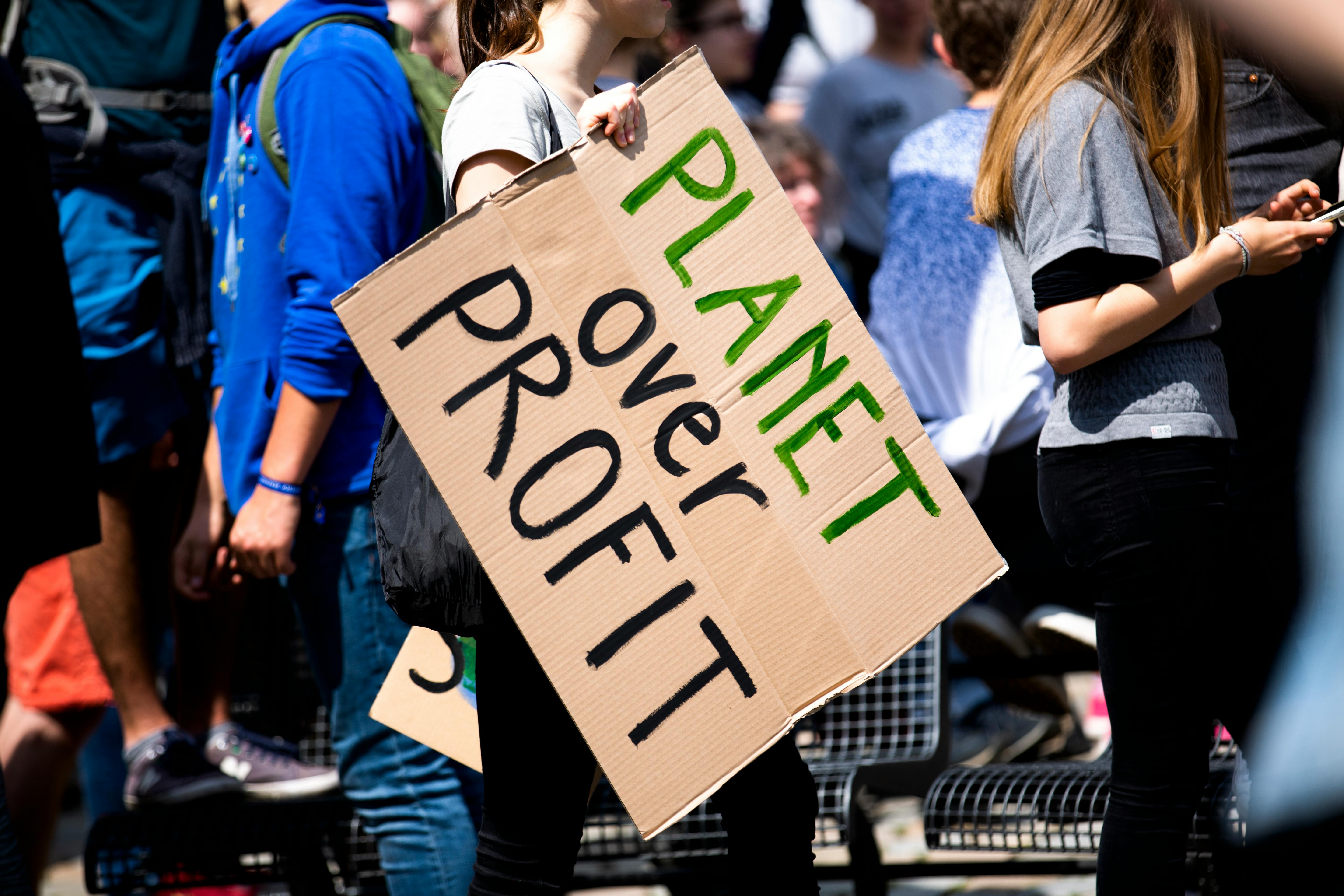
Climate change has shifted from being a primarily scientific debate to a central driver of global economic, social, and political agendas. Climate change policies now shape trade, finance, industrial strategies, technology development, and international relations. By 2025, nearly every government, multilateral institution, and major corporation has adopted climate-related commitments. What was once an environmental concern has evolved into one of the defining frameworks of global governance.
This article analyzes the evolution of climate change policies, their design and implementation, their geopolitical and economic impacts, the challenges they face, and their likely trajectory. The aim is to provide a fact-based, professional overview of how climate policies are shaping societies and economies worldwide.
Historical Evolution of Climate Change Policies
Early Environmental Awareness (1970s–1980s)
- Environmental activism gained momentum in the 1970s, leading to the first international conferences on pollution and biodiversity.
- Policies at this stage targeted air quality, ozone depletion, and industrial waste, not climate change directly.
- The 1987 Montreal Protocol on Substances that Deplete the Ozone Layer marked one of the first globally coordinated environmental frameworks.
- The 1992 Earth Summit in Rio de Janeiro brought together countries to address sustainable development and climate change.
- The Kyoto Protocol in 1997 established legally binding obligations for developed countries to reduce greenhouse gas emissions.
- The rise of non-governmental organizations highlighted environmental issues and increased public awareness throughout the 2000s.
- The Paris Agreement in 2015 marked a significant milestone in global climate action, aiming to limit global warming to well below 2 degrees Celsius.
Creation of the UNFCCC (1992)
- The United Nations Framework Convention on Climate Change (UNFCCC) established the foundation for global negotiations.
- It introduced the principle of “common but differentiated responsibilities,” recognizing that industrialized nations were more responsible for emissions.
- The convention set a framework for future international agreements on climate change.
- It emphasized the importance of sustainable development and the need for all countries to participate in combating climate change.
- The UNFCCC established a reporting system for countries to track their emissions and commitments.
- It has facilitated annual meetings called Conference of the Parties (COP) to assess progress and negotiate further actions.
- The Kyoto Protocol, as an extension of the UNFCCC, set legally binding emission reduction targets for developed countries.
Kyoto Protocol (1997)
- The Kyoto Protocol introduced legally binding emission reduction targets for developed countries.
- Mechanisms included emissions trading, the Clean Development Mechanism (CDM), and joint implementation.
- The U.S. did not ratify the protocol, limiting its effectiveness, but it set an important precedent.
- The protocol was adopted on December 11, 1997, and entered into force on February 16, 2005.
- It aimed to reduce greenhouse gas emissions to levels below those of 1990.
- Developed countries were required to reduce their overall emissions by an average of 5.2%.
- Developing countries were not subject to binding targets under the protocol.
- The protocol encouraged sustainable development through its mechanisms.
- It had a time frame for emission reductions from 2008 to 2012.
- The protocol’s effectiveness is often debated among environmentalists and policymakers.

Copenhagen Accord (2009)
- The Copenhagen summit highlighted the difficulty of forging consensus among developed and developing economies.
- While it fell short of expectations, it introduced voluntary pledges from both advanced and emerging nations.
Paris Agreement (2015)
- Nearly every nation agreed to keep warming “well below 2°C” and pursue efforts to limit it to 1.5°C.
- Introduced Nationally Determined Contributions (NDCs), creating a bottom-up system of voluntary commitments.
- Established a framework for long-term transparency and ratcheting up ambition every five years.
- Emphasized the importance of financial support for developing countries to meet climate goals.
- Recognized the need for adaptation and resilience measures to cope with climate impacts.
- Encouraged participation of non-state actors, including cities, businesses, and civil society.
- Set a goal to enhance capacity-building for governments, especially in developing nations.
- Promoted technology transfer to accelerate the global transition toward a low-carbon economy.
2020s and Net-Zero Commitments
- Over 140 countries, covering more than 90% of global GDP, pledged to achieve carbon neutrality by mid-century.
- The COVID-19 pandemic and subsequent recovery highlighted the need to integrate climate policy with economic resilience.
- By 2025, climate change policies are mainstreamed into industrial, financial, and trade systems.
- Many countries are investing heavily in renewable energy sources to meet their carbon neutrality goals.
- There is a growing recognition of the importance of biodiversity conservation in climate change strategies.
- International cooperation is essential for effective climate action and knowledge sharing.
- Governments are increasingly implementing carbon pricing mechanisms to incentivize emissions reductions.
- The private sector is taking more responsibility for sustainability and climate actions.
Core Components of Modern Climate Change Policies
1. Carbon Pricing Mechanisms
- Carbon Taxes: Governments set a direct price on emissions.
- Emissions Trading Systems (ETS): Caps overall emissions and allows trading of permits.
- The EU ETS remains the largest, with carbon prices surpassing €80 per ton in 2024.
- China’s national ETS, launched in 2021, covers the power sector and is expanding into heavy industry.
- Cap-and-Trade Programs: A market-based approach that aims to reduce pollution by providing economic incentives.
- Renewable Energy Certificates (RECs): Tradeable certificates representing proof that energy has been generated from renewable sources.
- Carbon Capture and Storage (CCS): Technologies designed to capture and store carbon dioxide emissions from industrial sources.
- Sector-Specific Policies: Regulations targeting specific industries, such as transportation or agriculture, to reduce emissions.
- Subsidies for Renewable Energy: Financial support to encourage the development and deployment of renewable energy technologies.
- Clean Development Mechanism (CDM): A flexible mechanism under the Kyoto Protocol that allows industrialized countries to invest in greenhouse gas emission reductions in developing countries.
2. Renewable Energy Mandates
- Countries adopt renewable energy targets to accelerate the energy transition.
- In 2025, renewables supply ~30% of global electricity.
- India aims for 500 GW of renewable capacity by 2030, while the U.S. and EU invest heavily in offshore wind.
- Global investment in renewable energy reaches $2 trillion by 2025.
- Solar energy capacity surpasses that of fossil fuels in select countries by 2026.
- China leads the world in solar panel production and installation.
- Electric vehicle sales increase significantly, accounting for 15% of total car sales by 2025.
- Major cities implement strict emissions targets to combat climate change.

3. Green Finance Regulations
- The EU’s Sustainable Finance Disclosure Regulation (SFDR) and taxonomy force companies to disclose climate risks.
- The U.S. Securities and Exchange Commission (SEC) introduced mandatory climate disclosure rules in 2023.
- Global green bond issuance surpassed $2 trillion cumulatively by 2024.
- Companies must now assess and report on their climate-related risks and opportunities.
- Sustainable investing is projected to reach $53 trillion globally by 2025.
- Many countries are implementing stricter regulations on carbon emissions as part of climate agreements.
4. Industrial Decarbonization
- Subsidies and credits support hydrogen, carbon capture and storage (CCS), and electric vehicles.
- The U.S. Inflation Reduction Act (IRA) allocates $369 billion for clean energy incentives.
- The EU’s Carbon Border Adjustment Mechanism (CBAM) penalizes imports from carbon-intensive industries.
- Governments promote renewable energy through various tax rebates.
- Research and development funding is increasing for next-generation battery technologies.
- International climate agreements encourage countries to reduce greenhouse gas emissions.
- Local initiatives aim to boost public transportation options to reduce carbon footprints.
5. Adaptation and Resilience Policies
- Climate change adaptation is central for vulnerable nations facing floods, droughts, and rising seas.
- Policies emphasize infrastructure resilience, crop diversification, and disaster risk management.
- The Global South prioritizes adaptation, supported by international climate finance commitments.
Geopolitical and Economic Impacts
Energy Geopolitics
- The transition reduces the global importance of oil and gas exporters.
- Countries leading in clean energy technologies—China, the U.S., EU members—gain strategic influence.
- The Middle East diversifies into renewables and hydrogen to remain relevant.
Trade and Supply Chains
- Carbon border tariffs like the EU CBAM reshape trade flows.
- Companies must decarbonize supply chains to maintain competitiveness in global markets.
- Southeast Asian economies, reliant on manufacturing exports, adapt by investing in low-carbon production.
Security and Migration
- Climate-induced resource scarcity fuels conflict over water and arable land.
- Rising sea levels in the Pacific and Indian Ocean threaten millions with displacement.
- Migration driven by climate stress strains regional security, particularly in Africa and South Asia.
Technology Competition
- Innovation in green technologies becomes a proxy for geopolitical rivalry.
- China dominates in solar panels, batteries, and electric vehicles.
- The U.S. and EU invest in hydrogen, CCS, and next-generation nuclear to counterbalance.
Regional Perspectives
European Union
- The European Green Deal aims for climate neutrality by 2050.
- Policies include expanded ETS, renewable energy mandates, and the CBAM.
- The EU positions itself as a global regulatory leader.
United States
- The Inflation Reduction Act (IRA) drives unprecedented investment in clean energy.
- Policies emphasize domestic green manufacturing to reduce reliance on Chinese supply chains.
- U.S. states like California push further with stricter emission standards.
China
- The world’s largest emitter but also the largest renewable energy investor.
- Expands solar, wind, and hydropower at record levels.
- Balances economic growth with climate pledges to peak emissions before 2030 and reach neutrality by 2060.
Developing Economies
- Struggle to finance ambitious policies.
- Rely on international funds such as the Green Climate Fund.
- Policies often prioritize adaptation, agriculture, and resilience.
Challenges Confronting Climate Change Policies
- Implementation Gaps
- Many countries set ambitious net-zero targets without binding enforcement.
- Nationally Determined Contributions (NDCs) often fall short of scientific requirements.
- Financing Inequalities
- Developing countries need over $1 trillion annually for the green transition.
- Funding pledges from developed nations remain insufficient.
- Political Volatility
- Shifts in political leadership often delay or reverse policies.
- Populist movements resist carbon taxes and regulatory reforms.
- Corporate Greenwashing
- Inconsistent standards for ESG reporting allow false sustainability claims.
- Verification systems are still evolving.
- Technology Barriers
- Storage, transmission, and scaling challenges limit renewable expansion.
- Carbon capture remains expensive and underdeveloped.
Future Outlook (2025–2035)
- Integration with Growth Models: Climate policies will increasingly be tied to industrial competitiveness and job creation.
- Climate Diplomacy: Negotiations under UNFCCC and COP meetings will merge with broader geopolitical strategies.
- Private Sector Leadership: Corporations will embed decarbonization in supply chains to meet investor and regulatory expectations.
- Digital Technologies: AI and blockchain will enhance emissions tracking and compliance.
- Equity and Justice: Climate finance will prioritize Global South adaptation and resilience.
- Net-Zero Race: Competition among the U.S., EU, and China to dominate clean technology markets will intensify.
Conclusion
Climate change policies have matured into a defining factor of global governance. They shape energy systems, supply chains, investment flows, and diplomatic alignments. Their evolution from early environmental regulations to comprehensive strategies reflects the scale of the challenge. In 2025, the focus is not only on reducing emissions but also on securing competitiveness, managing trade risks, addressing climate migration, and ensuring equitable adaptation.
The effectiveness of climate change policies will depend on closing the gap between ambition and implementation, mobilizing adequate finance, and fostering technological breakthroughs. As global temperatures continue to rise, the next decade will determine whether climate policies can succeed in stabilizing the planet while reshaping the foundations of the global economy.
Sources
- https://weforum.org
- https://unfccc.int
- https://brookings.edu
- https://csis.org
- https://oecd.org
- https://foreignpolicy.com
About The Author


