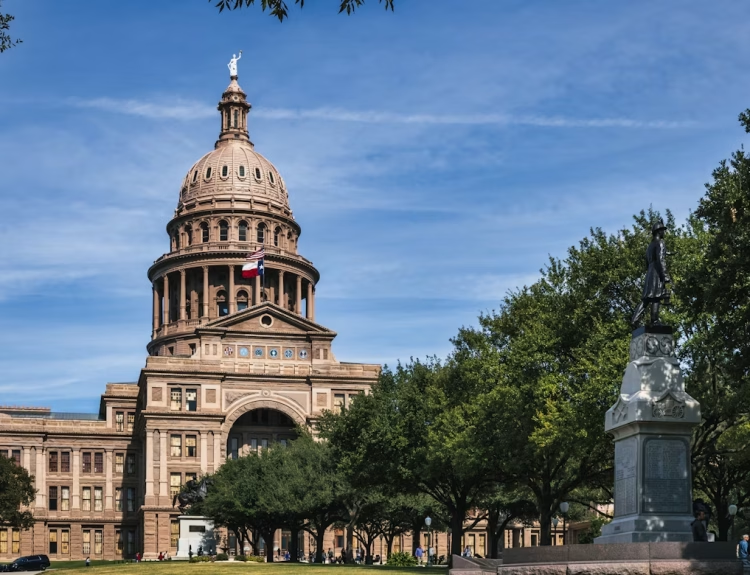
Political polarization has become one of the most pressing challenges in global governance. The widening ideological divide across societies affects electoral outcomes, weakens policymaking, and erodes trust in institutions, leading to a decline in civic engagement and political participation among citizens. In 2025, polarization is not limited to single nations—it is a transnational phenomenon shaped by social media dynamics, economic inequality, identity politics, and geopolitical rivalries that transcend borders. This divisive landscape complicates international cooperation on critical issues such as climate change, migration, and global health, making it increasingly difficult for nations to come together in pursuit of shared goals. As citizens align more closely with ideologies that represent their fears and grievances, the space for dialogue and compromise diminishes, creating an environment ripe for conflict and unrest. The consequences of such ideological entrenchment could be profound, affecting not only national discourse but also the very fabric of global order in the years to come.
Policymakers, academics, and business leaders now view polarization as a structural risk to stability, comparable to climate change or cybersecurity. This article examines the drivers of political polarization, its impacts on governance and society, and strategies to mitigate it.
Key Drivers of Political Polarization
1. Media Fragmentation
- Traditional media once acted as a common source of information. Today, audiences consume highly segmented content.
- The rise of partisan outlets and algorithm-driven feeds intensifies echo chambers.
- Studies show that exposure to ideologically consistent news increases hostility toward opposing groups.
- The increase in online platforms allows for the easy spread of misinformation and disinformation.
- Individuals often seek out sources that reinforce their beliefs, further polarizing public opinion.
- Social media algorithms prioritize engagement, often promoting sensationalized content over factual reporting.
- This shift in media consumption has led to a decline in trust in traditional news outlets.
- Cross-platform discussions can sometimes lead to constructive engagement, but often result in confrontation.
2. Social Media Algorithms
- Platforms like X, Facebook, and TikTok amplify sensational content to maximize engagement.
- Algorithms often reward outrage and conspiracy theories, accelerating radicalization.
- Social media has blurred the line between fact-based reporting and misinformation, fostering distrust.
- Users are often drawn to content that confirms their biases, leading to echo chambers.
- Viral trends can spread misleading information rapidly before fact-checking occurs.
- Engagement metrics are prioritized over the accuracy of the information published.
- Emotional responses are often triggered by provocative headlines, encouraging sharing without verification.
- The anonymity provided by social media allows for the proliferation of harmful narratives.
- Celebrity endorsements can lend credibility to false claims, complicating public perception.

3. Economic Inequality
- Income disparities deepen political divides as groups support leaders promising protection of their economic interests.
- Working-class voters often gravitate toward populist rhetoric, while elites defend globalization.
- In democracies, this gap fuels resentment against institutions perceived as favoring privileged groups.
- Economic inequality creates an environment where misinformation can flourish, leading to further division.
- Those affected by economic downturns may become disillusioned with traditional political parties.
- Community leaders often rise to prominence by addressing local economic grievances.
- Social media amplifies voices that align with populist messages, widening the divide.
- Education disparities correlate with differing political ideologies, affecting voting behaviors.
- As income inequality grows, so does the appeal of radical political movements.
- The wealthy may fund campaigns that benefit their interests, further skewing political representation.
4. Identity Politics
- Ethnic, religious, and cultural identities are increasingly mobilized for political gain.
- Polarization intensifies when parties align closely with specific identity groups.
- This dynamic reduces incentives for compromise, as politics becomes a zero-sum competition.
- Identity politics can create echo chambers that reinforce existing beliefs.
- Candidates may exploit grievances related to identity to galvanize support.
- Increased identity focus may lead to neglect of broader, unifying issues.
- In highly polarized environments, voter turnout can become heavily skewed by identity alignment.
- The media often plays a role in amplifying identity-based narratives.
5. Geopolitical Rivalries
- Polarization is influenced by external actors through disinformation campaigns and cyber operations.
- Russia, China, and other states use digital tools to amplify divisions in rival democracies.
- The weaponization of information has become a central element of hybrid warfare.
- Social media platforms are exploited to spread misinformation and enhance polarization.
- Targeting specific demographics with tailored narratives can deepen societal divides.
- Media literacy and critical thinking are essential in combating disinformation.
Impacts of Political Polarization
1. Erosion of Democratic Institutions
- Polarization reduces bipartisan cooperation, leading to legislative gridlock.
- Countries such as the US face repeated budgetary and judicial battles due to partisan divides.
- Judicial independence and election integrity are increasingly politicized.
- Increased partisanship fosters an environment of mistrust among citizens.
- Media outlets often exacerbate divisions by catering to specific political views.
- The rise of social media amplifies extreme viewpoints and fuel divisions.
- Political affiliations often determine perceptions of social issues and policies.
- Voter turnout can be affected by contentious partisan rhetoric and strategies.
2. Declining Public Trust
- Polarized societies see falling trust in parliaments, courts, and media.
- Voters often view institutions as serving partisan rather than national interests.
- Trust deficits weaken compliance with government policies, including during crises.
- Increased polarization can lead to a fragmented public discourse, hindering constructive dialogue.
- Citizens may become disillusioned with the democratic process, reducing voter turnout.
- Mistrust in institutions can result in the rise of populist movements that challenge traditional governance.
- Social media exacerbates polarization by creating echo chambers that reinforce biases.
- Negative campaigning and misinformation further erode public confidence in democracy.
3. Policy Instability
- Polarized governments reverse policies when power shifts.
- Examples include climate policies in the US, where changes in administration lead to frequent rollbacks.
- Businesses face uncertainty, deterring long-term investment.
- Social programs are often re-evaluated and altered based on party ideologies.
- Tax regulations may see significant modifications with new leadership.
- Healthcare policies are frequently subject to change across administrations.
- Environmental regulations can shift dramatically, impacting compliance costs for businesses.
- Trade agreements may be renegotiated, affecting international relations and economy.
4. Social Fragmentation
- Polarization contributes to violence, protests, and unrest.
- In extreme cases, such as Brazil and the US, contested elections have triggered riots.
- Civil discourse erodes, making consensus nearly impossible.
- Misinformation spreads rapidly, influencing public opinion.
- Social media amplifies divisive narratives and echo chambers.
- Trust in institutions diminishes, leading to increased cynicism.
- Individuals become more isolated in their beliefs, further entrenching divisions.
- Political violence becomes more common as fringe groups gain traction.
5. Geopolitical Consequences
- Divided governments struggle to present coherent foreign policies.
- Polarization limits the ability to respond to external threats with unified strategies.
- Adversaries exploit these divisions to weaken global alliances.
- Legislative gridlock hampers timely decision-making on international issues.
- Public opinion can sway foreign policy decisions, complicating unity.
- Competing party interests often prioritize domestic issues over global concerns.
- Communication breakdowns between branches of government can lead to inconsistent positions.
- Increased media scrutiny can amplify divisions and hinder collaborative responses.
Strategies for Addressing Political Polarization
1. Electoral Reforms
- Implement ranked-choice voting to reduce zero-sum competition.
- Strengthen independent electoral commissions to ensure fairness.
- Encourage multiparty systems that dilute binary divides.
- Promote transparency in campaign financing to reduce corruption.
- Foster greater voter engagement through education and outreach.
- Establish automatic voter registration to increase participation.
- Implement proportional representation to reflect diverse viewpoints.
- Create independent bodies to oversee redistricting processes.
2. Media and Information Regulation
- Promote transparency in social media algorithms.
- Introduce stricter penalties for misinformation campaigns.
- Support fact-checking initiatives and digital literacy programs.
- Encourage collaboration between tech companies and governments to address misinformation.
- Develop educational resources for critical thinking and media consumption.
- Increase funding for independent media outlets to provide reliable information.
- Advocate for the regulation of targeted advertising practices on social media.
- Implement user-friendly reporting mechanisms for false information.
3. Civic Education
- Expand programs that teach critical thinking and democratic values.
- Encourage exposure to diverse viewpoints at schools and universities.
- Use civic dialogue initiatives to bridge ideological divides.
- Promote service-learning opportunities that connect education with community engagement.
- Foster partnerships between schools and local organizations to provide diverse learning experiences.
- Organize workshops for educators focused on teaching critical and analytical skills.
- Support policies that require inclusive curriculums reflecting various perspectives.
- Create platforms for student-led discussions and debates on contemporary issues.
4. Economic Inclusion Policies
- Reduce inequality through progressive taxation, social safety nets, and education access.
- Address regional disparities that fuel populist anger.
- Support workforce development in communities disrupted by globalization.
- Invest in affordable housing initiatives to tackle homelessness.
- Promote universal healthcare to ensure everyone has access to medical services.
- Strengthen labor rights to improve working conditions and job security.
- Enhance public transportation to connect underserved communities with job opportunities.
- Foster inclusive economic policies that prioritize marginalized groups.
- Encourage community engagement to increase civic participation and empowerment.
5. Strengthening Institutions
- Safeguard judicial independence through constitutional protections.
- Ensure free and fair media access across political groups.
- Build coalitions across party lines to address urgent national issues.
- Promote transparency in government operations.
- Foster civic education and engagement among citizens.
- Encourage accountability for elected officials.
- Support initiatives that enhance public trust in institutions.
- Work towards equitable representation in legislative bodies.
6. Cross-Party Dialogue Platforms
- Encourage structured forums for civil debate among opposing groups.
- NGOs and think tanks can act as mediators between polarized communities.
- Evidence shows that regular intergroup contact reduces hostility.
7. Global Cooperation Against Disinformation
- Establish multilateral agreements to counter cyber interference in elections.
- Share intelligence among democracies on digital influence campaigns.
- Invest in AI-driven tools to detect and neutralize foreign disinformation.
Case Studies
United States
- Polarization has reached historic levels, with bipartisan legislation becoming rare.
- The 2020 and 2024 elections demonstrated the fragility of institutional trust.
- Social media misinformation continues to drive partisan hostility.
European Union
- Populist movements in Hungary, Italy, and Poland show how polarization challenges EU unity.
- Migration policies remain a key dividing issue.
- EU initiatives on digital regulation aim to reduce divisive disinformation.
India
- Growing polarization around religious and cultural identities shapes electoral outcomes.
- Social media campaigns often reinforce divides.
- Despite polarization, democratic participation remains robust, with high voter turnout.
Brazil
- Former President Jair Bolsonaro’s contested election results in 2022 triggered large-scale unrest.
- Polarization continues to influence Brazil’s environmental and economic policies.
Policy Recommendations for 2025 and Beyond
- Adopt hybrid governance models that blend digital regulation with civic education.
- Enhance transparency in policymaking to reduce public distrust.
- Encourage youth participation in politics to diversify leadership and reduce generational divides.
- Build resilience against disinformation by combining state and private-sector efforts.
- Foster international collaboration to address polarization as a global challenge, not just a national issue.
Conclusion
Political polarization is no longer a passing trend but a defining feature of 21st-century governance. Left unchecked, it threatens institutional stability, economic growth, and global security. Addressing polarization requires structural reforms, stronger institutions, civic education, and international cooperation.
By adopting evidence-based strategies, societies can rebuild trust, improve democratic resilience, and create the conditions for sustainable governance. Policymakers and leaders must treat polarization as a systemic risk that demands coordinated solutions across political, social, and technological domains.
Sources
- https://weforum.org
- https://brookings.edu
- https://csis.org
- https://foreignpolicy.com
- https://oecd.org
- https://carnegieendowment.org
About The Author